Find the right cooking class in San Miguel de Allende fast: whether you want a market‑to‑table half‑day, a full hands‑on day, or a multi‑day professional course, this page compares the options and shows how to book.
If you prefer tasting-focused walking experiences, see our culinary tours overview for related options early in your trip: Culinary tours in San Miguel de Allende.
Which Class Should You Pick? (Decision Table)
| Class type | Best for | Typical price (USD) | Language | How to book |
|---|---|---|---|---|
| Half‑day workshop (3–4 hrs) | Tourists, first‑timers, food lovers | US$35–75 | English/Spanish (often bilingual) | Reserve online or same‑day at school |
| Full‑day hands‑on (6–8 hrs) | Enthusiasts who want market visits + several recipes | US$85–160 | English/Spanish | Prebook (popular weekends) |
| Multi‑day / professional | Aspiring chefs, career changers | US$500–3,000+ (varies) | Often bilingual or Spanish | Apply in advance; limited seats |
| Specialty workshops (pastry, mole, vegetarian) | Hobbyists or theme‑seekers | US$50–200 | English/Spanish | Book ahead—small class sizes |
How To Choose The Right Class For Your Trip
Match Length With Goals
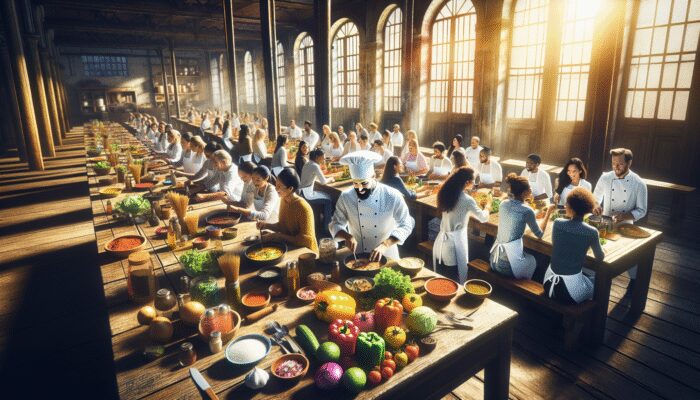
If you have a single morning, pick a half‑day workshop that includes a market visit and 2–3 dishes. If you want to take home replicable technique and tasting notes, choose a full‑day class. Reserve multi‑day courses only when you can commit time and want mentorship or certification.
Check Language & Dietary Support
Most classes run in English and Spanish or are bilingual. Confirm vegan/vegetarian or allergy accommodations when booking—small kitchens adapt but need advance notice.
Look For Hands‑on, Small Classes
The best learning comes from hands‑on sessions with 6–12 students. Ask about student:instructor ratio and whether you cook every dish or just observe.
Typical Class Formats And What You’ll Learn
Decision Cards: Who These Classes Are For
Pick a half‑day or specialty workshop. Expect about 3 hours, market time, and an opportunity to sit down and eat what you cook.
Choose a full‑day class that teaches technique (knife, sauces, doughs) and includes recipes and tasting notes you can reproduce at home.
Enroll in multi‑day or accredited programs; seats are limited and often require advance application. Expect mentoring, more technique hours, and deeper kitchen management content.
Practical Booking & Timing Guidance
| When To Go | Late fall to early spring for cool, dry weather and abundant markets; shoulder seasons (Apr–May, Sept–Oct) have fewer crowds. |
| When To Book | Half‑day: 3–14 days ahead (can be same‑week). Full‑day & specialty: 2–6 weeks. Multi‑day/pro: 1–3 months. |
| Payment & Cancellation | Most schools accept card or cash; smaller artisan workshops may require cash or bank transfer. Read cancellation rules—many hold a partial deposit. |
What To Expect In Class: Skills And Techniques
- Knife skills and mise en place
- Tortilla‑making on a comal
- Classic sauce and mole preparation
- Stewing, braising, and searing methods
- Pastry basics for breads and traditional sweets
- Plating and flavor balancing
Dietary Needs, Language, And Accessibility
Schools are used to tourists and generally offer bilingual instruction or translation on request. For dietary restrictions (gluten‑free, vegan, allergies) ask at booking—many instructors will adapt recipes but need at least 48–72 hours’ notice. Accessibility varies; ask about kitchen layout and whether they can accommodate mobility needs.
Booking: Trusted Next Steps And Contact Options
If you want help matching class dates with your trip dates or prefer a local booking agent, contact the site team via the site contact form and request cooking class assistance.
Pair a cooking class with a drink or tasting: our tequila tours page outlines nearby distillery experiences if you want a full culinary day.
Common Booking Questions And Sample Refund Language To Expect
Most schools require either full payment or a deposit to hold your spot. Expect a refund policy similar to:
- Full refund if canceled 7+ days before class.
- 50% refund if canceled 48–7 hours before class.
- No refund for no‑shows; rescheduling may be possible subject to availability.
School Selection Checklist (Printable)
- Class length matches your schedule
- Hands‑on time ≥ 60% of class
- Maximum 12 students (smaller is better)
- Language support confirmed
- Dietary needs acknowledged in writing
- Clear payment & cancellation policy
Quick Directory — Common Class Packages (No Specific Business Names)
Local inventory changes often. Rather than listing individual providers (websites or phone numbers change), use this set of standardized class packages to compare offers when you contact a school or booking service.
Where To Read More And Related Pages
For recipes and background on the dishes you’ll often cook in class, see our guide to traditional dishes of San Miguel de Allende. If you’re planning a day trip that pairs food with local sights, our Guanajuato travel guide is useful for timing multi‑city itineraries.
Faqs (Short And Useful)
Do Schools Cater For Vegetarians Or Allergies?
Can I Bring Children?
Are Recipes Provided?
What Should I Bring?
Final Decision & Booking Call To Action
Ready To Book? If you want a quick recommendation: choose a full‑day class for the best balance of technique and culture; choose a market half‑day if you only have a morning.
See also: Traditional dishes, Culinary tours, and Coffee culture.
Updated: June 2026. For live schedules, prices, and to confirm language or dietary accommodations, contact the provider or use the site contact form.

Jasper Lennox is an insightful author and dedicated chronicler of the vibrant culture and history of San Miguel de Allende. With a passion for exploring its rich tapestry of art, architecture, and community, he crafts engaging narratives that showcase the charm and allure of this enchanting Mexican town. Through his writing, Jasper invites readers to discover the unique stories and experiences that make San Miguel a beloved destination for travelers and locals alike.
San Miguel de Allende’s culinary scene really is something special! I love that these cooking schools not only teach techniques but also immerse students in the local culture and traditions. It’s fascinating how food reflects a place’s history and community. I remember taking a class on mole once, and it was eye-opening to see how each ingredient tells a story of the region.
Your exploration of the cooking schools in San Miguel de Allende highlights an intriguing aspect of culinary education that often goes unrecognized in larger urban settings. I find it particularly compelling that these schools serve not just as places for basic skill acquisition, but as vibrant cultural hubs that reflect the rich gastronomy of Mexico. The integration of traditional cooking methods with modern techniques can create a unique educational experience that honors the past while embracing innovation.
You’ve captured something crucial about the culinary scene in San Miguel de Allende. These schools do really shine in their ability to blend tradition with modern techniques. It’s fascinating to see how they create a space for not just skill development, but for community engagement as well. Each class feels like a gathering of friends from different backgrounds, all sharing stories and experiences while learning how to prepare dishes that have been passed down through generations.
I truly appreciate your insights into the vibrancy of cooking schools in San Miguel de Allende. It’s fascinating to see how these institutions merge traditional and modern techniques, reflecting the rich culinary tapestry of the region.
I really appreciate your insights into the culinary education scene in San Miguel de Allende. It’s fascinating how these cooking schools not only teach techniques but also serve as cultural hubs, bridging the rich culinary traditions of Mexico with modern practices. As someone who loves to cook, I’ve often found that the environment can significantly impact learning.
This article beautifully highlights the unique culinary scene in San Miguel de Allende. As someone who has taken a cooking class there, I can personally attest to the value of hands-on learning in such a culturally rich environment. The combination of traditional techniques with modern culinary trends creates a fascinating fusion that not only enhances cooking skills but also deepens one’s appreciation for local ingredients.
I love how San Miguel de Allende is becoming a hub for culinary arts! It’s fascinating to see a blend of traditional techniques and modern twists in the cooking schools. I’ve always believed that food is such a great way to connect with culture—each recipe tells a story. Have you tried any cooking classes there yourself? I’m curious if any specific dishes from the local cuisine stood out to you. Dishes like mole or tamales can be so intricate, and learning to prepare them must be an amazing experience. It’s also interesting to think about how these schools are shaping the next generation of chefs. Do you think more people might explore culinary careers because of the exposure they get in places like this?
I found your exploration of cooking schools in San Miguel de Allende to be both enlightening and inspiring. The culinary scene there is a fascinating fusion of tradition and innovation, and it seems that these cooking schools are at the heart of it, nurturing a new generation of chefs who appreciate both the rich heritage of Mexican cuisine and modern culinary techniques.
The culinary scene in San Miguel de Allende truly reflects the rich cultural tapestry of Mexico, blending tradition with modernity in such a fascinating way. As someone who has always appreciated the art of cooking, I find it inspiring that these schools not only teach techniques but also emphasize the cultural significance behind each dish.
I found your exploration of the cooking schools in San Miguel de Allende truly captivating! It’s interesting to see how places like San Miguel, with its rich cultural backdrop, can cultivate such a dynamic culinary scene. The blend of traditional Mexican cooking techniques with modern approaches is something that not only enhances skill sets but also immerses one in the local culture.
It’s great to hear your thoughts on the cooking schools in San Miguel de Allende! You’ve really touched on something important—the unique blend of tradition and innovation that defines the culinary scene there. This city isn’t just a feast for the eyes and ears; it invites everyone to experience its flavors in such a personal way.