
San Miguel de Allende’s food is where colonial, indigenous and regional Guanajuato flavors meet: think complex moles, slow-cooked carnitas, festive tamales and market-fresh chiles. If you prefer guided tastings, consider joining a culinary tour to sample the highlights with local context.
- Mole — rich multisourced sauce (chiles, spices, sometimes chocolate) often served over chicken.
- Carnitas — pork slow-cooked until tender then crisped; perfect in fresh tortillas.
- Tamales — masa parcels filled with meats, cheeses or sweet fillings and steamed in corn husks.
- Pozole — hominy stew, hearty and celebratory, usually topped with cabbage, radish and lime.
- Enchiladas Mineras — regional enchiladas with a miner’s history, savory and bright.
- Chiles En Nogada — seasonal, stuffed chiles topped with walnut sauce and pomegranate (Patriotic favorite).
- Flan & Churros — classic desserts; flan for celebrations, churros for street-snack joy.
- Foodie Follow the mole trail and ask for family recipes; book a cooking class to learn techniques.
- Vegetarian Seek market stalls and vegetarian-friendly tortas, enchiladas and soups—look for seasonal produce.
- Short On Time Try carnitas, tamales and an agua fresca at a local market; see our best restaurant picks here.
Why These Dishes Matter
The food of San Miguel de Allende tells local history: corn and beans connect to pre-Hispanic diets, Spanish ingredients like dairy and wheat added new forms, and trade introduced spices and techniques that shaped today’s plates. Family recipes and town festivals keep those stories alive.
Top 10 Traditional Dishes (With Where To Try Them)
- Mole — complex and celebratory; seek family-run kitchens and festival tables (try at traditional restaurants; see our picks here).
- Carnitas — market morning specialty, best with tortillas and salsas.
- Tamales — available year-round but especially prominent at holidays; check local markets.
- Pozole — often served at community celebrations and restaurants that focus on traditional stews.
- Enchiladas Mineras — a regional favorite with a miner’s origin story; try at family eateries.
- Chiles En Nogada — seasonal (late summer–early autumn) and tied to patriotic celebrations.
- Gorditas & Sopes — quick, filling street-food versions of masa-based favorites.
- Queso & Crema Dishes — local cheeses and creams lift simple tostadas and soups.
- Street Tacos — from slow-cooked stews to grilled fillings; always worth sampling.
- Flan & Churros — classic desserts to finish a meal or enjoy from street vendors.
History, Preservation And Community
Where The Recipes Come From
San Miguel’s cuisine evolved through indigenous practices, Spanish colonial ingredients, and regional trade. That layering produced the mole family of sauces, meat-preservation techniques and the masa-based staples you’ll see everywhere. Families and local festivals are the living archive: recipes pass across generations and change subtly with each household.
How Traditions Are Protected
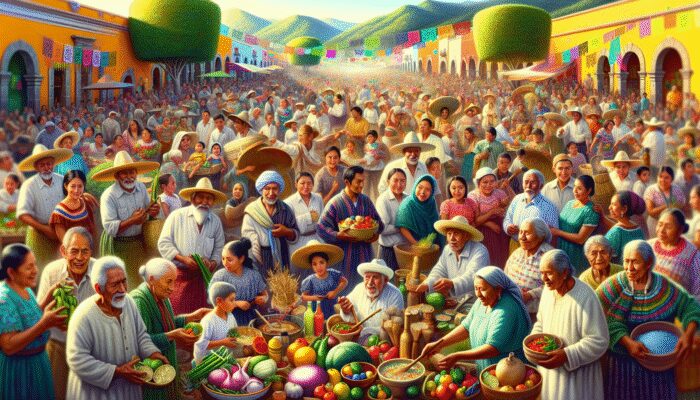
Local cooking schools, community festivals and market vendors are the backbone of culinary preservation. Attending a class or festival is both a way to learn techniques and to support the small producers who keep ingredients and methods authentic.
Ingredients, Seasons And Markets
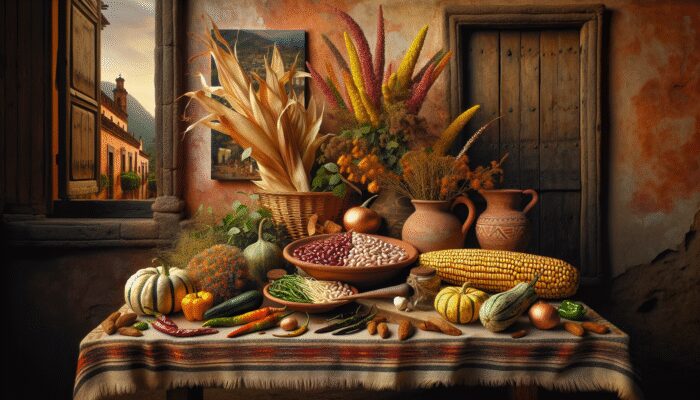
Staples like corn, beans, chiles and squash anchor daily cooking; spices such as cumin and oregano add regional flavor; fresh herbs like cilantro brighten salsas. Seasonal availability shapes menus—summer yields fresh chiles and tomatoes, autumn brings squashes and festival dishes like chiles en nogada.
A Short Decision Table: Where To Focus Your Tasting
| Type | Examples | Where & when |
|---|---|---|
| Local favorites | Carnitas, mole, enchiladas mineras | Markets & family restaurants; mornings for carnitas, evenings for mole. |
| Vegetarian options | Tamales vegetarianos, squash stews, bean-based plates | Market stalls and vegetarian-friendly restaurants; ask vendors about seasonal produce. |
| Festival-only / seasonal | Chiles en nogada, holiday tamales, festival sweets | Late summer–autumn for chiles en nogada; book ahead during major festivals. |
Timing & Booking: When To Visit And When To Book
Best months: October–April for cooler weather, open markets and many festivals; late summer–early autumn for seasonal chiles en nogada. If your trip targets a festival, book restaurants, tours and cooking classes 6–12 weeks ahead; otherwise 2–4 weeks is usually enough for classes and restaurants.
| Season | Notes |
| Oct–Apr | Best weather, many restaurants and markets fully active. |
| Jul–Sep | Warm, rainy season; seasonal produce available—book ahead for festivals. |
Practical Checklist For First-Time Tasters
- Start with a market visit: try carnitas and an agua fresca to get a sense of local ingredients.
- Sample mole at a family-run restaurant rather than the most touristy spot.
- Ask vendors for recommendations—locals will point you to the best versions.
- If vegetarian, ask for vegetable or cheese tamales and seasonal squash dishes.
- Bring small bills for market vendors and street food stalls.
- Book a cooking class if you want hands-on techniques for mole, tamales or salsas (see local classes).
Where Locals Eat And How To Choose A Place
Locals favor family-run fondas, market stalls and small taquerías over flashy tourist restaurants. Look for simple menus, midday crowds, and cooks who prepare sauces and masa by hand. For curated restaurant picks and neighborhood suggestions, see our roundup of top dining picks.
Tasting Experiences And Next Steps
If you want context with your plate—history, technique and fast access to the best versions—consider a guided option. Join a small-group culinary tour for market stops and tastings, or book a longer hands-on session at a local cooking school to learn family techniques. For a simple guide to neighborhood dining and drinks, visit our dining and drinks page.
Book a guided tasting or class to save time and connect with local cooks: small-group culinary tours and hands-on cooking schools are the fastest way to learn where the city’s flavors come from.
Faqs — Quick Answers To Common Questions
What Food Is San Miguel De Allende Known For?
Mole, carnitas, tamales and regional enchiladas are the most iconic dishes, reflecting indigenous staples and colonial-era additions.
Where Do Locals Eat?
Locals favor family-run fondas, market stalls and small taquerías; ask vendors for their recommendations or follow midday crowds for the best spots.
Are There Good Vegetarian Options?
Yes—markets and many restaurants offer vegetable tamales, squash and bean-based dishes; specify ‘sin carne’ and vendors will point out seasonal choices.
What Is The Most Popular Dish In Guanajuato?
Regional favourites include enchiladas mineras and carnitas; San Miguel’s restaurants often highlight both alongside moles and pozole.
See also: food & drink for recipes, bakery features and festival food guides.

Clara Beaumont is a distinguished author and cultural enthusiast based in San Miguel de Allende. With a passion for exploring the diverse aspects of this vibrant city, she writes engaging pieces that illuminate its history, art, and community. Clara’s work aims to inspire both residents and visitors, fostering a deeper appreciation for the unique charm and rich stories that San Miguel de Allende has to offer.
The exploration of San Miguel de Allende’s culinary heritage truly resonates with me, as it illustrates how food is not just nourishment but a living history that binds communities together. The intricate blend of indigenous practices and Spanish colonial influences showcases a remarkable culinary evolution, shaping the identity of this vibrant region.
I love how you’ve highlighted the rich tapestry of San Miguel de Allende’s cuisine! It’s fascinating to see how the indigenous culinary practices, combined with Spanish influences, have created such a unique gastronomic identity. I remember trying mole for the first time there, and the complexity of flavors was a revelation—not to mention the way it pays homage to both local ingredients and historical traditions.
It’s great to hear about your experience with mole in San Miguel de Allende. The layers of flavor in mole really do tell a story, don’t they? Each bite feels like a connection to the history and the people who created it. The blend of spices, chocolate, and local ingredients showcases the ingenuity of the culture, merging indigenous practices with colonial influences.
It’s fascinating to consider how the culinary traditions of San Miguel de Allende are not just about food, but rather a reflection of the city’s historical layers and cultural identity. The blend of indigenous ingredients with Spanish techniques not only creates unique flavors but also tells a story of resilience and adaptation. For instance, dishes like enchiladas or tamales have such deep roots that they can vary widely by region—but in San Miguel, they carry that local essence that showcases the area’s agricultural bounty.
I really appreciate how you highlight the rich culinary heritage of San Miguel de Allende! It’s fascinating to see how the intersection of indigenous practices and Spanish influences has shaped the region’s unique dishes. There’s something truly special about food that tells a story, isn’t there? Each bite seems to carry the weight of history and the flavors of the land.
I really love how you’ve captured the essence of San Miguel de Allende’s culinary scene. It’s fascinating to think about how the blending of indigenous ingredients and Spanish cooking techniques has created such a unique food culture. When I visited, I was particularly taken by the way local markets showcased not just ingredients but also the stories that come with them.
Your exploration of San Miguel de Allende’s culinary heritage really shines a light on how food can serve as a gateway to understanding cultural intersections. The interplay between indigenous practices and Spanish influences is particularly fascinating, especially when you consider how these dynamics have evolved over time amid global trends.
Your exploration of the culinary heritage of San Miguel de Allende brings to light a topic that is often underappreciated in discussions about culture and identity. The way you describe the intertwining of indigenous practices and Spanish influences highlights a crucial aspect of why food is so much more than mere sustenance—it’s a narrative of a place and its people.
It’s fascinating to see how the culinary traditions of San Miguel de Allende reflect such a deep and intricate history. The blend of indigenous practices with Spanish influences not only creates unique dishes but also tells the story of the region’s cultural evolution.
You’re spot on about the culinary traditions in San Miguel de Allende. The way indigenous practices intertwine with Spanish influences really tells a powerful story of adaptation and resilience. It’s intriguing to think about how each dish on the table carries with it generations of cultural influence, blending local ingredients with techniques brought by colonizers.
It’s really fascinating how food can be such a powerful vehicle for storytelling, isn’t it? The culinary traditions of San Miguel de Allende are a beautiful example of how cultural exchange can result in something truly unique. I’ve found that these dishes not only nourish us physically but also connect us to history and community.
The culinary evolution you describe truly highlights how food can serve as a living history of a region. I’ve always been fascinated by how traditional dishes not only reflect a community’s cultural roots but also adapt over time to embrace new influences.
I love how you highlight the fusion of indigenous and Spanish influences in San Miguel de Allende’s cuisine. It’s fascinating to think about how these traditional dishes not only tell a story of the region but also reflect the resilience and creativity of its people. I remember trying some local tamales during my visit, and each bite felt like a connection to the past—there’s something deeply satisfying about food having such rich history. Have you explored any specific dishes that stand out for their cultural significance? I’d be curious to know which ones you think are must-tries for anyone visiting!
It’s fascinating how food can tell such deep stories about a place and its people. San Miguel de Allende’s culinary scene really reflects the blend of indigenous and Spanish influences. I recently tried a dish called “mole” made with local ingredients, and it really struck me how each layer of flavor felt connected to the region’s history. It’s a reminder of how food is not just sustenance but a way to preserve culture. How do you think modern chefs in San Miguel are incorporating these traditional elements while adding their own twist? It would be interesting to see how they maintain that balance!
I truly appreciate this exploration into the culinary landscape of San Miguel de Allende. It’s fascinating how food not only nourishes us but also tells such rich stories about a place’s history and culture. The way you highlighted the fusion of indigenous practices with the influences from Spanish colonization provides such a perfect lens through which to appreciate the city’s traditional dishes. It’s a reminder of how much our food choices are shaped by history.