
San Miguel de Allende’s food scene mixes century-old recipes, bustling markets and rising rooftop cocktail culture—this page distills the best picks and points you to the full, updated dining guide.
For more detail, see our Restaurants In San Miguel De Allende: Top Picks By Occasion & Budget.
For the complete listings, maps and reservations, start with the main guide: Where to eat in San Miguel de Allende (full guide).
Quick Decision Box
Choose one route depending on your mood and time in town:
- Budget & Local Flavor Market stalls & street tacos (Mercado Ignacio Ramírez and Plaza vendors).
- Views & Sunsets Rooftop bars — see our focused list: Best rooftop bars 2025.
- Vegan / Gf Options Specialty cafes and spots with clear menus—ask for vegan/ gluten-free symbols or check the main guide for vetted menus.
- Time To Book Reserve rooftop dinners and popular weekend brunches 7–14 days ahead during high season (Nov–Mar, major festivals).
| Need | Top picks | When to go / Book |
|---|---|---|
| Budget & street food | Mercado Ignacio Ramírez, Plaza taco stands, elotes vendors | Lunchtime or early evening; come hungry and bring cash |
| Rooftop views & cocktails | The Rooftop, Terraza de La Casa, Hotel Real de Minas | Sunset seating—reserve 7–10 days in high season |
| Vegan / Gluten-free | Bovine (vegan menu), Café Rama (GF options) | Weekdays are quieter; no need to prebook for lunch |
Markets And Street Food: Fastest Way To Local Flavor
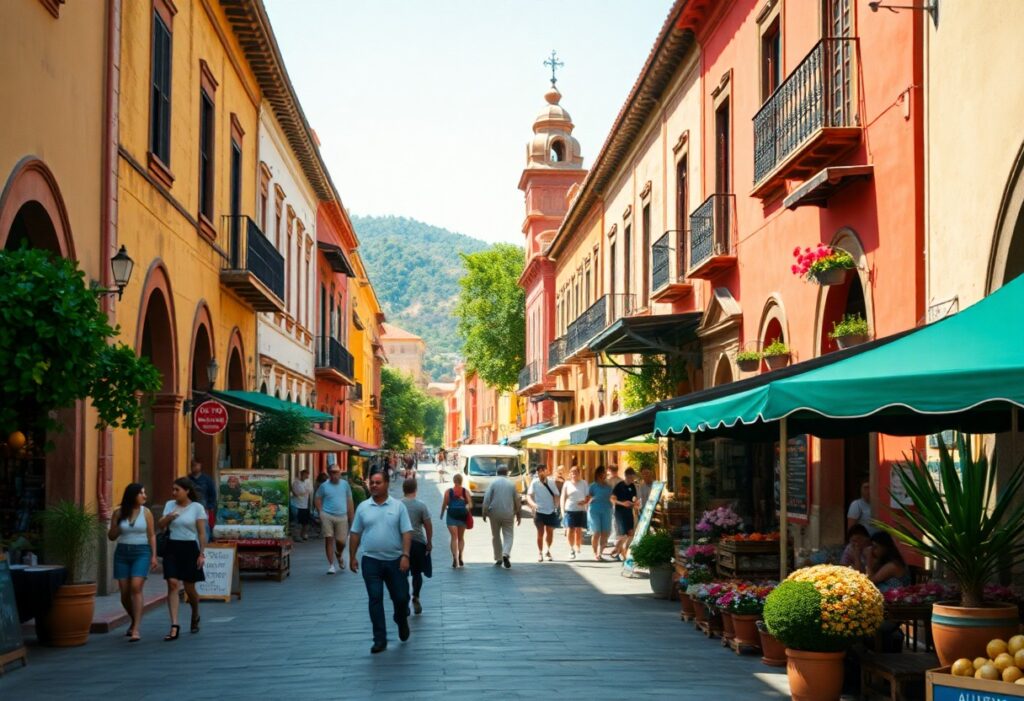
Start at Mercado Ignacio Ramírez for fresh produce, salsas and breakfast staples—then follow the stalls. Street tacos, tamales and gorditas are inexpensive, abundant and the best way to taste traditional recipes. For a compact walking sample, pair a market visit with a plaza taco crawl and finish with a churro or fresh fruit juice.

Rooftop Bars & Cafés With A View
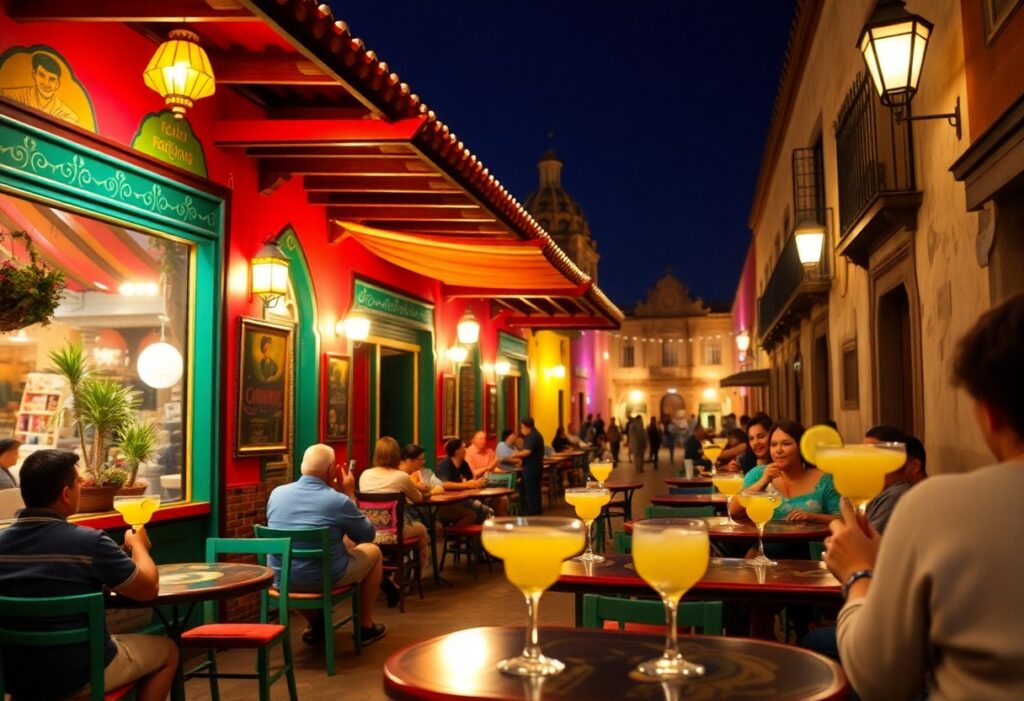
Rooftop terraces are as much about the view as the cocktail list. For an up-to-date shortlist and notes on sunset timings, see our dedicated roundup: San Miguel’s best rooftop bars. Aim to book a table for 30–60 minutes before sunset; many venues tighten seating during festival weekends.

Cooking Classes And Food Tours
If you want context with every bite, join a market-to-kitchen cooking class or a guided food tour. Tours usually include tastings at small family-run eateries and stop at neighborhood markets; classes typically include a market visit, hands-on prep and a shared meal. Book popular providers a week in advance during high season; small-group classes fill fast on weekends.
Must-Try Dishes And Seasonality
Don’t leave without sampling enchiladas mineras, mole, gorditas de chicharrón and seasonal specialties such as wild mushrooms in fall or fresh asparagus in spring. Tamales are a year-round breakfast staple; try versions wrapped in banana leaves when offered. Seasonal menus rotate—ask servers what’s fresh that day for the best, local experience.

Practical Tips: Bookings, Budgets And Water Safety
- When To Go High season (Nov–Mar) brings cooler weather and festivals—expect higher prices and busier restaurants. Shoulder months (Apr–May, Sep–Oct) balance weather and crowds.
- When To Book Reserve popular rooftop dinners and fine-dining nights 7–14 days in advance during high season; casual cafés and markets rarely need reservations.
- Budget Guide Street meals and market stalls are the best value; mid-range restaurants run moderate prices; upscale tasting menus and rooftop dinners are the splurge items.
- Water Safety Tap water is generally not recommended—opt for bottled or filtered water and avoid ice unless you know it’s from a safe source (see our safety note: Drinking water safety in San Miguel de Allende).
Where To Stay To Be Close To The Best Eating
Centro and neighborhoods near El Jardín put you within easy walking distance of markets, street food and many rooftop terraces. If you want quieter mornings and quick access to larger restaurants, check the neighborhoods and hotel guide: Neighborhoods and hotels guide.
Quick FAQ
Is Tap Water Safe To Drink?
Generally no—choose bottled or restaurant-filtered water and avoid ice of unknown origin. See full guidance in our water safety page: Drinking Water Safety.
Where Are The Cheapest Good Meals?
Mercados and street vendors—look for busy stalls with local customers. Midday market visits often offer the best combination of price and freshness.
Best Rooftop For Sunset Views?
Several terraces give sweeping views of the Parroquia—see our updated rooftop guide and reserve a seat about an hour before sunset: Rooftop bars 2025.
For the full, consolidated listings, maps, and live reservation links, use the main dining guide below.
Note: this page consolidates our local recommendations into a short companion summary; the complete restaurant listings, address map and reservation notes live on the main dining guide linked above.
See also: Location & map guide • Water safety • Rooftop bars.

Ellie Thomson is an accomplished author and passionate advocate for the vibrant culture of San Miguel de Allende. Through her engaging writing, she explores a diverse range of topics that reflect the richness of life in this enchanting Mexican city. With a keen eye for detail and a deep appreciation for its history and community, Ellie shares stories that resonate with locals and travelers alike, inviting readers to discover the unique charm of San Miguel de Allende.
I love how you highlighted the vibrant food scene in San Miguel de Allende! Mercado Ignacio Ramírez is such a treasure trove for discovering local flavors. I remember trying some artisanal cheeses there that paired perfectly with fresh corn tortillas. La Fábrica’s chilaquiles are definitely a must-try; they’ve become a go-to for breakfast when I visit!
I love that you highlighted the vibrant flavors of San Miguel de Allende! The Mercado Ignacio Ramírez truly captures the heart of the city; it’s such a sensory experience. I had an unforgettable time there trying fresh tortillas and picking up some local spices to take home.
Ah, San Miguel de Allende, where even the enchiladas mineras have a charming backstory! I remember trying my first chilaquiles there, and let’s just say I nearly wept as I realized I had been living a chilaquiles-less life prior. Those vibrant salsas could probably convince me to start a morning routine.
San Miguel really does have a knack for making food feel like an experience, doesn’t it? Those enchiladas mineras are such a delight, and each bite is a little piece of history. Chilaquiles are on a different level there too—especially when you find a spot that nails the balance of crunchy tortillas, rich salsa, and just the right amount of crema. It’s almost like a culinary love letter to the morning! Have you had a chance to try them with a fried egg on top? It really takes that breakfast game to another stratosphere. That vibrant salsa can definitely turn any morning routine into something special. Do you have a favorite place for chilaquiles, or are you still on the hunt?
You’ve really captured the essence of what makes dining at San Miguel so special. Those enchiladas mineras are truly a celebration of flavors and history. It’s fascinating how food can connect us to the past and transport us to different cultures. I completely agree about the chilaquiles; there’s an art to that perfect crispiness of the tortillas combined with the salsa’s richness.
Your exploration of the culinary landscape in San Miguel de Allende resonates deeply with me, especially the emphasis on local markets like Mercado Ignacio Ramírez. There’s something truly magical about immersing oneself in the vibrant atmosphere of these markets, where the colors, sounds, and aromas come together to create a sensory feast. It’s fascinating how traditional ingredients are transformed into modern dishes, making every meal a unique experience.
Your appreciation for the local markets really captures the essence of San Miguel de Allende. Mercado Ignacio Ramírez is a gem, isn’t it? The blend of textures and flavors there feels alive, with each stall telling a story through its offerings.
San Miguel de Allende has always held a special place in my heart, especially when it comes to its culinary offerings. The vibrant energy of the Mercado Ignacio Ramírez is just irresistible. I often lose myself in the colorful stalls, inhaling the rich aromas and discovering unique ingredients that I later try to replicate back home. Your mention of the artisanal delicacies made me recall my first encounter with fresh salsa; it was a game changer in my understanding of flavors! The local vendors are so enthusiastic about their products, which really transforms grocery shopping into a cultural experience.
It’s great to hear how the Mercado Ignacio Ramírez resonates with you. Shopping there does feel like stepping into a living tapestry of flavors and stories. Those stalls don’t just sell ingredients; they reflect a deep connection to the culture and community.
It’s great to hear how much you appreciate San Miguel de Allende’s culinary scene. The Mercado Ignacio Ramírez really does encapsulate the heart of the community. Those stalls are like a treasure trove for anyone passionate about cooking. I also find it fascinating how the ingredients there can spark a whole new level of creativity in our kitchens.
If you’re as captivated by the culinary scene in San Miguel de Allende as I am, you’ll find this guide to the city’s best margaritas quite handy for your next delicious adventure.
‘Best Margaritas In San Miguel De Allende — Top Bars By Style & View (2026)’
https://fallinginlovewithsanmiguel.com/best-margaritas-in-san-miguel-de-allende/.
Your exploration of San Miguel de Allende’s culinary scene ignites memories of my own experiences in Mexico, where food transcends mere sustenance to become a vital part of cultural identity. The way you describe Mercado Ignacio Ramírez—bustling with life, colors, and the rich aromas of local ingredients—evokes the very essence of what markets should be: not just places to shop, but vibrant ecosystems of community, tradition, and creativity.
I really love how you captured the essence of dining in San Miguel de Allende! The way you described Mercado Ignacio Ramírez brought back so many memories of my own trips there. There’s something so magical about walking through those vibrant stalls, inhaling all the incredible aromas of fresh spices and home-cooked meals. I often find myself losing track of time while chatting with the vendors and sampling their homemade goodies. It’s such a fantastic way to immerse yourself in the local culture.
It’s great to hear that my description resonated with you. Mercado Ignacio Ramírez truly does have that ability to transport visitors into a rich tapestry of flavors and experiences. Walking through the market feels like stepping into the heart of San Miguel de Allende, doesn’t it? Each stall has its own story, and chatting with the vendors adds another layer to that experience. They often share personal anecdotes about their recipes or the origins of their ingredients, which can make a simple snack feel deeply connected to the local culture.
I’m so glad you enjoyed the article and could connect with those vivid memories! If you’re looking to relive those moments or plan your next culinary adventure in San Miguel de Allende, check out this link for some great tips and recommendations.
https://fallinginlovewithsanmiguel.com/photo-spots-in-san-miguel-de-allende-amazing-locations-to-capture
San Miguel de Allende has such a vibrant culinary scene! Your mention of Mercado Ignacio Ramírez brought back so many memories of my own adventures there. The atmosphere is electric, with vendors calling out and the smell of fresh tortillas wafting through the air—there’s really nothing like it.
Your exploration of San Miguel de Allende’s culinary scene truly captures the vibrant essence of this city. I love the mention of Mercado Ignacio Ramírez; there’s something so magical about wandering through those stalls, breathing in the fragrant spices and freshly prepared foods. It reminds me of a similar experience I had in Oaxaca, where every corner showcased the region’s unique flavors and traditions.
Your exploration of San Miguel de Allende’s culinary scene resonates deeply with my own experiences of traveling through Mexico. There’s something truly magical about how food transcends mere sustenance, turning each meal into an opportunity to connect with the local culture, history, and people. The mention of Mercado Ignacio Ramírez takes me back to my time spent wandering through vibrant markets, where the colors and aromas ignite the senses and remind us of the rich agricultural heritage of the region. Each vendor’s story and every dish they prepare weave a narrative that is as much about the food as it is about identity and tradition.
I really love how you’ve captured the essence of San Miguel de Allende’s culinary scene! The Mercado Ignacio Ramírez is such a treasure, isn’t it? It’s like a sensory explosion, with all those vibrant colors and enticing smells. I remember spending hours there, just chatting with vendors and sampling their homemade goods—there’s something so heartwarming about connecting with local artisans.
You’ve really hit on something special with Mercado Ignacio Ramírez. It’s not just a place to grab a bite; it’s a kind of living gallery filled with the artistry of the local community. I’ve found that the connection you make with vendors there can reveal so much about the culture. Each stall tells a story, whether it’s the woman selling her grandmother’s secret mole recipe or the young guy with innovative twists on traditional tacos.
¡Gracias por tu comentario! Si te gustaría explorar más sobre las delicias del Mercado Ignacio Ramírez y descubrir algunas recetas inspiradas en su magia, te invito a visitar este enlace.
https://fallinginlovewithsanmiguel.com/book-hotel
I’m glad you found the essence of San Miguel de Allende’s culinary scene resonant. The Mercado Ignacio Ramírez really is a unique spot. It captures the heart of the community in so many ways. Every stall tells a story—whether it’s a vendor sharing a family recipe passed down through generations, or the lively banter between locals as they pick out their ingredients for a meal.
Your post beautifully encapsulates the vibrant culinary scene of San Miguel de Allende. It’s refreshing to see both the celebration of traditional flavors and the embrace of modern interpretations that characterize the area’s gastronomy. I particularly enjoy how you highlighted the Mercado Ignacio Ramírez; it feels like a microcosm of the city’s culture, where every stall tells a story and each ingredient is infused with local heritage.