Tequila tours in San Miguel de Allende are immersive half-day or full-day experiences that combine distillery visits, guided tastings, and cultural context—expect guided tastings, behind-the-scenes production visits, and scenic agave fields.
- Guided tastings of 3–6 expressions (blanco, reposado, añejo)
- Walk-through of agave processing, cooking and distillation
- Time with a master distiller or local guide and food pairings on many tours
- Typical price range: approx. $35–$150 USD per person depending on length and inclusions
- Best time to book: 2–6 weeks ahead during high season (Nov–Apr); earlier for private groups
Linking this tequila guide to the main culinary tours hub for bookings and broader food-tour itineraries.
Decision Table — Which Tequila Experience Should You Pick?
| Type | Who it’s for | What you get |
|---|---|---|
| Self-guided tasting (city bar) | Curious beginners, short on time | Short tasting (30–60 min); limited production access; $15–$45 |
| Local small-group tour | Travelers who want context and easy logistics | Transport, visits to 1–2 distilleries, guided tastings, food pairing options; $55–$130 |
| Distillery day trip | Enthusiasts and small private groups | Full production walkthrough, extended tastings, meet producers, exclusive bottles; $120–$300+ |
If you want a broader culinary plan that includes tequila alongside food-focused walking tours and cooking classes, see the site’s culinary tours hub for combined itineraries and booking options: Complete culinary & tour options.
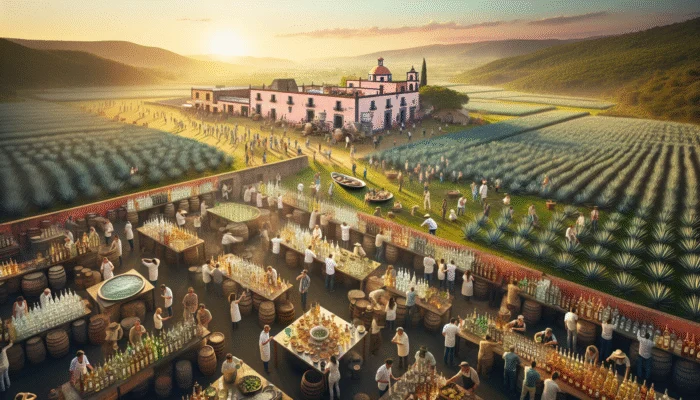
What To Expect On A Tequila Tour In San Miguel
A well-run tequila tour balances production detail and tasting: expect a short history of tequila, a walk through agave harvesting and piña cooking, a look at fermentation and distillation, and guided tastings that highlight blanco, reposado and añejo differences. Smaller, family-run distilleries tend to offer more hands-on time and stories from producers; larger operations may have more polished tasting rooms and visitor facilities.
The Production Steps You’ll See (And Why They Matter)
- Harvesting And The Piña Learn how mature blue agave is selected and why plant age affects sugar profiles.
- Cooking Pit ovens vs. autoclaves change caramelization and flavor; guides will explain trade-offs.
- Extraction And Fermentation Crushing piñas and fermenting the juice introduces yeast-driven flavor notes you’ll taste later.
- Distillation Twice-distilled tequilas concentrate flavors; guides often let you compare distillate samples.
- Aging Barrel age defines reposado, añejo and extra añejo character; expect short sessions on wood influence and barrel reuse.
These production touchpoints give context to tasting notes—why a blanco smells grassy while an añejo shows vanilla and oak. Guides who bring samples from different stages (unaged vs. aged) will help you build a palette quickly.
Choosing The Right Tour: Practical Criteria
Use these quick checks when comparing operators and listings:
- Group Size Under 12 people gives better Q&A time with distillers.
- Itinerary Transparency Look for clear schedules (how long at each distillery, included tastings and transport).
- Inclusions Food pairings, exclusive bottle options, and round-trip transport add value; check what’s included and what’s extra.
- Sustainability Claims If that matters to you, prefer tours that work with family distilleries and sustainable agave farming.
- Reviews And Local Reputation Read recent participant notes about logistics and tasting depth—these matter more than promotional copy.
For small-group options focused on food pairing or combined culinary itineraries, the site’s cooking school and group-tours pages are useful complements: Cooking classes & schools and Group tour planning.
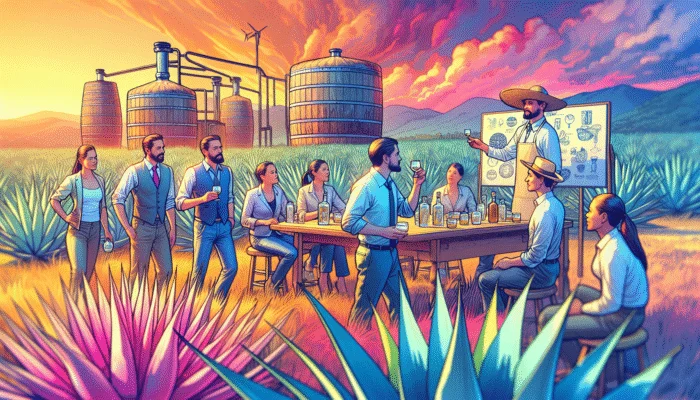
When To Go And When To Book
Timing affects crowds, cost and festival experiences.
| Season | Why it matters | Booking recommendation |
|---|---|---|
| High season (Nov–Apr) | Dry weather, more tours and festivals, higher demand | Book 2–6 weeks in advance; private tours earlier |
| Shoulder months (Oct, May) | Good balance of weather and availability | Book 1–3 weeks ahead |
| Low season (Jun–Sep) | Fewer tourists, occasional rain; smaller groups | Book 3–7 days ahead; ask about rain contingency |
If your trip coincides with the local Tequila & Mezcal festivals or other culinary events, expect premium prices and limited spots—book earlier. When in doubt, message the operator to confirm vehicle pickup points and whether tastings include bottles to purchase on site.
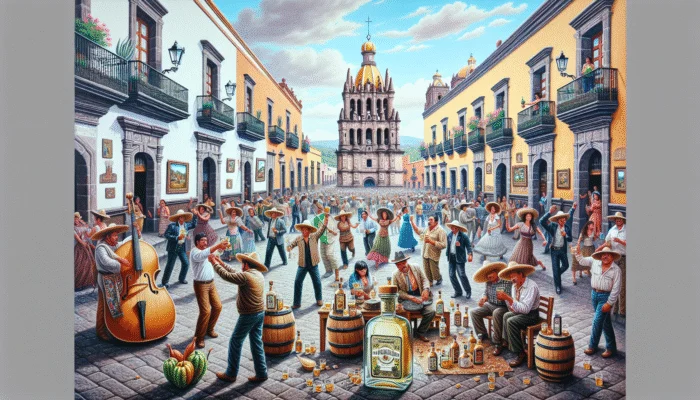
Practical Planning: What To Pack, Etiquette And Safety
Packing & Comfort
- Comfortable shoes for uneven distillery yards and agave fields; sun hat and layers (warm mornings, cool evenings).
- Reusable water bottle to stay hydrated between tastings.
- Notebook or tasting app to record favorite bottles and producer names—many unique bottles are only sold on-site.
- Light snack if you have dietary limits; some tours include pairings but not full meals.
Etiquette And Responsible Tasting
- Take small sips and pace yourself—tastings are about learning, not drinking large volumes.
- Show respect for staff and local producers; many distilleries are family projects with long histories.
- Ask questions—guides value curious participants and usually share anecdotes and production details.
Safety
- Arrange transport in advance (rideshare, driver, or included round trip) if you will be tasting; never drive after drinking.
- Tell the guide if you’re pregnant, have allergies, or avoid alcohol—most tours can accommodate non-drinkers.
- Stay with your group and follow guide instructions on production areas (distillation tanks and ovens can be hazardous).
How To Make The Most Of Your Tasting
A few small changes in how you taste will amplify learning and enjoyment.
- Order Of Tasting Start with blanco, then reposado, then añejo—age and oak can overwhelm a fresh blanco if sampled late.
- Look First Observe clarity and color; añejos will show deeper color from barrel influence.
- Smell Intentionally Gently swirl and inhale; agave, citrus, cooked sugar, vanilla or toasted oak are common notes.
- Sip And Note Take a small sip, let it coat the tongue, and note initial taste, mid-palate and finish (heat, spice, sweetness).
- Pairings Try with citrus, dark chocolate, or local dishes—pairing can highlight different flavor families.
Types Of Tequila Tours Available In And Near San Miguel
Tours vary by focus. Pick one that fits your interest—history, production, cocktail craft, or culinary pairing.
Traditional Distillery Visits
Emphasize history, terroir, and family methods. Expect rustic facilities, narrative led by master distillers, and traditional production demonstrations.
Modern/Experimental Distillery Tours
Highlight innovation—unique barrels, experimental yeast strains, or organic agave practices. These often include tasting exclusive small-batch releases.
Specialty Experiences
Cooking-with-tequila classes, cocktail mixology workshops, or combined food-pairing tours are available for travelers who want tequila woven into a broader culinary experience—see the culinary tours hub for combined culinary options and multi-stop itineraries: Complete culinary & tour options.
Where To Book And Cost Expectations
Booking platforms range from local operators and in-person hotel desks to online travel sites. Price depends on length, transport, private vs. group format and extras (food pairings, exclusive bottles).
- Budget Short Tastings City tasting rooms and bars — $15–$45.
- Standard Small-Group Tours Half-day with visits to a distillery and tasting — $55–$130.
- Full-Day Private Distillery Trips Extended access, producer meetings, food and exclusive bottles — $120–$300+ depending on customization.
If you plan to buy bottles on site, expect to pay a premium for limited releases but note many distilleries will ship within Mexico or help with export paperwork—ask the guide before you purchase. Also check whether the tour price includes tastings or charges per sample.
- Confirm total price and what’s included (transport, food, tastings).
- Ask about group size and exact pick-up/drop-off points.
- Verify IDs and age requirements (usually 18+ for tastings).
- Ask whether there are exclusive bottles for sale and payment methods accepted.
- Confirm language of the tour (English/Spanish) if that matters to you.
For broader itinerary planning (hotels, local transport, and combined activities), consult the site’s travel guide to coordinate travel timing and pick-up logistics: San Miguel travel guide.
What Makes Tequila Tours In San Miguel Distinctive
San Miguel’s appeal rests in its colonial setting and culinary scene—tequila tours here often tie into local food culture, artisan markets and the town’s festivals. You’ll get not just a tasting but a narrative connecting tequila to celebrations, crafts and local producers who bring artisanal values to their bottles.
For travelers who want a strong culinary focus—pairings and cooking classes—combine a tequila tour with site cooking experiences: see local cooking schools and the culinary tours hub for bundled choices.
Frequently Asked Questions
How Much Is A Tequila Tour?
Expect roughly $15–$45 for tasting-room sessions, $55–$130 for standard half-day group tours, and $120–$300+ for private full-day distillery trips depending on inclusions and transport.
Is A Tequila Tour Worth It?
Yes for most visitors: guided tours turn tasting into learning, connecting flavors to production steps and local culture. Choose a small-group or private tour for the most authentic, hands-on experience.
What Is The Best Time To Visit For Tequila Tours?
Dry season (Nov–Apr) offers the best weather and the widest choice of tours; book 2–6 weeks ahead during peak festival dates.
What Tequila Is Made Near San Miguel De Allende?
Producers in the region craft tequila-style spirits using blue agave or focus on mezcal styles depending on the producer; specific labels vary—ask guides for the distillery’s signature bottles and availability.
Do I Need Reservations?
Reservations are recommended, especially in high season and for private tours; same-day bookings can work in low season but check transport and availability first.
Final Notes And Where To Go Next
This page is a supporting, tequila-focused guide that complements the site’s broader culinary tours coverage. If you’re building a multi-stop food-and-drink itinerary, start at the culinary tours hub and add a tequila visit as a highlight: Complete culinary & tour options.
- Decide: short city tasting, half-day small group, or private distillery day?
- Book your tour according to season (2–6 weeks lead time in high season).
- Confirm transport and purchase options for exclusive bottles.
Related reading on this site: explore cooking schools, plan group logistics on the group tours guide, or arrange the rest of your trip via our complete travel guide.

Ellie Thomson is an accomplished author and passionate advocate for the vibrant culture of San Miguel de Allende. Through her engaging writing, she explores a diverse range of topics that reflect the richness of life in this enchanting Mexican city. With a keen eye for detail and a deep appreciation for its history and community, Ellie shares stories that resonate with locals and travelers alike, inviting readers to discover the unique charm of San Miguel de Allende.
I love the way you’ve captured the essence of tequila tours in San Miguel de Allende! It’s not just about tasting; it’s diving into a historical and cultural fiesta. I still chuckle recalling my first tequila tasting experience—one too many sips in, I found myself trying to explain the difference between tequila and mezcal like I was some kind of spirit sommelier. Spoiler alert: my audience wasn’t convinced!
Your exploration of tequila tours in San Miguel de Allende does a commendable job of highlighting the cultural and historical significance behind this iconic spirit. However, I wonder if there is more that could be discussed regarding the sustainability practices within the tequila industry. As the demand for tequila grows globally, it poses challenges such as over-cultivation of agave and increased water usage.
I love the idea of tequila tours combining cultural heritage with tasting! It’s fascinating how spirits like tequila carry stories and traditions that go back centuries. When I visited a distillery in Jalisco last year, I was surprised by how much effort goes into the production process and how every region has its unique take. Plus, learning about the different agave types really changed my perspective on tequila as more than just a party drink. It’s like each sip tells a story. I think it would be interesting to explore how modern distillers are putting a twist on these traditional methods, maybe infusing local ingredients or experimenting with aging processes. Have you seen any upcoming trends in the tequila world that caught your eye?
Your exploration of tequila tours in San Miguel de Allende highlights an intriguing intersection of culture and craftsmanship that often gets overshadowed by modern tourism. As someone who has spent time in the region, I can attest to the significance of understanding the heritage behind tequila. It’s not just about sampling different varieties; it’s about appreciating the stories, rituals, and communities that have crafted this spirit for generations.
I completely agree with you about the importance of appreciating the stories and heritage behind tequila. It really transforms the experience when you think about the generations of craftsmanship involved. My first tequila tour in San Miguel de Allende was eye-opening; learning about the traditional methods still used by small producers made the tastings so much richer.
Your reflection on the culture and craftsmanship behind tequila truly resonates. It’s fascinating how many tourists focus solely on the tasting without delving into the rich narratives that accompany each sip. The stories behind the agave plants, the generations of families dedicated to distillation, and the rituals that surround the production process reveal so much about the region’s spirit.
“To dive deeper into this rich heritage and explore unforgettable tequila experiences in San Miguel de Allende, check out our guide!”
https://fallinginlovewithsanmiguel.com/tours-and-excursions
It’s fascinating how tequila encapsulates so much of Mexico’s cultural and historical narrative. I recently took a tequila tour in another region, and I was amazed at how the process of distillation reflects the artistry and dedication of the local makers. Each sip seemed to tell a story about the land and the people behind it.
It’s true, tequila embodies so much of Mexico’s essence. The whole process, from harvesting the agave to the final distillation, is steeped in tradition and reflects a deep connection to the land. It’s interesting to think about how each region cultivates its own unique expression of tequila, influenced by factors like local climate, soil, and even community practices.
I really enjoyed reading about the tequila tours in San Miguel de Allende! It seems like such a unique way to dive into Mexico’s rich cultural heritage. I’ve always been fascinated by how much history can be captured in a single sip, especially with a spirit like tequila that has such deep roots in the community.
I’m glad to hear you enjoyed the piece on tequila tours in San Miguel de Allende. It really is a fascinating way to connect with a part of Mexico’s soul. While many people think of tequila just as a party drink, there’s so much more to it—every bottle tells a story that intertwines with the region’s history, the land, and the traditions of the people.
Your exploration of tequila tours in San Miguel de Allende highlights a crucial aspect of how we experience cultural heritage through local traditions and artisanal craftsmanship. As someone who has had the opportunity to participate in several distillery tours throughout Mexico, I can attest to the profound insights they offer beyond just tastings. For me, the most riveting part is not merely sipping from the glass but rather understanding the meticulous processes and the stories interwoven with every bottle.
You’ve touched on something quite vital in the realm of cultural experiences—how our engagement with the local community and their traditions adds a rich layer to our understanding of a place. When you talk about the depth of those stories behind each bottle, it resonates deeply. To just sip tequila is to miss the essence of what makes it special. Each distillery we visit, every artisan we meet, is a keeper of memories and techniques handed down through generations.
This post offers a fascinating glimpse into the world of tequila tours in San Miguel de Allende, a city rich in both cultural heritage and gastronomic experiences. It’s intriguing to consider how tequila, often reduced to a mere party staple, embodies centuries of tradition and craft, reflecting not just the agricultural legacy of the agave plant but also the evolving cultural narratives of Mexico.
The exploration of tequila tours in San Miguel de Allende sounds absolutely fascinating. Your post brilliantly highlights how these experiences go far beyond simple tastings; they delve into the rich cultural tapestry and historical narratives woven into each bottle of tequila. It reminds me of how spirits in general can serve as a lens through which we view a society’s heritage and values.
Your exploration of tequila tours in San Miguel de Allende truly resonates with the intricate relationship between culture and the art of distillation. I appreciate how you emphasize tequila as a symbol of tradition rather than just a drink. It’s fascinating to think about how the production process is steeped in history, reflecting the agricultural practices and regional customs of Mexico.
You’ve touched on a crucial aspect of what makes exploring tequila tours in San Miguel de Allende so rewarding. When you think about tequila, it’s easy to focus on its role as a cocktail ingredient or party drink. However, as you pointed out, the deeper significance of tequila unfolds through its rich history and the traditional methods that have shaped its production.