
Bring the bold, regional flavors of Mexico into your kitchen with a compact collection of traditional recipes and practical how‑to guidance designed for weeknights, celebrations, and beginner cooks.
If you want a warming, reliable dinner first, try our detailed tortilla soup recipe—it’s the cluster’s most visited, step‑by‑step page and a great place to start: Hearty Homemade Tortilla Soup.
For weeknight comfort, make the tortilla soup; for dessert, the churros are fast and shareable; for holidays, follow the Pan de Muerto and ponche.
Home cooks seeking authentic, regionally rooted recipes and short technique notes (making masa tortillas, roasting and grinding chiles) without full recipe duplication—each listing below links to the canonical step‑by‑step post.
Pick A Recipe: Quick Decision Table
Use this table to choose by occasion, time, and difficulty. Click any recipe to go to the full, canonical instructions.
| Best for | Recipe | Time | Difficulty |
|---|---|---|---|
| Weeknight soup | Tortilla Soup
Robust broth with roasted tomatoes and crunchy tortilla strips—crowd‑pleasing and easy to scale.
|
45–60 min | Easy–Medium |
| Street‑style dessert | Churros
Fried, cinnamon‑sugar pastries—fast to prepare and great for dipping in chocolate.
|
30–45 min | Easy |
| Day‑of observance | Pan de Muerto
Sweet, buttery bread with symbolic shapes—best made fresh for the celebration.
|
3–4 hours | Medium |
| Holiday punch | Ponche
Warm fruit punch spiced with cinnamon and piloncillo—perfect for cold evenings.
|
30–40 min | Easy |
| Lent and casseroles | Capirotada Bread pudding traditionally eaten during Lent—rich, layered, and make‑ahead friendly.
|
1–2 hours | Medium |
Key Ingredients And Essential Techniques
Core Pantry Items
Masa harina (for tortillas and atole), dried chiles (ancho, guajillo, chipotle), dried or canned beans, tomatoes, onions, garlic, and fresh herbs like cilantro and epazote form the backbone of most recipes here.
Techniques Worth Mastering
- Fresh tortillas: masa + water, press or roll, cook briefly on a hot comal or skillet for best texture.
- Roasting chiles and tomatoes: char until blistered, steam to loosen skins, then peel and grind or blend for sauces.
- Frying for texture: tortilla strips and churros rely on hot oil for crispness—use moderate heat and drain briefly.
When To Cook These Dishes (Seasonality & Celebrations)
Timing changes which recipes make the most sense—holiday breads and punches belong to set dates; soups and desserts are flexible. Use the table below to plan.
| Occasion | Recipes | When to make |
|---|---|---|
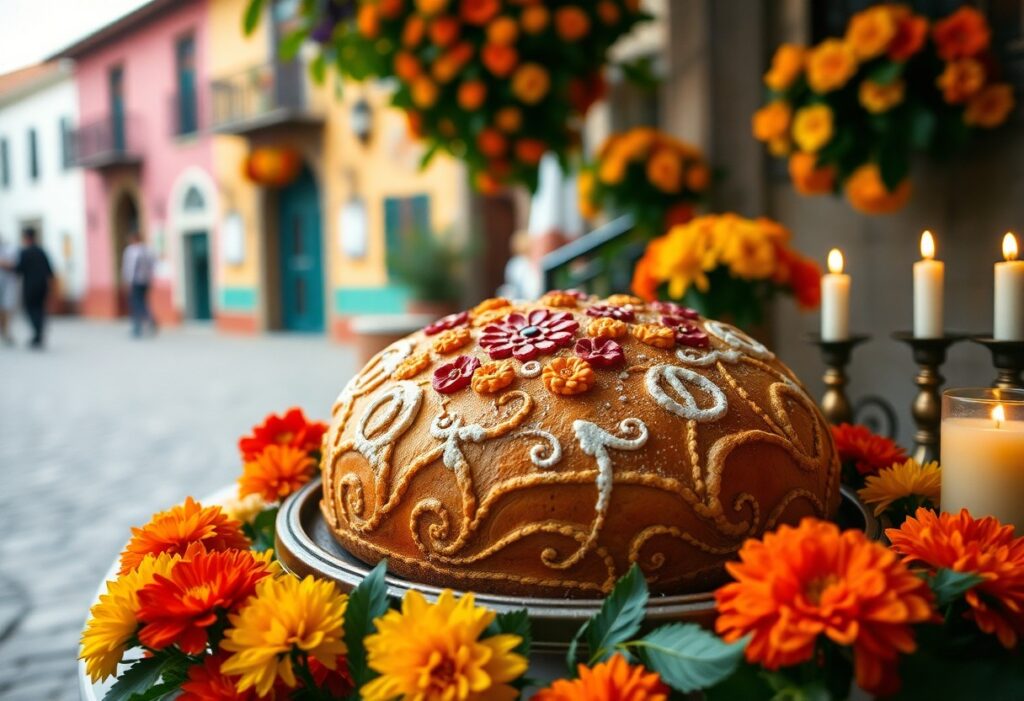
| Day of the Dead | Pan de Muerto | Bake within 24 hours of serving (Nov 1–2). |
| Christmas / Winter | Ponche, Rosca de Reyes | Ponche: make fresh and reheat gently; Rosca: best same day but keeps 1–2 days covered. |
| Lent | Capirotada | Make ahead—sits well overnight; ideal for Lenten fasting menus. |
Everyday Comfort Foods And Small Technique Notes
A few approachable favorites to build confidence:
- Guacamole ripe avocado, lime, cilantro, a bit of diced onion and jalapeño—season to taste; make just before serving.
- Tortilla Soup the full recipe and technique notes are on the canonical post—see the tortilla soup page for broth secrets and topping ideas.
- Churros Use a piping bag with a star tip for the classic ridges; drain briefly on paper and toss in cinnamon sugar while warm (recipe).
Go to the full recipes
For step‑by‑step instructions, ingredient amounts, and printable directions, open the canonical recipe pages below.
Frequently Asked Questions
What Recipes Are Easiest For Beginners?
Start with churros or tortilla soup—both require straightforward steps and forgiving timing.
Which Dishes Are Best For Celebrations?
Pan de Muerto, Rosca de Reyes, Ponche, and Tres Leches are traditional celebration items—use the linked pages for timing and serving tips aligned with their holidays.
Can I Use Store‑bought Tortillas?
Yes—store tortillas save time and work well for many recipes, but fresh tortillas (masa) noticeably improve texture and flavor for tacos, sopes, and fillings.
Explore more recipes and local cuisine stories in our Food & Drink category.

Sophie Valdez is a passionate author and cultural enthusiast based in San Miguel de Allende. With a keen eye for detail and a love for storytelling, she writes compelling pieces that explore the rich history, vibrant culture, and hidden gems of this enchanting city. Through her engaging narratives, Sophie invites readers to discover the unique charm of San Miguel de Allende, making her work a go-to resource for both visitors and locals alike.

I was deeply intrigued by your reflections on the integral role of fresh produce and herbs in authentic Mexican cuisine. It’s fascinating how each ingredient not only contributes its own unique flavor but also carries a story and cultural significance that spans generations. The vibrant colors and fresh aromas of ingredients like cilantro, tomatoes, and chiles transport me back to family gatherings where the kitchen buzzes with activity, laughter, and the sizzling sounds that herald a meal being prepared.
I completely resonate with your thoughts on fresh produce and herbs in Mexican cuisine. It’s remarkable how something as simple as a handful of cilantro or a pile of ripe tomatoes can evoke such vivid memories and connections to our roots. Growing up, I remember my grandmother insisting that the best guacamole comes from perfectly ripe avocados, but what really made it special were the moments we shared while prepping in the kitchen—her teaching me the right way to slice and mash, all while telling stories of her childhood.
I appreciate how you’ve highlighted the essential role of fresh ingredients in authentic Mexican cooking. It makes me think about my own experiences with the vibrant flavors of Mexican cuisine. A while back, I hosted a small dinner where I made tamales for the first time, and using fresh masa really transformed the dish. It’s amazing how quality ingredients can elevate even the simplest recipes, connecting us to the culture and traditions behind them.
Exploring the vibrant world of authentic Mexican cuisine truly feels like a journey that connects us to the soul of Mexico. What resonates with me is the emphasis on fresh produce and herbs, which not only amplify the flavors but also reflect the culture’s deep relationship with nature. For instance, when I make a simple salsa using tomatoes, cilantro, and lime—the freshness of each ingredient transports me to a bustling market in Oaxaca.
I appreciate how you emphasize the rich culinary heritage of Mexico through authentic recipes. Exploring the essence of traditional dishes like Pan de Muerto and Churros not only offers us a taste of Mexico but also allows us to connect with its culture and history on a deeper level. Each recipe seems to unfold a story, and as home cooks, we become part of that narrative every time we prepare these meals.
I love how you emphasize the importance of fresh produce and herbs in Mexican cuisine! When I first started exploring these recipes, I realized how much of an impact fresh cilantro and jalapeños made in bringing dishes to life. It’s fascinating to see how each ingredient carries its own story and cultural significance. Have you tried incorporating seasonal ingredients into traditional recipes? It’s a fun way to keep the essence of the dish while adding a personal touch. For instance, using heirloom tomatoes in salsa really enhances the flavor and showcases the variety that Mexican cooking offers. I’d be curious to hear what others have discovered in their kitchen experiments!