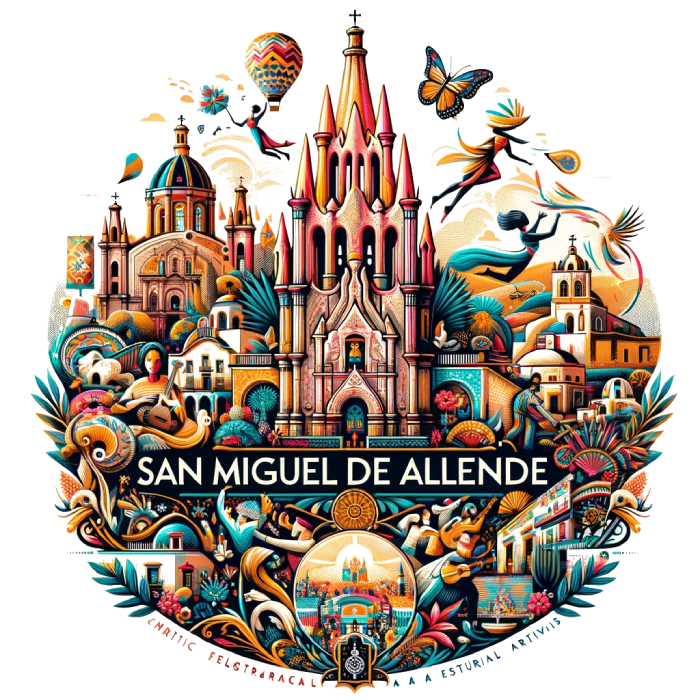
San Miguel de Allende becomes quietly theatrical and deeply intimate during D eda de los Muertos: expect candlelit altars, neighborhood vigils and colorful processions rather than a single large commercial spectacle. For a fuller event schedule and official updates, see the citys complete event guide early in your planning: San Miguel de Allende D eda de los Muertos 2025 — complete event guide.
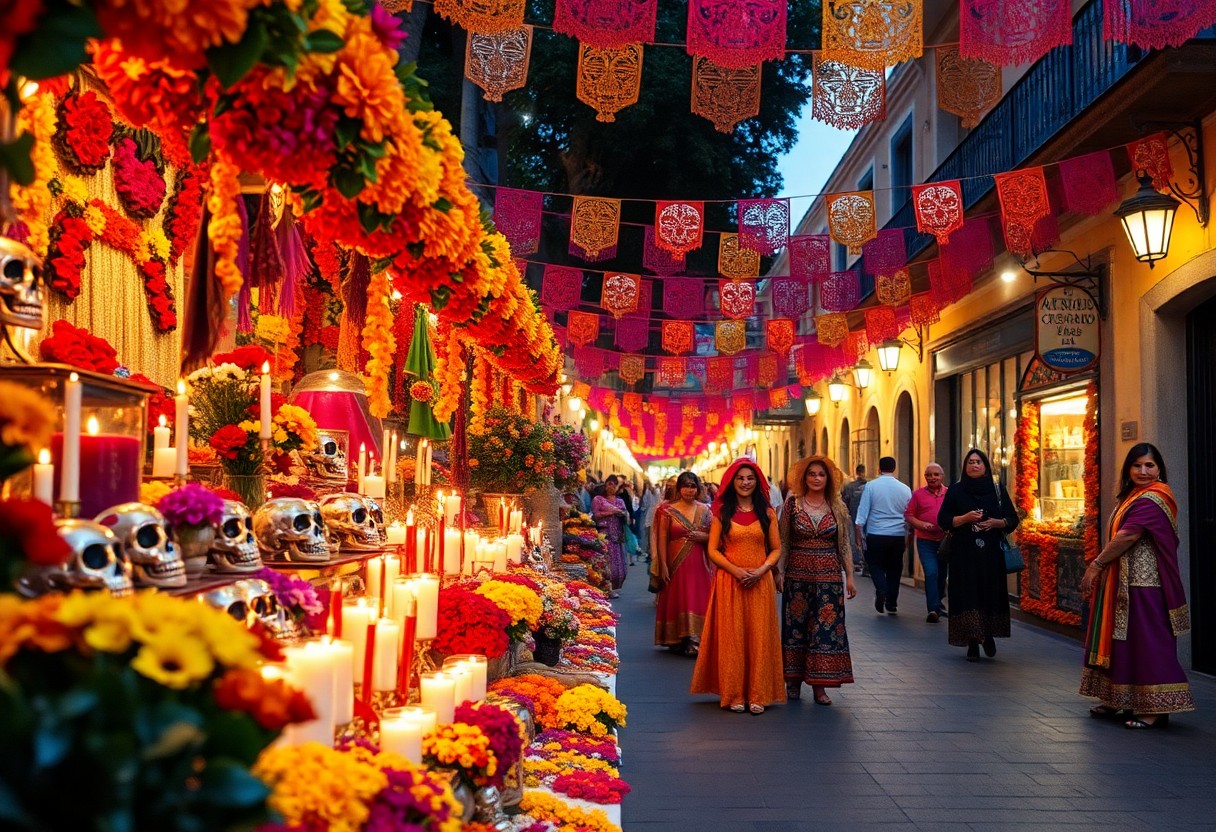
Quick Decision Checklist
| Best Days To Visit | Oct 31 Nov 2 (peak: Nov 1 ) |
| Crowd Level | Moderate to busy in the historic center; neighborhoods stay intimate |
| Must-See Rituals | Nighttime cemetery vigils, community ofrendas, Jard edn processions, public altars |
| Where To Stay | Historic center (walkable) or neighborhoods on the hill for quieter evenings |
| Booking Window | Reserve lodging 3 + months ahead for October Nov; tours and rooftop tables earlier |
What To Expect In One Line
San Miguels festival feels like an artful, community-scale version of D eda de los Muertos: intimate altars, street performances, and candlelit cemetery vigils more than large tourist parades.
Why San Miguels D Eda De Los Muertos Feels Different
San Miguel mixes deep-rooted Mexican rituals with an active local arts scene. Expect ofrendas and family ceremonies that preserve indigenous and Catholic threads, while artists and younger residents add contemporary interpretations. Read a close look at altar traditions on the sites altar-focused post: How ofrendas work in San Miguel.
A Compact Cultural Primer
Historically rooted in pre-Hispanic ancestor veneration and later blended with Catholic All Saints/All Souls observances, the holiday is both private (family altars and cemetery vigils) and public (community altars and performances). You will see La Catrina imagery throughout — for background, see our piece on La Catrina: La Catrina: a Day of the Dead icon.
Where To Watch: Best Spots And Practical Times
Not all viewing is equal. Below are reliable places where events and rituals concentrate, plus timing notes so you can plan daytime and nighttime options.
| Spot | What to expect | Best time |
|---|---|---|
| Historic center / El Jard edn | Community altars, street performances, family processions | Early evening into late night (7pm 2am) |
| Local cemeteries | Candlelit vigils, intimate family gatherings | Night (after sunset) for the full effect |
| Neighborhood plazas | Local processions and community altars with fewer tourists | Late afternoon evening |
| Private cultural venues | Exhibitions, workshops and curated performances | Schedule varies check event guide |
Planning & Logistics (Timing, Booking And Safety)
Practical details make the visit much easier: when to go, how far ahead to book, where to sleep, and basic safety and etiquette.
When To Go And When To Book
- Standard festival window: October 31 November 2; peak community activity most visible on Nov 1 .
- Booking timeline: reserve accommodation 3 months+ in advance for standard rooms; popular boutique hotels and rooftop dining reservations are best secured 6+ months ahead during a high year.
- Check the city event guide after early October for municipal parade times and official altar exhibitions: full event guide.
Getting Around And Where To Stay
Stay in or very near the historic center if you want maximal walkability to altars and performances; pick a quieter hill neighborhood if you prefer peaceful evenings after nighttime vigils. Book early and expect higher rates around the festival.
Crowds, Safety And Etiquette
San Miguel is generally safe but busy during the festival. Carry small bills for vendors, secure your belongings in packed areas, and avoid large obvious displays of expensive gear late at night. Respect rituals: ask before photographing private altars or families and avoid loud, disrespectful behavior in cemeteries. For detailed safety guidance see the sites traveler safety advice: Is San Miguel de Allende safe?
What To Pack
- Layers and a light jacket for cool nights (temperatures commonly drop after sunset).
- Comfortable walking shoes for cobblestones and stepped cemeteries.
- Cash (small notes) for street vendors, altars donations, and workshops.
- Respectful costume accessories only if you have permission (avoid using sacred symbols inappropriately).
Ofrendas, Rituals And What Each Element Means
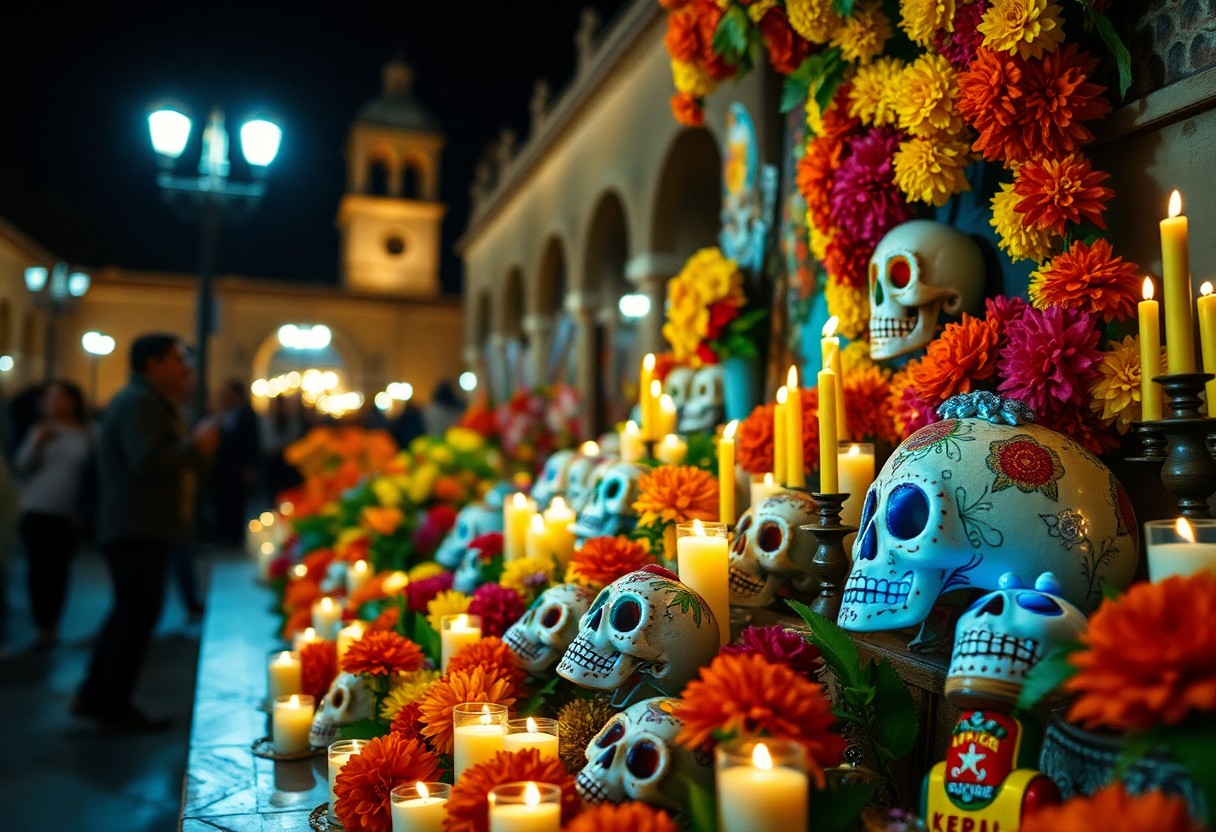
Ofrendas are central. Standard altar elements include photographs, candles, marigolds, water, salt and favorite foods of the deceased. Each object has meaning: marigolds guide spirits, candles light their way, and food comforts them. For a full how-to and deeper symbolism see: Ofrenda: honoring tradition in San Miguel.
How Visitors Can Respectfully Engage
- Observe and ask: approach family altars with quiet curiosity and request permission before taking photos of people or private offerings.
- Small offerings: if invited, a small, meaningful item is appropriate (no commercial trinkets or candles on a family altar unless asked).
- Attend community altars and public exhibitions if you want more open access to decorated ofrendas and explanatory displays.
Food, Drink And Seasonal Treats
Food is an essential layer of the holidays meaning. Look for pan de muerto, sugar skulls and regional tamales on offer. For the traditional bakery take on pan de muerto, our recipe and notes are helpful background: Pan de muerto: the traditional recipe.
What To Eat And Where
- Try street tamales and local mole at neighborhood stalls for authentic flavors.
- Visit bakeries early in the day for fresh pan de muerto; lines form, so arrive before mid-morning.
- Warm drinks such as atole and hot chocolate are traditional evening comforts during vigils.
Photography: How To Document Respectfully
Photography opportunities are abundant but ethically sensitive. Always ask permission for portraits or altar photos that involve families. Focus on detail shots of flora, papel picado and craftwork rather than intimate ceremonial moments. If sharing images online, add context and avoid sensationalizing grief.
Family Activities, Workshops And Community Participation
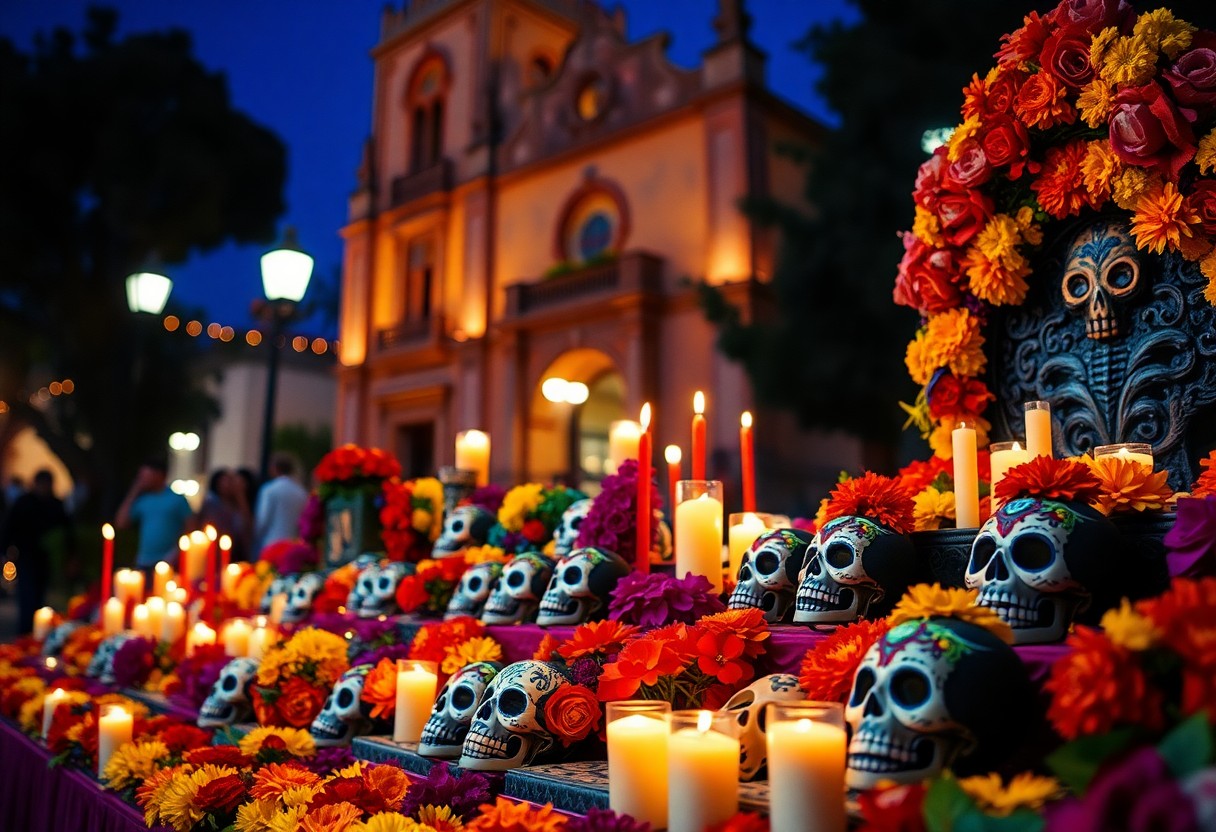
San Miguel emphasizes intergenerational participation: families craft altars, children help with papel picado and neighborhoods run workshops in mask-making and altar decoration. Check community centers and cultural institutes for schedules; many run free or low-cost classes during the festival.
Volunteering And Deeper Engagement
Local organizations sometimes recruit volunteer help for public altars and events. Volunteering offers a meaningful way to connect, but apply through established cultural groups and avoid imposing on family rituals.
After The Vigils: Evening Options And A Gentle CTA
Evenings often flow from ceremonies to social time. If you want a calmer after-dark option with city views, many travelers reserve rooftop seats for a quieter vantage point over the Jard edn and processions. For curated choices and rooftop recommendations consider this guide to terraces and bars: San Miguels best rooftop bars (2025).
Plan Your Evening
If you plan rooftop seating after vigils, reserve early and mention festival timing when booking; rooftop terraces fill fast on festival nights.
One-Page Timeline: What Happens When
| Date | Typical activities |
|---|---|
| Oct 31 | Preparation of altars, neighborhood workshops, some evening processions |
| Nov 1 (All Saints) | Family altars for children; daytime community altars and performances |
| Nov 2 (All Souls) | More intimate cemetery vigils, evening candles and family gatherings |
Where This Page Fits In Our Day-Of-The-Dead Coverage
This article is a practical “what to expect” primer; for full event listings, parade times and official municipal schedules use the complete event guide. For deeper dives into altar-making, La Catrina imagery, and festival baking see the linked specialist posts embedded above.
Frequently Asked Questions
Is San Miguel De Allende A Good Place To Experience Day Of The Dead?
Yes—if you want an artistic, community-focused experience rather than a large commercial parade. The citys mix of intimate neighborhood altars and curated cultural events offers a memorable, respectful way to observe the holiday.
When Should I Plan To Book Lodging?
Book lodging at least 3 months ahead for basic rooms and 6+ months ahead for popular boutique hotels and rooftop reservations during peak festival years.
Can I Photograph Altars And People?
Ask permission first—families often create private altars and vigils; public altars and exhibitions are fine to photograph, but add respectful captions when sharing images.
Ready To Plan? Start Here
If you need exact parade times, municipal schedules and official event listings, use our full event hub: Complete D eda de los Muertos event guide.
After evening ceremonies, many visitors favor quiet rooftops to unwind—see rooftop recommendations: Best rooftop bars in San Miguel (2025).
Clara Beaumont is a distinguished author and cultural enthusiast based in San Miguel de Allende. With a passion for exploring the diverse aspects of this vibrant city, she writes engaging pieces that illuminate its history, art, and community. Clara’s work aims to inspire both residents and visitors, fostering a deeper appreciation for the unique charm and rich stories that San Miguel de Allende has to offer.
What a beautifully vivid description of San Miguel de Allende’s Día de los Muertos! It sounds like a feast for the senses. I’ve always found the idea of dressing up in skeletal makeup fascinating—it’s like saying, “I’m here to party with the dead and celebrate life!” Honestly, it’s a great twist on typical Halloween festivities. Why not make a day of it?
I’m glad you enjoyed the description! Dressing up in skeletal makeup really does give everyone a unique way to connect with the celebration. It’s like each painted face becomes a part of the larger narrative, blending past and present in such a lively way.
Dressing up in skeletal makeup does really create a special connection to the celebration. It’s fascinating how a simple act like painting your face can tap into deeper cultural narratives and shared histories. I think it’s a beautiful reminder of how art and tradition can intersect, especially during festivities.
I completely agree with you about the way that skeletal makeup can forge a connection to the celebration. It’s amazing how these artistic expressions allow us to participate in cultural narratives that are often deeply rooted in history and community. I’ve always found it intriguing how face painting, especially during events like Día de los Muertos, serves not only as decoration but as a form of honoring and remembering loved ones who have passed.
You hit on something really interesting with the skeletal makeup. It’s more than just a way to dress up; it’s a deep cultural nod that honors the relationship between life and death in a unique way. In San Miguel de Allende, this celebration is full of colors, sounds, and flavors that create a rich tapestry of remembrance. Families build altars at home and in cemeteries, not so much to mourn but to invite the spirits to join the festivities.
It’s great to hear you enjoyed the description of Día de los Muertos in San Miguel de Allende! The vibrant energy during this time is really something special. Dressing up with skeletal makeup isn’t just about looking ghoulish; it’s a way to connect with traditions that honor those who have passed while celebrating life in a colorful, joyful manner.
I love the way you described the Day of the Dead celebrations in San Miguel de Allende! It’s fascinating how this holiday blends indigenous traditions and Catholicism, creating such a unique cultural experience. I remember visiting during this time, and the energy was palpable—especially seeing families create altars at the cemetery. It felt like a beautiful mix of joy and remembrance.
The Day of the Dead celebration in San Miguel de Allende truly does embody a unique intersection of culture and memory. Experiencing the vibrant displays of altars and the warmth of community bonding during this time is incredibly moving.
Your description of San Miguel de Allende’s Day of the Dead celebration truly captures the essence of this beautiful tradition. I’ve always found it fascinating how Día de los Muertos serves as a bridge between life and death, reflecting a unique cultural perspective that celebrates rather than shies away from mortality. The way locals craft altars with the favorite items of their loved ones reveals a deep sense of connection that resonates with many who experience it.
You’re spot on about how Día de los Muertos blends life and death in such a beautiful way. It’s like a heartfelt reunion, where memories of loved ones stroll back into our lives, and there’s no feeling of sadness—it’s more like joy wrapped in nostalgia. The altars, or “ofrendas,” really do tell stories, showcasing not just personal items but also flavors, music, and moments that shaped their lives. Plus, walking through San Miguel during this time, you can feel the air filled with laughter and music—it’s a celebration that invites everyone to join in, making it a truly communal experience. It definitely shifts the way we think about loss, doesn’t it? It’s all about honoring and remembering, and it’s a beautiful reminder that those we’ve lost are always a part of us.