
For 2026 planning, a realistic monthly budget in San Miguel de Allende is roughly $1,400–$2,100 for one person, $2,200–$3,200 for a couple, and about $3,400–$5,000+ for a family of four. Housing is the biggest swing factor, followed by healthcare/insurance, dining habits, schooling and whether you live in or near Centro.
2026 Cost of Living — Quick Planning Ranges
| Household | Planning range / month | Main variables |
|---|---|---|
| Single person | $1,400–$2,100 | Rent, dining, insurance |
| Couple | $2,200–$3,200 | Housing size, insurance, travel |
| Family of four | $3,400–$5,000+ | Larger home, school, healthcare |
Important: these are planning bands, not guarantees. Rent, exchange rates and lifestyle choices can move your total well outside them.
Rent Is the Biggest Cost Variable
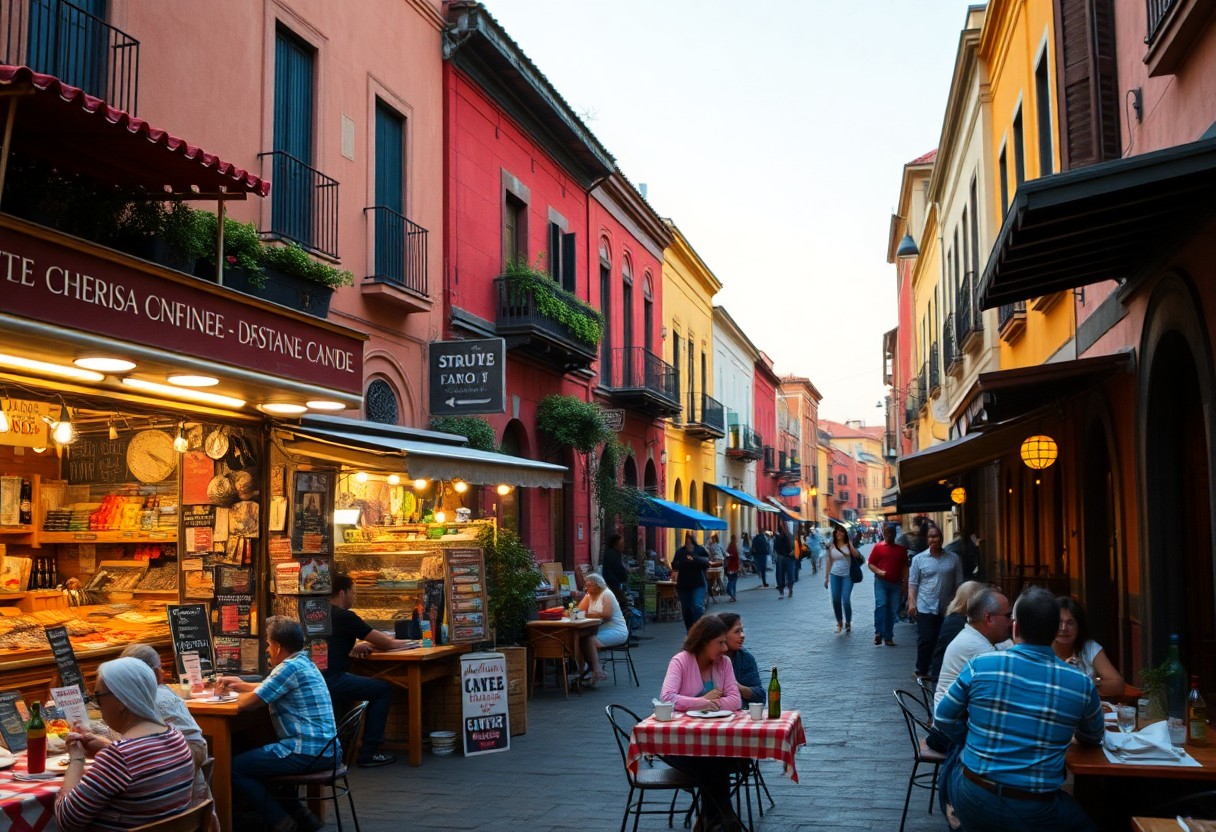
Your neighborhood and lease type usually matter more than any other line item. Furnished short-term rentals in Centro can cost far more than a long-term lease outside the historic core. Current 2026 market references show a very wide spread even for small units.
| Area | Typical furnished 1BR planning range | What you are paying for |
|---|---|---|
| Centro | About $900–$1,600+ | Walkability, historic core, furnished inventory |
| San Antonio / Guadiana | About $700–$1,300 | Close-to-center living with more residential feel |
| Guadalupe / Independencia and farther out | About $500–$1,000 | More space/value, longer trip to some central destinations |
These are broad planning ranges synthesized from current local-market references, not a promise that a specific property will be available at that price. Before signing anything, compare actual listings for the month you plan to move and check exactly what is included.
For a deeper housing search process, see our San Miguel de Allende long-term rental guide. To compare areas by lifestyle rather than price alone, use the where-to-stay and neighborhood guide.

A Practical Monthly Budget Breakdown
| Category | Single-person planning band | What changes it most |
|---|---|---|
| Rent | $600–$1,600+ | Centro vs outside Centro, furnished vs unfurnished, lease length |
| Utilities + internet | $70–$150+ | Property size, gas/heating use, what rent includes |
| Groceries | $250–$400 | Local markets vs imported products |
| Dining / leisure | $150–$500+ | Local fondas vs tourist-zone restaurants and nightlife |
| Local transport | $40–$120+ | Walking, buses/taxis vs owning a car |
| Healthcare / insurance | Quote separately | Age, deductibles, local vs international coverage |
Healthcare is deliberately not reduced to one universal number here. Insurance pricing can vary dramatically with age, exclusions, geographic coverage and deductible. Build it as a separate quoted line item rather than trusting a generic “expat average.”
Three Example 2026 Budgets
Lean Single
About $1,400–$1,600/month. Smaller rental outside premium Centro, mostly local shopping, limited taxis and restaurants.
Comfortable Single / Remote Worker
About $1,700–$2,100/month. Better-located furnished rental, regular dining out, reliable internet and a larger buffer for services.
Comfortable Couple
About $2,200–$3,200/month. One- or two-bedroom housing, more dining and transport, plus two-person healthcare planning.

Groceries and Dining: Two Very Different Budgets
San Miguel can feel inexpensive or surprisingly expensive depending on where you shop and eat. Local markets and neighborhood businesses usually stretch a budget much further than imported groceries, premium shops and restaurants aimed at international visitors.
For budgeting, separate groceries from dining and entertainment. Combining them hides the lifestyle choices that are often responsible for the biggest month-to-month changes.
Utilities, Internet and Working Remotely
Basic utilities and internet are generally a much smaller budget line than rent, but inclusions vary widely by lease. Ask whether water, gas, electricity, internet and periodic cleaning are included before comparing two rental prices.
Remote workers should verify the actual internet connection at the property rather than relying on a listing’s “Wi‑Fi” label. If remote work is central to your move, see our digital nomad and remote-work guide.
Families, Retirees and Other Costs That Change the Math
Families: schooling and a larger home can push costs well above a two-adult budget. Treat tuition, activities and childcare as separate research tasks rather than assuming they fit inside a generic family estimate.
Retirees: housing can be predictable, while private healthcare and insurance may become the dominant variable. Our retirement guide covers the broader decision beyond monthly spending.
Car owners: parking, insurance, fuel and maintenance add a cost category that many walkable-Centro budgets do not include.
When You Move Can Affect the First Few Months
Short-term rental demand is stronger around winter and major festival periods, so a first month booked as a visitor can be much more expensive than a later long-term lease. If you have flexibility, compare inventory across more than one month before deciding what “normal rent” looks like.
For timing, see Best Time to Move to San Miguel de Allende.
How to Build Your Own San Miguel Budget
- Start with three real rental listings in neighborhoods you would actually live in.
- Confirm which utilities and services are included.
- Set groceries and dining as separate categories.
- Get your own healthcare/insurance quote.
- Add schooling, car costs, pets, housekeeping or frequent travel if relevant.
- Keep an exchange-rate buffer and an emergency reserve.
Frequently Asked Questions
How much does one person need per month in San Miguel de Allende?
For 2026 planning, roughly $1,400–$2,100 per month is a useful range for one person. A premium Centro rental, frequent dining out or expensive insurance can push the total higher.
What is the biggest monthly expense?
Housing is usually the largest variable. The same person can have a very different budget depending on whether they rent in Centro, choose a nearby residential neighborhood or live farther out.
Can a couple live in San Miguel de Allende on $3,000 per month?
Yes, a $3,000 monthly budget can fit many comfortable two-person lifestyles, but it is not universal. Housing and healthcare are the two categories to price first.
Is San Miguel de Allende cheap compared with the rest of Mexico?
Not necessarily. San Miguel has a large international visitor and resident market, and desirable central housing can be expensive by Mexican standards. Its affordability depends heavily on neighborhood and lifestyle.
Should I budget in USD or MXN?
Use MXN for actual local spending and USD only as a planning convenience. Exchange rates move, so a fixed USD conversion can become stale quickly.
Wise,
Expatistan,
and current local rental references. Expatistan itself warns that its San Miguel sample is limited, so this guide uses ranges rather than presenting one source’s figure as a definitive average.

Ellie Thomson is an accomplished author and passionate advocate for the vibrant culture of San Miguel de Allende. Through her engaging writing, she explores a diverse range of topics that reflect the richness of life in this enchanting Mexican city. With a keen eye for detail and a deep appreciation for its history and community, Ellie shares stories that resonate with locals and travelers alike, inviting readers to discover the unique charm of San Miguel de Allende.
Your description of San Miguel de Allende is both inviting and thought-provoking. I’ve been considering a move there myself, mainly because I’m drawn to the idea of living in a place with such rich history and artistry. The concept of an affordable yet culturally vibrant lifestyle is incredibly appealing, especially when so many North American cities can feel prohibitively expensive for anyone looking to downsize or simply seek a change in pace.
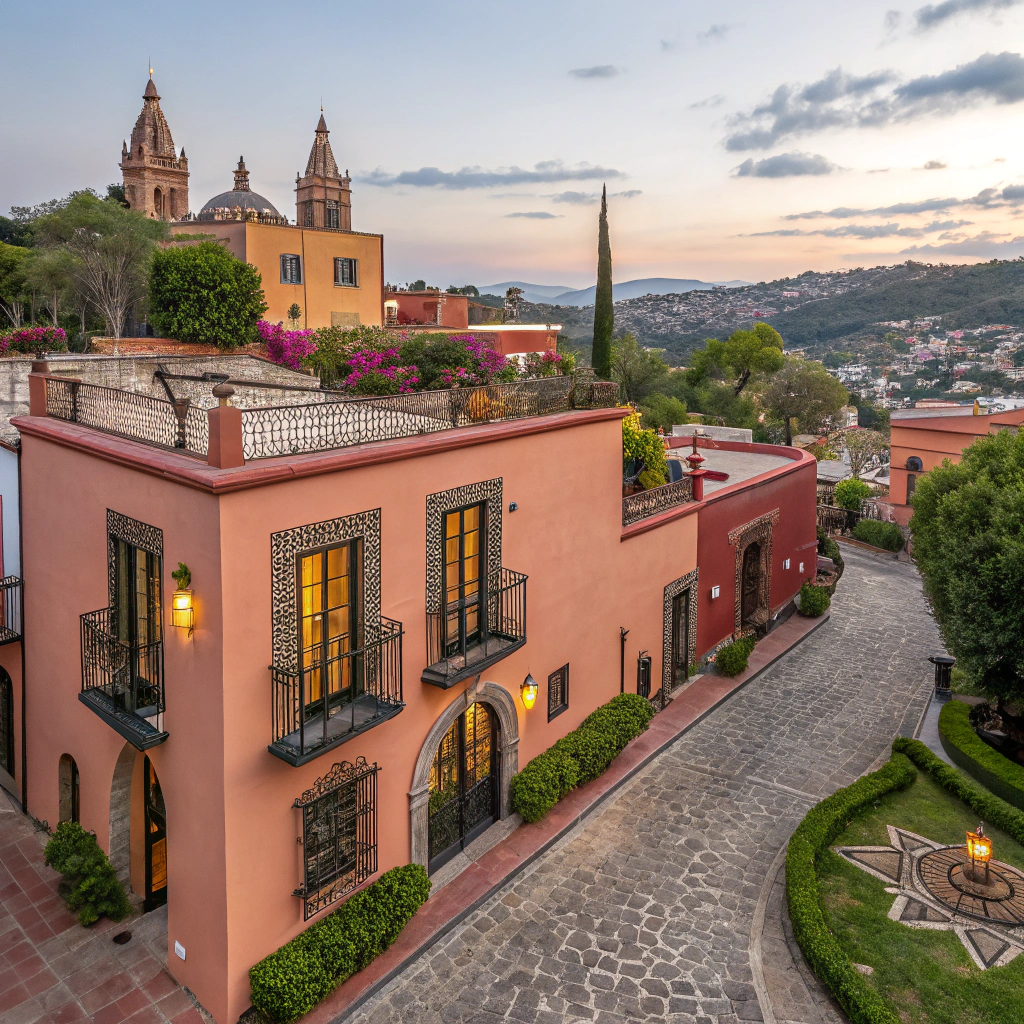
I really resonate with your thoughts on San Miguel de Allende. It’s one of those places that seems to blend the old with the new in such a unique way. The history there is palpable—the cobblestone streets, the colonial architecture, and the vibrant plazas pull you into stories from generations past, but at the same time, there’s this ongoing creative energy that makes it feel alive and fresh.
“I’m so glad to hear that you’re considering San Miguel de Allende! If you’re curious to explore more about what this charming city has to offer, check out this helpful guide.”
https://fallinginlovewithsanmiguel.com/photo-spots-in-san-miguel-de-allende-amazing-locations-to-capture
I completely agree with you about the charm of San Miguel de Allende. The blend of history and modernity really creates an almost magical atmosphere. Walking through those cobblestone streets, it’s easy to imagine the stories that have unfolded there over centuries. I love how the architectural styles reflect such a rich cultural heritage while still feeling vibrant and alive.
Since you appreciate the unique charm of San Miguel de Allende, you might find it interesting to compare it with other vibrant destinations like Guanajuato, Oaxaca, and Mérida, as each offers its own distinct blend of history and modern energy.
‘San Miguel Vs Guanajuato, Oaxaca & Mérida (2025) — Which Mexican City Should You Choose?’
https://fallinginlovewithsanmiguel.com/san-miguel-de-allende-vs-guanajuato-oaxaca-merida-which-mexican-city-should-you-choose-in-2025/.