
Eco tours in San Miguel de Allende pair outdoor adventure with cultural exchange—this guide helps you decide which tours actually deliver sustainability, safety, and real community benefit.
What To Expect From An Eco Tour In San Miguel
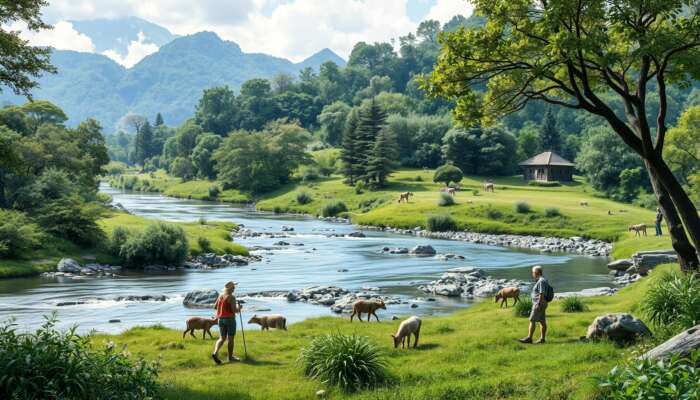
Eco tours focus on low-impact nature activities, cultural exchange, and channels for tourism revenue to benefit local communities. Typical inclusions are guided hikes, birdwatching, visits to organic farms or community workshops, and interpretive talks on conservation.
For broader sustainable-travel advice and preparation checklists, see our sustainable-travel hub: Sustainable Travel in San Miguel de Allende.
Choosing A Tour: A Compact Comparison
Practical Checklist Before You Book
Ask for guide certifications, local cooperative membership, and recent references.
How does the tour split revenue? Are local businesses and guides prioritized?
Confirm emergency protocols, liability insurance, and whether permits are required for reserves or cultural sites.
How Eco Tours Contribute — And How To Verify It
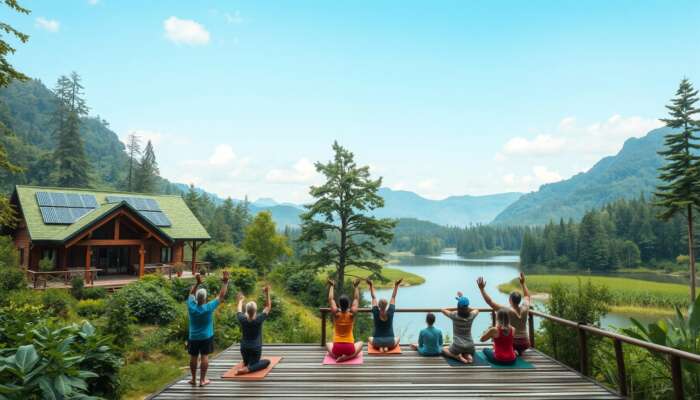
Good eco tours do three things: conserve habitat, educate visitors, and return meaningful income to local people. Look for these signals when vetting operators:
- Written statements or reports about conservation projects supported by tour proceeds.
- Partnerships with local NGOs, cooperatives, or community councils.
- Small group sizes, sensible trail use, and clear wildlife viewing protocols.
What To Ask A Tour Operator (Short List)
These questions cut to the core of sustainability and safety; ask them by email before you book and confirm them again on arrival.
- How many guests per guide? (Prefer ≤12 for hikes and wildlife trips.)
- Do you have proof of local partnerships or how revenue is shared?
- Are guides trained in first aid and wildlife ethics?
- What are your cancellation and refund policies if weather or permits change?
- Can you provide recent guest reviews or references?
When To Go & Booking Tips
San Miguel de Allende has a mild highland climate; timing affects activity choices.
| Season | What to expect | Booking window |
|---|---|---|
| Dry season (Nov–Apr) | Best hiking and birding; crisp mornings | Book 2–6 weeks ahead in high season |
| Rainy season (May–Oct) | Lush landscapes, some trails muddy; fewer visitors | Book 1–3 weeks ahead; confirm trail access |
Short recommendation: if you need a guaranteed small-group wildlife or trail spot during peak months, book at least two weeks in advance; for volunteer/participatory projects confirm multi-week commitments early.
What To Pack And Basic Safety
Pack for altitude and changing weather: layers, sun protection, and low-impact gear. Bring reusable water bottles and biodegradable toiletries.
- Good hiking shoes, sun hat, and lightweight rain jacket.
- Binoculars and camera for wildlife/birding.
- First-aid basics and any personal medications.
- Reusable water bottle and snack containers to avoid single-use plastic.
- Respectful clothing for community visits and cultural sites.
Related reading: if you want a focused list, see Packing list for San Miguel de Allende — Travel essentials, and for safety specifics check our on-the-ground guide: Is it safe in San Miguel de Allende?.
Where To Book And Related Pages
Start local: community cooperatives and small operators usually list tours directly or through vetted regional agencies. For alternatives and group arrangements see our practical guides:
For a slower, plant-focused option, compare botanical and garden tours before choosing an outdoor experience.
- Group Tours: the essential guide — if you’re traveling with friends or family.
- Hiking Trails — discover local routes — useful to check trail difficulty before booking.
- San Miguel Today — activities and events — to time your visit around cultural events.
Our hub lists eco-friendly trip planning tips, operator vetting questions, and links to local partners—read that next to convert your decision into a booking that supports conservation.
Frequently Asked Questions
Day hikes and birdwatching tours typically range from modest to mid-range prices depending on group size and included meals; volunteer or multi-day conservation projects are higher and often require a longer commitment. Ask for a full price breakdown before you pay.
Some reserves and protected areas require permits or limited access; reputable operators will secure these and explain any additional fees. Confirm permits before finalizing plans.
Dry season (Nov–Apr) is best for trails and views; rainy season (May–Oct) brings lusher scenery and fewer crowds but can restrict some trail access. See the booking table above for quick guidance.
Watch for vague claims without proof. Ask for recent conservation reports, named local partners, and concrete explanations of revenue distribution. If the operator cannot provide these, treat claims cautiously.
If you want a deeper how-to on sustainable travel habits and a booking-ready checklist, go to our hub: Sustainable Travel in San Miguel de Allende.
Related: Group Tours · Hiking Trails · Packing List

Ellie Thomson is an accomplished author and passionate advocate for the vibrant culture of San Miguel de Allende. Through her engaging writing, she explores a diverse range of topics that reflect the richness of life in this enchanting Mexican city. With a keen eye for detail and a deep appreciation for its history and community, Ellie shares stories that resonate with locals and travelers alike, inviting readers to discover the unique charm of San Miguel de Allende.

Your insights on eco tourism in San Miguel de Allende truly resonate with the growing interest in sustainable travel practices. Eco tourism not only highlights the importance of preserving our natural landscapes but also fosters a deeper connection to local communities and their unique cultures. I find that the transformative nature of eco tourism extends beyond the immediate experiences we have—it’s about how these experiences can change our perspectives and behaviors long after the journey has ended.
You’ve captured the essence of eco tourism beautifully. It’s refreshing to see travelers increasingly drawn to experiences that not only enrich their lives but also honor the environment and local communities. In San Miguel de Allende, this connection is especially profound; it’s as if the vibrant culture wraps around you, inviting you to genuinely engage with the people and their stories.
Your insights on eco tourism in San Miguel de Allende resonate deeply with me. It’s refreshing to see travelers being urged to prioritize safety and sustainability, especially in a world that sometimes feels rushed to explore without considering the impact.
Reading about Eco Tours in San Miguel de Allende has truly resonated with me. The notion that travel can be both enriching and responsible is a philosophy I believe more people should embrace. Eco tourism not only offers a path to appreciate the stunning landscapes but also serves as a reminder of our role as caretakers of the environment.
The concept of eco tourism is truly a breath of fresh air in the travel industry, especially in places like San Miguel de Allende, where the natural beauty is so intertwined with local culture. I appreciate how you emphasize safety and respect for regulations as essential first steps in planning these experiences. It’s a vital reminder that our exploration should never come at the cost of the environment or community well-being.
It’s great to hear you resonate with the idea of eco-tourism, especially in a place as vibrant as San Miguel de Allende. The way the landscape and culture meld is truly special, isn’t it? By prioritizing safety and respect for local regulations, we set a positive example for future travelers and help preserve the charm that draws us all in.
“Discover how you can immerse yourself sustainably in the stunning landscapes and rich culture of San Miguel de Allende—check out our eco-tourism options!”
https://fallinginlovewithsanmiguel.com/book-attractions
Your exploration of eco tours in San Miguel de Allende resonates profoundly with the principles of sustainable travel that so many of us are embracing today. I love how you’ve highlighted the importance of prioritizing safety and understanding the regulations surrounding eco tourism. This kind of conscientious planning not only ensures a smoother experience but also reinforces our responsibility as travelers to protect the environments we visit.
I appreciate your emphasis on the importance of safety and thorough planning in eco tourism, especially in a place as rich in culture and nature as San Miguel de Allende. Your approach underscores the responsibility we carry as travelers to not only enjoy these beautiful experiences but also to respect and preserve them.
I really appreciate the way you’ve laid out the essentials of eco tourism, especially in a stunning place like San Miguel de Allende. There’s something so enriching about exploring a destination with a focus on sustainability and community impact. I’ve done a few eco tours in different parts of the world, and it’s fascinating how they manage to weave together experiences that not only celebrate nature but also allow travelers to connect meaningfully with local cultures.
I really appreciate how your post highlights the essential components of eco tourism in San Miguel de Allende! The way you outlined prioritizing safety, understanding weather conditions, and clarifying permits reflects a responsible approach that really resonates with me. I think it’s fantastic how eco tours can serve as a bridge between travelers and the local culture, enhancing the experience while promoting sustainability.
I really appreciate how you highlighted the importance of safety and sustainability in choosing eco tours in San Miguel de Allende. It’s so crucial to find operators who genuinely care for the environment and the community. I remember joining a small-group tour that emphasized local partnerships, and it was eye-opening to witness the positive impact on the community firsthand.
I love how you emphasized the importance of safety and community benefits in eco tours! It’s so true that when traveling, especially in places like San Miguel de Allende, it’s easy to get swept away by the stunning landscapes and vibrant culture, but there’s so much value in ensuring our adventures support local communities and the environment.
Your insights on eco tours in San Miguel de Allende are quite enlightening, particularly the emphasis on sustainability and local community benefit. This approach resonates with the growing demand for more responsible travel experiences. I’ve noticed that many travelers are increasingly prioritizing trips that offer authentic interactions with local cultures, rather than those that simply offer picturesque views or popular attractions.
This is a valuable guide, especially in today’s travel landscape where responsible tourism is becoming more critical. I appreciate the emphasis on safety and community involvement in eco tours. During my last visit to San Miguel de Allende, I joined a small-group guided hike that emphasized local flora and conservation efforts. The experience was not just beautiful but deeply enriching as we interacted with local artisans who shared their stories and traditions.
Your exploration of eco tours in San Miguel de Allende resonates deeply with me, especially your focus on safety and sustainability. I recently returned from a trip where I prioritized similar values, and I can’t emphasize enough how enriching those experiences can be. Choosing small-group operators not only enhances your connection to the community but also fosters an environment where the nuances of a place can be more fully appreciated.
It’s refreshing to see such a thoughtful approach to eco tours in San Miguel de Allende. The emphasis on safety and community involvement is crucial, especially as the eco-tourism sector continues to grow. In my own travel experiences, I’ve often seen how crucial it is to prioritize responsible practices, not just for environmental preservation but also for the well-being of local communities.