
Choose three simple actions—pick a green stay, travel on foot or public transport, and spend with local artisans—to make your visit to San Miguel de Allende noticeably more sustainable without changing your itinerary.
| If You Have 1 Day | Walk the Centro, buy from a local artisan market, and bring a reusable water bottle. |
| If You Have 3 Days | Book a vetted eco-tour, stay at an energy-conscious boutique, and eat at restaurants sourcing local produce. |
| If You Have A Week | Mix eco-tours with a conservation volunteer day, take a day trip to nearby nature, and shop directly from cooperatives. |
Practical Actions That Make The Biggest Difference
Below are the highest-impact, traveler-ready choices you can make in San Miguel de Allende. These are the three priorities that will reduce your footprint and amplify benefits for local people.
1. Choose Greener Lodging

Look for properties that publicly list energy or water-saving practices (solar panels, low-flow systems, rainwater capture) and that source food and staff locally. Ask a quick question at booking: “Do you have any sustainability measures or local sourcing we should know about?” If you want curated eco-experiences, see our recommended local options on the eco-tours page: Eco Tours in San Miguel de Allende.
2. Move Low-Impact Around Town
San Miguel’s compact Centro is ideal for walking; short trips by taxi are common but consider shared shuttles or the local transportation guide when available. For route planning and transit tips, check the site’s transportation and travel guide: how to get around and our full planning resource: San Miguel de Allende — Complete Travel Guide.
3. Spend Locally And Sustainably
Prioritize purchases from artisan cooperatives, farm-to-table restaurants, and small producers. Ask vendors about origins—many makers are happy to explain their materials and techniques. If budget is a concern, the site’s budget travel tips show where to get authentic value without compromising local benefit: Budget Travel Tips.
Sustainable Accommodations At A Glance
| Accommodation type | Common sustainability features | Local impact |
|---|---|---|
| Eco-conscious boutique | Solar panels, greywater reuse, composting | Jobs for local staff; local suppliers |
| Family-run guesthouse | Local food sourcing, small scale waste programs | Direct economic benefit to neighborhood |
| Larger hotels | May have certifications or sustainability reports | Look for verified claims before booking |
Smart Packing, Waste Reduction, And Respectful Behavior
- Pack a reusable water bottle, a small tote for markets, and a travel cutlery set to avoid single-use plastics.
- Bring lightweight reusable bags for purchases—many markets still use plastic bags by default.
- Respect local cultural norms: ask before photographing people and attend local events with curiosity and courtesy.
- Sort trash when bins are clearly labeled; avoid leaving waste on trails or in public spaces.
Local Experiences And Vetted Eco-Tours (How To Choose)
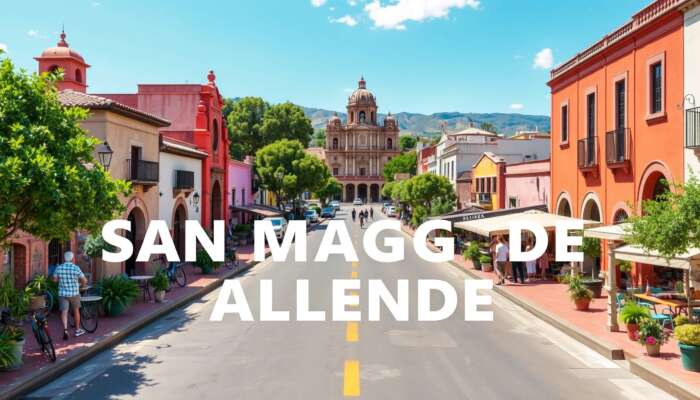
If you plan to join an organized nature or cultural tour, choose operators who: list conservation outcomes, hire local guides, and keep group sizes small. We maintain a dedicated page of recommended local eco-experiences to help with bookings—see: Eco Tours in San Miguel de Allende.
- Does the operator explain where fees go (community projects, conservation)?
- Are guides local and trained in low-impact practices?
- Are group sizes capped and transport shared where possible?
When To Go And Booking Windows
Best months: the dry season from October through May offers the most comfortable weather for walking and outdoor activities. Peak arrival months are November–April (festivals and high season), so book accommodations and guided eco-tours 2–3 months ahead for average stays and 4–6 months ahead for festival dates. Traveling in the shoulder months (October and May) reduces crowding and still gives good weather for outdoor conservation activities.
How Sustainable Travel Benefits The Local Economy And Culture
When you prioritize local guides, cooperative artisan workshops, and farm-sourced restaurants, more of your travel spend stays in the community. That supports livelihoods, maintains traditional crafts, and funds small conservation projects. For practical budgeting and where to find authentic local options, see our planning and budget pages: Complete Travel Guide and Budget Travel Tips.
Booking & Next Steps (Small CTA)
Start with our vetted local experiences to lock in small-group, low-impact tours or conservation activities.
Short FAQ (Timing, Safety, Getting Around)
What Is The Best Month To Visit San Miguel De Allende?
October–May is the dry, most comfortable season; November–April are busiest. For fewer crowds and still-good weather, try October or May.
Is San Miguel De Allende Safe For Travelers?
The Centro and main tourist areas are generally safe. Use standard precautions: avoid poorly lit, empty streets at night and use licensed taxis or ride services. See the site’s safety guide for more detailed, up-to-date advice: Safety Guide.
How Do I Get Around Sustainably?
Walk when possible, use shared shuttles for day trips, and combine errands to reduce ferrying. Many neighborhoods are walkable—pack comfortable shoes.
How Many Days Are Enough In San Miguel?
Three days lets you see the Centro, a market, and an eco-activity; a week gives time for day trips and a conservation volunteer experience.
Further Reading And Related Pages
For practical trip planning that complements these tips, consult the site’s main planning resources: Complete Travel Guide, Eco Tours, and our Budget Travel notes for cost-conscious sustainable choices.
If you want us to recommend specific small-group eco-tours or green stays based on your travel dates and group size, check the eco-tours page first and then contact us via the site’s contact page for tailored suggestions.


Jasper Lennox is an insightful author and dedicated chronicler of the vibrant culture and history of San Miguel de Allende. With a passion for exploring its rich tapestry of art, architecture, and community, he crafts engaging narratives that showcase the charm and allure of this enchanting Mexican town. Through his writing, Jasper invites readers to discover the unique stories and experiences that make San Miguel a beloved destination for travelers and locals alike.

I truly appreciate your insightful exploration of sustainable travel in San Miguel de Allende. The emphasis on maintaining positive interactions with both the environment and local cultures resonates deeply with me. As someone who has engaged in conscious travel myself, I’ve witnessed firsthand the profound impact our choices can have not only on the places we visit but also on the communities and ecosystems that thrive there.
Your exploration of sustainable travel in San Miguel de Allende resonates deeply with the broader conversation about our responsibility as travelers in today’s world. It’s a timely subject, especially as more people seek meaningful journeys that extend beyond mere sightseeing.
The emphasis on sustainable travel in your post raises some important considerations that often get overlooked in the excitement of exploring a new destination. While it’s clear that sustainable travel is essential for preserving our planet and supporting local economies, I wonder how effective this approach can be in practice, particularly in popular tourist spots like San Miguel de Allende.
The concept of sustainable travel really resonates with me, particularly given the increasing challenges our planet faces. Your post highlights an essential point: the necessity of being conscious in our travel choices and understanding the broader implications of our actions. Sustainable travel is not just about selecting eco-friendly accommodations or engaging in responsible tourism practices; it’s about creating a holistic approach to how we experience the world.
I appreciate how you’ve highlighted the importance of sustainable travel, especially in a culturally rich destination like San Miguel de Allende. It’s so crucial for all travelers to be mindful of their impact on both the environment and the local communities they engage with. I recently took a trip where I aimed to support local craftsmen by purchasing handmade goods rather than mass-produced items. It was a small step, but it made me feel more connected to the culture and helped those artisans sustain their livelihoods.
Your insights on sustainable travel in San Miguel de Allende resonate with me deeply. I appreciate the emphasis on practical, manageable actions that can make our visits more eco-friendly without sacrificing the experience.
Sustainable travel is all about balancing enjoyment with responsibility, and it’s great to hear that you found the strategies practical. When you’re wandering through the cobblestone streets of San Miguel de Allende, every small choice counts. For instance, seeking out local eateries not only enhances your culinary experience but also supports the community. Choosing to walk or bike instead of driving can reveal hidden gems and interactions with locals that you might miss otherwise.
Your insights on sustainable travel in San Miguel de Allende resonate deeply with me, especially the emphasis on supporting local artisans. I recently returned from a trip where I dedicated a day solely to exploring local markets—what a rewarding experience! Connecting with artisans gave me a genuine appreciation for their craft and culture, and the stories behind each piece added so much depth to my visit.