The Wool & Brass Fair in San Miguel de Allende runs November 22–December 1 in El Jardín and is the easiest place to find handwoven textiles and traditional brasswork from area artisans; if you value authentic craft and shopping with local makers, plan to go. See the travel guide for arrival, lodging, and neighborhood tips.
Event Snapshot
Quick facts to decide at a glance.
- Dates November 22 – December 1 (annual).
- Place Jardín Principal (El Jardín) — the central plaza in San Miguel de Allende.
- Hours Varies by stall and day; traditionally open from morning into the evening — check the official events calendar before you travel.
- Admission Generally free to enter; purchases and demonstrations have separate costs.
- Why Go Handwoven wool textiles, brass lanterns, jewelry, live demonstrations, and local food.
For the most current schedule and any ticketed workshops, see the town events hub or the seasonal events page linked below.
Should I Go?
Yes, if you enjoy artisan shopping, photography, and live craft demos; skip it if crowds and bargaining are dealbreakers.
| When | Nov 22 – Dec 1 (annual) |
| Where | Jardín Principal — central plaza (see map in the travel guide) |
| Cost | Free entry; artisan prices vary (see tips below) |
| Best Time | Weekday mornings for fewer crowds; late afternoon for atmosphere and music |
| Bring | Cash, reusable bag, water, comfortable shoes |
Why The Fair Matters
The Wool & Brass Fair is more than a market: it showcases traditional weaving and metalwork techniques rooted in the region’s history. Weavers display hand-dyed, handwoven textiles — blankets, shawls, tapestries — while metalworkers demonstrate hammering, polishing, and finishing brass into lanterns, mirrors, and jewelry. Buying at the fair helps sustain artisan families and preserves techniques that are passed down through generations.
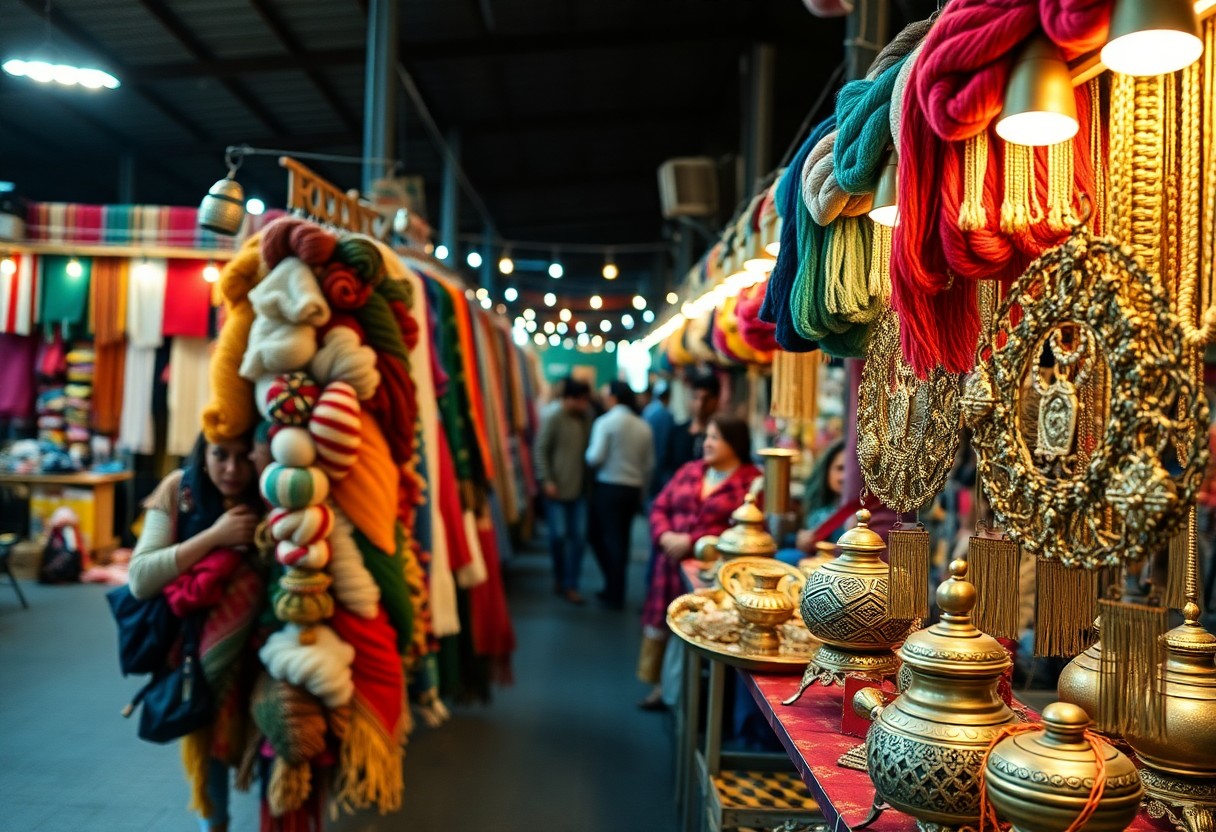
Weavers work on-site with natural dyes and traditional looms; speak with makers for the story behind each piece.
What You'll Find (And What To Buy)
Expect a mix of functional and decorative objects made with traditional methods. Typical highlights:
- Handwoven Wool rugs, throws, shawls, embroidered garments — notable for natural dyes and regional motifs.
- Brass Work lanterns, mirror frames, trays, jewelry and small sculptures with hammered finishes.
- Smaller Crafts embroidered accessories, belts, and home décor items that travel well.
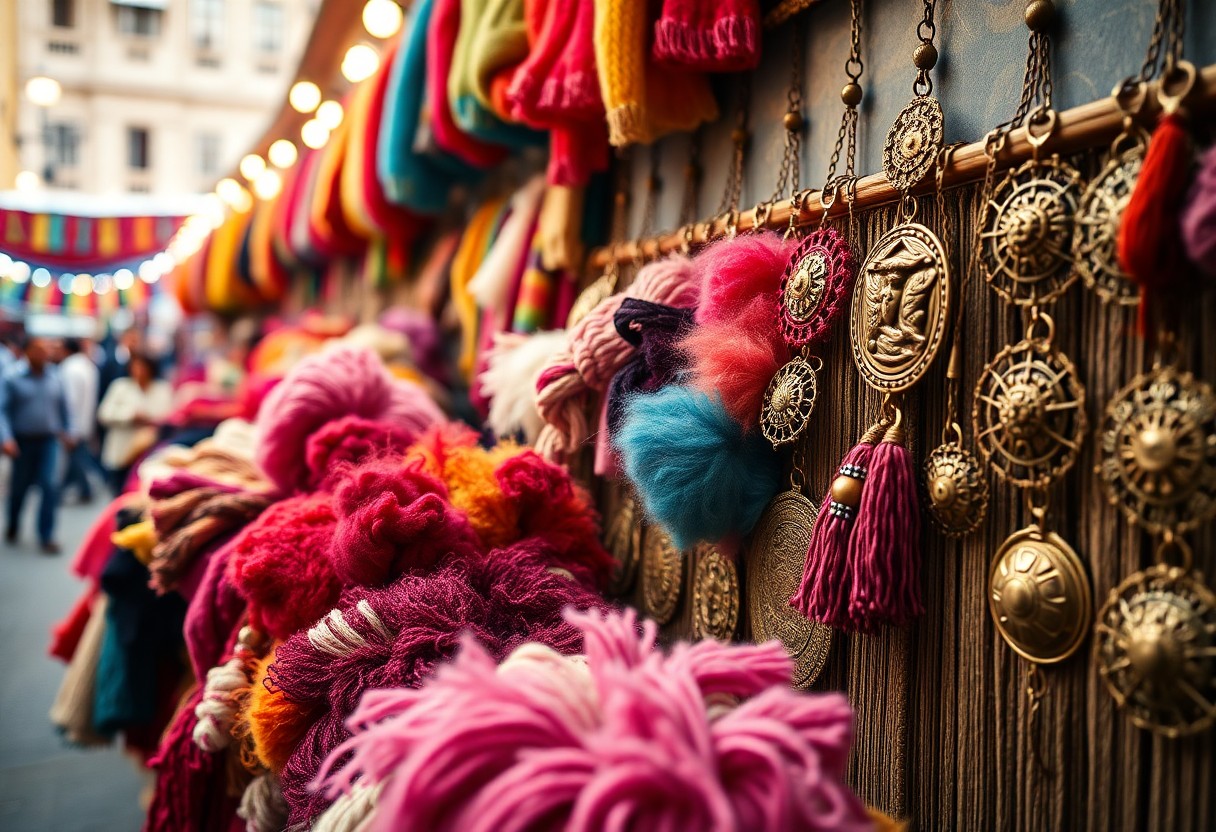
Look for stamped maker marks or ask for the artisan’s name — provenance adds value.
Top Buys By Traveler Type
- Collectors: hand-dyed tapestries and signed brass pieces.
- Gift shoppers: small brass jewelry, embroidered wallets, or textiles under a manageable size.
- Home decorators: medium rugs and brass lanterns that can be packed or shipped.
Practical Tips For Attending
These practical notes will save time and avoid common travel hiccups.
- Cash First Many stalls prefer cash; larger pieces may accept cards but confirm before buying.
- Haggling Bargaining is common but polite — offer a reasonable counter if a price seems high.
- Transport & Parking The Jardín is walkable from most central hotels; if driving, use nearby paid parking and arrive early on busy days.
- Shipping Ask vendors about shipping options for large purchases — some coordinate with local shippers for export packing.
- Photography Always ask before photographing close-up of an artisan’s hands or a stall’s detailed work.
- Comfort Wear comfortable shoes — the fair covers cobbled plaza areas and extended walking.
| Who Enjoys It | Accessibility | Ideal Hours | Budget Guide |
| Craft buyers, photographers, culture-focused travelers | Plaza is mostly level; expect crowds—ask for assistance if needed | Weekday mornings (calmer) or late afternoons (festive) | Small souvenirs from $10–$30; textiles and brass pieces vary widely from $40 to several hundred depending on size and provenance |

When To Book And How Timing Changes Plans
Because the fair is seasonal and overlaps with other November events in San Miguel, book flights and accommodation early. For flights and airport options, check the site’s flights page; to reserve hotels, see the hotels guide. If you plan to visit around the fair dates, aim to book 6–8 weeks ahead for the best hotel choices and prices; during peak weekends you may need to book even sooner.
Timing notes:
- Weekdays: quieter, easier to speak with artisans and inspect work.
- Weekends: livelier with more performances but expect crowds and longer waits at popular stalls.
- If you combine the fair with other local festivities, check the events hub for date overlaps to avoid double-booking your preferred activities.
Where To Learn More And Next Steps
For current schedules, official announcements, or ticketed workshops, consult the town’s events hub and the site’s events coverage. If you’re planning travel logistics, these pages are helpful:
- Complete travel guide — arrival, neighborhoods, and maps.
- Flights and airport options — best routing to San Miguel.
- Activities & tours — combine the fair with workshops or guided visits.
Plan Now — Suggested Next Step
If the dates fit your trip, reserve accommodation early and allocate at least half a day for browsing and demonstrations. For a wider events calendar and scheduling details, visit the site’s events hub.
Frequently Asked Questions
How Much Do Items Typically Cost?
Small souvenirs and jewelry start around $10–$30; mid-size textiles and decorative brass pieces commonly range $40–$300; large rugs or signed artisan pieces can cost more. Prices vary by material, size, and maker.
Can I Pay By Card?
Many small vendors prefer cash; some accept cards for larger purchases. Bring a mix of cash and a card, and ask before committing to a big purchase.
Is Bargaining Expected?
Polite haggling is common; offer a reasonable counter and be respectful of the artisan’s time and skill. For guaranteed fair prices, buy directly at posted rates.
Will There Be Live Demonstrations?
Yes—many makers demonstrate weaving, dyeing, and metalworking on-site. These demonstrations are best seen early in the day when artisans are less busy with sales.
See also: Complete travel guide, Activities & tours, and the events hub.

Ellie Thomson is an accomplished author and passionate advocate for the vibrant culture of San Miguel de Allende. Through her engaging writing, she explores a diverse range of topics that reflect the richness of life in this enchanting Mexican city. With a keen eye for detail and a deep appreciation for its history and community, Ellie shares stories that resonate with locals and travelers alike, inviting readers to discover the unique charm of San Miguel de Allende.
This fair sounds amazing! I love how events like these preserve cultural identity while also supporting local artisans. I remember visiting a similar craft fair in Oaxaca and being blown away by the artistry of traditional textile weavers. Wool, in particular, has such a rich texture that really connects you to the land and the community. I think it’s so important to recognize the stories behind each piece we buy—these artisans pour their heart and history into their work. It’d be interesting to explore how modern technology could blend with these traditional methods while maintaining that deep-rooted craftsmanship. Has anyone else experienced how these crafts have evolved or been showcased in a new way?
It’s refreshing to hear your thoughts on the craft fair and how it resonates with experiences like your trip to Oaxaca. That connection between the artisan and their craft really is something special. Each piece isn’t just a product; it’s a story, a slice of life that speaks to the culture and history from which it springs. When you mention the texture of wool, it’s such a tangible reminder of the land and the labor that went into making it. It’s fascinating to think about how certain materials can carry the essence of a place.
It’s interesting how a craft fair can evoke such rich layers of meaning, much like a trip to a place like Oaxaca. The connection between the artisan and their craft truly brings the cultural narrative full circle. When you handle a piece made from local materials, like wool, you can’t help but think about the land where it originated—the sheep grazing on the hillsides, the climate influencing their growth, and the hands that sheared, spun, and dyed the fibers.
“I’m glad you resonated with the connection between artisans and their crafts! If you’re interested in exploring more about these unique stories and materials, check out this link for some beautiful pieces that truly embody their origins.”
https://fallinginlovewithsanmiguel.com/tours-and-excursions
You raise an interesting point about the blend of tradition and technology. It’s true that the artistry in textiles, like those woven in Oaxaca, ties deeply to culture and history. But I wonder if incorporating modern tech always serves the artisans or if it sometimes dilutes their craft. For instance, while digital tools can enhance production and offer broader visibility, they can also lead to mass reproduction that undermines the uniqueness of handmade goods.
You’ve hit the nail on the head! The balance between tradition and technology is often a bit like walking a tightrope while juggling—exciting but potentially messy.
It’s true, isn’t it? Balancing tradition and technology can be quite the challenge. Each has its own strengths, and when they clash, it can be messy, but also really beautiful. I think there’s something special about how technology can enhance traditional practices—like how modern tools can preserve stories and crafts that might otherwise fade away. Finding that middle ground allows us to honor our past while embracing the future. What aspects do you think are most worth preserving as we move forward?
I totally get what you’re saying about that connection to the land and community—it’s like each piece has a little story hidden in its fibers, right? Those textile weavers in Oaxaca are on another level; I mean, the way they turn wool into art is nothing short of wizardry.
It’s great to hear you share that perspective! The artistry in places like Oaxaca is truly something special, and it’s touching to see how these crafts connect people to their roots. The stories woven into every piece carry so much meaning, and it’s fascinating how each artisan has their own unique narrative tied to their creations.
It’s great to hear about your experience in Oaxaca; that city has such a vibrant craft scene, and the artistry there really does tell a story. I find it fascinating how textiles carry not just aesthetic value but also cultural significance. Each piece seems to weave together history and identity in a tangible way, don’t you think?
You bring up such an important point about how events like these not only showcase incredible artistry but also keep cultural identities alive. Each piece we encounter has more than just aesthetic appeal; it’s essentially a narrative woven into its fabric. I can see how your experience in Oaxaca must have sparked a profound appreciation for this intricate blend of culture and craft.
“Absolutely! If you’re interested in exploring more about the artisans and their incredible stories, check out our upcoming fair where tradition meets innovation!”
https://fallinginlovewithsanmiguel.com/photo-spots-in-san-miguel-de-allende-amazing-locations-to-capture
What a delightful dive into the world of San Miguel de Allende! I can almost hear the melodies of live music over the hum of conversations filled with excitement about the unique treasures to be found. I once tried my hand at weaving—let’s just say my “masterpiece” looked more like a modern art installation gone rogue, but it gave me a new appreciation for those handwoven textiles!
It’s great to hear about your experience with weaving! It always amazes me how a personal attempt, even if it turns out more abstract, can open up a whole new appreciation for the skill behind the craft. The artisans here really pour their heart into each piece, don’t they?
It’s interesting you mention that about weaving and the appreciation it brings. I recently took a workshop where I tried my hand at it, and it really opened my eyes to the intricacies involved. Each pattern tells a story, often reflecting the culture or the personal journey of the weaver. It’s almost meditative, too; there’s something calming about the rhythm of weaving that becomes a bit of a mental escape.
Your description of the vibrant atmosphere in San Miguel de Allende really captures the essence of the place. It’s amazing how live music can create a backdrop for conversations that flow seamlessly, like those rich conversations about art and creativity. I can imagine you surrounded by local artisans showcasing their weaving skills, with the melodies providing a unique resonance to the experience.
You’ve captured such an important part of the San Miguel experience. Music plays a role that transcends mere entertainment; it weaves through the lives of people here, creating a shared space where stories and ideas intermingle. The live performances set the tone, inviting conversations to flow naturally, as if the rhythm itself nudges participants to explore deeper connections about art and creativity. It’s fascinating how the sound of a guitar or the beat of a drum can provoke thoughts and feelings that might otherwise stay hidden in the hustle of daily life.
You’ve captured something really vital about San Miguel de Allende. The interplay between art and music there becomes almost a language of its own, doesn’t it? I remember wandering through the artisan markets, where each craft tells a story, often accompanied by the gentle strumming of guitars or the lively beats of local musicians. It’s not just about the skills being displayed; it’s the way those musicians and artisans connect with each other and with us, creating an immersive experience that feels both intimate and communal. Every conversation around those crafts is enriched by the music, making it a true celebration of creativity in all its forms. Have you experienced a place where music and art come together similarly?
It sounds like you had quite the adventure with weaving! It’s fascinating how trying our hand at a craft can really open our eyes to the skill and dedication behind handmade items. Those textiles in San Miguel de Allende carry so much history and artistry, don’t they? Each piece tells a story, often reflecting the culture and traditions of the artisans who create them.
The annual event in San Miguel de Allende indeed serves as a brilliant testament to the region’s rich cultural tapestry. I appreciate how you’ve highlighted the significance of wool and brass in this context – they are not only materials but also narratives that echo the lives and practices of artisans over generations.
You bring up a vital point about wool and brass weaving deep narratives into the fabric of San Miguel’s artisan culture. It’s intriguing how these materials symbolize not just craftsmanship but also connection—between the artisans and their ancestors, and between the past and the contemporary.
You make such a compelling observation about the significance of wool and brass in San Miguel’s artisan culture. It’s fascinating how the choice of materials can evoke stories from generations past while simultaneously carving out a space for contemporary expression. I often think about how these artisans not only preserve traditional techniques but also adapt them, creating a living dialogue between eras.
I really appreciate your insights about wool and brass in San Miguel’s artisan culture. It’s true that the materials themselves carry such rich histories, and I often find myself reflecting on how tactile elements like these can bridge the past and present. The artisans’ ability to adapt traditional techniques to fit contemporary aesthetics is a testament to their creativity and resilience.
You’ve touched on something profound—the way these materials weave together stories from different times. Wool and brass not only represent the skills passed down through generations, but they also embody the spirit of the artisans who innovate while honoring tradition.
You touched on something really poignant with the connection that wool and brass create within San Miguel’s artisan culture. There is a richness in those materials that goes beyond just their physical presence in the crafts. Wool, for instance, has such a long history in many cultures, often associated with warmth and resilience. In San Miguel, it can be traced back generations, resonating with the stories and struggles of those who came before. When an artisan works with wool, they’re almost weaving a dialogue with their ancestors, channeling traditional techniques and, intentionally or not, their lived experiences.
“Absolutely! If you’re interested in exploring how these rich narratives come to life in San Miguel’s artisan community, I invite you to check out this link for more insights.”
https://fallinginlovewithsanmiguel.com/book-hotel
Reflecting on the beauty of events like the one in San Miguel de Allende brings to mind the intrinsic relationship between craftsmanship and culture. It’s truly inspiring to witness how handwoven wool textiles and brass creations, while they may initially seem like mere products, are powerful symbols of heritage and identity. Each piece tells a story not just of the artisan’s skill but also of the community’s enduring traditions and their adaptation to contemporary life.
You’ve hit on something really significant here. The connection between craftsmanship and culture is all around us, especially in places like San Miguel de Allende. Those handwoven textiles and intricate brass pieces aren’t just products; they’re living narratives that reflect the stories and values of the artisans and their communities.
You’ve touched on a vital aspect of artisanal work that often gets overlooked—the stories woven into textiles and crafted into metals. Each handmade piece reflects not just the abilities of the artisan but layers of cultural history and communal values. In places like San Miguel de Allende, this relationship plays out beautifully, showing how traditions persist even as they adapt to modern tastes and technologies.
You’ve captured an essential part of what makes artisanal work so rich and meaningful. The stories woven into each textile or metal piece are a reflection of the artisan’s spirit and the community they come from. In places like San Miguel de Allende, this relationship is incredibly visible. The ability of artisans to weave contemporary influences into traditional crafts demonstrates a fascinating dialogue between the past and the present.
“To delve deeper into these rich stories and discover unique artisan pieces that celebrate this cultural heritage, take a look here.”
https://fallinginlovewithsanmiguel.com/book-hotel
You’ve hit the nail on the head! Each artisan piece is like a little time capsule, brimming with stories that spark curiosity and invite connection. In a place like San Miguel de Allende, you can almost feel the collective heartbeat of the community while meandering through its markets.
“Explore more about these captivating stories and find one-of-a-kind artisan treasures that embody this vibrant cultural tapestry!”
https://fallinginlovewithsanmiguel.com/food-and-drink
You really captured the essence of artisan pieces beautifully. There’s something so special about how each item carries its own narrative, reflecting not just the skill of the creator but also the culture and history of the place. Walking through the markets in San Miguel de Allende definitely feels like a journey through time, where each corner turned reveals another layer of the community’s heartbeat.
Your observations about the relationship between artisans and their craft resonate deeply. In San Miguel de Allende, that palpable connection is everywhere, reflecting a blend of history and current influences. It’s fascinating how artisans skillfully incorporate contemporary themes into their work without losing the essence of their traditions.
You’ve captured such an important aspect of artisan work. It’s easy to overlook how objects we might use every day—like textiles and brass pieces—are deeply woven into the fabric of cultural identity. These crafts do more than just serve a purpose; they encapsulate generations of stories, struggles, and triumphs.
The annual event in San Miguel de Allende indeed serves as a vital forum for showcasing the remarkable craftsmanship involved in wool and brass production, which are emblematic of the region’s rich cultural tapestry. The significance of these materials goes beyond aesthetics; they carry stories of tradition and community resilience.
You bring up such an important point about the craftsmanship of wool and brass in San Miguel de Allende. It’s fascinating how these materials are so much more than just things; they embody the history, culture, and resilience of the community. When you walk through the streets during the event, you can really feel the heartbeat of the artisans’ work. Each piece seems to tell a story, shaped not just by technique, but also by the traditions passed down through generations.
You’ve highlighted something truly special about the event in San Miguel de Allende. The craftsmanship of wool and brass not only reflects the region’s artistic heritage but also embodies the stories and experiences of the people who create them.
You really captured the essence of what makes San Miguel de Allende so unique. The craftsmanship there is such a testament to the local culture, and it’s impressive how that artistry goes beyond just creating beautiful items. When you think about the stories behind each piece—how it connects to the lives of the artisans, their traditions, and the materials they use—it adds a whole other layer of depth.
You bring up an essential point about the connection between craftsmanship and community in San Miguel de Allende. The stories woven into each piece of wool and brass really reflect the heart of the artisans and their shared history. It’s fascinating how these materials not only showcase skill but also preserve cultural legacies.
You bring up such a beautiful point about the craftsmanship in San Miguel de Allende. The way wool and brass are intertwined with the local culture is truly fascinating. I remember visiting a workshop there a few years back and being struck by how each artisan has their own story—each piece they create carries a piece of their history and their family’s tradition.
You’re so right about the craftsmanship in San Miguel de Allende and how each piece tells a story. It’s interesting to think about how traditional arts and crafts can be a reflection of the community’s identity.
You brought up something really compelling. The craftsmanship in San Miguel de Allende is like a living diary of its community, isn’t it? Each artisan has their own unique story, and the way they work reflects not just their personal history but also the culture and traditions of the area. It can be fascinating to think about the layers of meaning behind every piece.
“Absolutely! If you’re looking to explore more about these incredible artisans and their stories, check this out!”
https://fallinginlovewithsanmiguel.com/food-and-drink
I truly appreciate your insights on the annual event in San Miguel de Allende, as it highlights the unique intersection of art, culture, and community. Having attended the fair myself a couple of years ago, I can attest to the vibrant atmosphere that you described. The moment I stepped into the venue, I was enveloped by the kaleidoscope of colors and textures from the handwoven wool textiles. Each piece tells a story, often intertwining personal narratives of the artisans and the generations before them. It’s remarkable how, through their craft, they communicate their culture and heritage, allowing visitors like us to take a piece of that story home.
The annual event in San Miguel de Allende sounds like a remarkable opportunity to immerse oneself in the local culture and support artisans who contribute so richly to the community’s heritage. The significance of wool and brass in the region is particularly fascinating; these materials serve not only as a basis for craftsmanship but also as a connection to the history and identity of the area.
You really capture the essence of what makes events like the one in San Miguel de Allende so special. It’s not just about the crafts themselves, but about how they weave into the very fabric of the local community’s identity. Wool and brass have such deep roots here, and when you see artisans at work, you can feel the connection to history and tradition.
You captured that beautifully. It’s fascinating how the materials, like wool and brass, aren’t just elements of craft but tell stories about cultural heritage and resilience. When you see an artisan shaping a piece, it really feels like you’re witnessing not just a craft, but a living tradition.
It’s so true how the materials themselves can serve as a bridge to past cultures and tell us stories of resilience. When you really think about it, wool and brass have such rich histories, each carrying the weight of generations. I remember visiting a small workshop once where the artisan explained how each piece they created was rooted in the techniques passed down from their ancestors. It was a powerful moment—seeing hands at work, not just in craft but in preserving identity.
I couldn’t agree more about the significance of events like this in San Miguel de Allende! The embrace of wool and brass crafts truly speaks to the heart of the community’s heritage. I remember visiting a similar artisan fair last year where I watched skilled weavers bring wool to life, showcasing techniques passed down through generations. It was amazing to see how each piece not only represented artistic flair but also told a story about the region’s history.
I love how you highlighted the significance of wool and brass in San Miguel de Allende! It’s fascinating to think about how these materials carry such deep cultural meanings. Last year, I attended a similar craft fair in a different city, and the way artisans shared their stories behind each piece really added to the experience. It made me realize that buying handmade items is more than just a purchase; it’s about supporting a community and preserving traditions. Have you seen any particular artisan or piece that really stood out to you at this event? I’d love to hear more about the stories behind those creations!
It’s great to hear about your experience at the craft fair. The stories artisans share truly bring their creations to life, don’t they? At the event in San Miguel de Allende, there was a particular wool weaver whose work caught my eye. Each piece was unique, and she told me how each design represents elements of her family’s history and the region’s natural landscape.
It’s great to hear about your experience at the craft fair! There’s something truly special about how artisans translate their culture into the materials they choose. In San Miguel de Allende, both wool and brass have such rich histories—it’s as if each piece holds a thread of the community’s identity.
It really is fascinating how artisans weave their culture into their creations. I recently visited a gallery featuring local crafts, and it struck me how each piece told a unique story—much like the pieces you mentioned from San Miguel de Allende. The intricate work with wool captures not just the artistry, but a sense of community and tradition that often feels lost in our fast-paced world.
Artisans truly have a remarkable ability to capture the essence of their culture in ways that resonate on a personal level. It’s interesting how you pointed out the storytelling aspect of crafts. Each piece carries history, emotions, and even the energies of the people who created it. This personal connection to the maker adds a layer of depth that often feels absent in mass-produced goods.
It’s true, the way artisans express their culture through materials gives each piece a unique narrative. I remember visiting a workshop in San Miguel de Allende where a craftsman was weaving wool into beautifully intricate patterns. He spoke about how those designs were influenced by traditional stories passed down through generations. It was fascinating to see how much thought and history were woven into something that many people might just see as a lovely scarf or blanket.
You hit the nail on the head! I mean, who knew that a scarf could be like a clandestine memoir woven from strands of history and culture, right? It’s like every thread holds a little secret waiting for someone to notice. I love the image of the craftsman in San Miguel de Allende—you can almost picture him navigating through stories like a time traveler while his hands deftly create. The idea that each intricate pattern echoes a tale or tradition just adds layers to what many might brush off as a mere accessory. Makes you think twice before stuffing one in a drawer, doesn’t it?
“That’s such a wonderful experience! If you’re interested in exploring more of these vibrant stories through artisan-crafted pieces, check out this link for unique finds.”
https://fallinginlovewithsanmiguel.com/seasonal-and-events
It’s so refreshing to hear your thoughts on the significance of handmade goods, and I completely agree that the stories behind each piece can add layers of meaning to the experience. When I visited the craft fair in San Miguel de Allende, I was struck by the way artisans connected their work to the cultural heritage of the region. One artisan, in particular, stood out to me—she was a skilled wool weaver who not only created stunning textiles but also spoke passionately about the traditional techniques passed down through generations in her family.
I really appreciate your perspective on the significance of handmade goods. It’s fascinating how these items can encapsulate so much cultural heritage and personal history. The artisan you met sounds incredible. There’s something truly special about textiles, isn’t there? They have this unique ability to carry stories not just through their patterns and colors but also through the techniques used to create them.
You’ve touched on something quite profound with your observation about textiles. There’s an inherent complexity to handmade goods that can easily go unnoticed in our fast-paced consumer culture, where mass production often overshadows the individual stories behind each item. Each stitch and thread in a textile isn’t merely functional—it’s a narrative thread that connects us to history, culture, and the artisan’s own experiences.
Your experience at the craft fair in San Miguel de Allende sounds incredible. It’s amazing how these artisans can weave their personal and cultural stories into their work, isn’t it? That wool weaver you mentioned must have had such a unique perspective, considering the history and techniques she inherited. It’s one thing to admire the beauty of textiles, but hearing about the labor and love that goes into each piece just transforms the whole experience.
Thank you for sharing your experience! If you’re interested in exploring more about the beautiful stories behind handmade goods, check out this link to discover unique artisans and their crafts.
https://fallinginlovewithsanmiguel.com/book-hotel
I really appreciate how you highlighted the deep cultural ties that wool and brass have in San Miguel de Allende. When I first visited, I was struck by not just the beauty of the textiles and the intricate brass pieces but also the stories behind them, often shared by the artisans themselves. It’s fascinating how every piece is not just a product but a narrative of the community’s heritage.
I’m glad you connected with the cultural essence of San Miguel de Allende! There’s something special about experiencing those textiles and brass pieces firsthand, isn’t there? Each artisan has a unique story that really brings to life the history and tradition behind their craft. When you chat with them, you can feel the pride they have in their work, and it’s almost as if you’re part of a larger narrative that stretches back generations.
You’ve captured the heart of it well. The connection between artisan and craft in San Miguel de Allende is palpable. Each woven textile and hand-crafted brass piece feels like a piece of a living history. When you talk with the artisans, their stories reveal not just their personal journeys but also their ties to the land and community.
“Absolutely, the stories woven into each piece truly enrich the experience! If you’re inspired to explore more of San Miguel de Allende’s vibrant crafts, check out this link for some unique treasures.”
https://fallinginlovewithsanmiguel.com/book-hotel
You’ve captured the essence of San Miguel de Allende so well! It’s amazing how artifacts like wool textiles and brass items serve as more than just beautiful objects—they’re windows into the lives and stories of the artisans. Each piece is steeped in history, reflecting the techniques passed down through generations.
What a beautifully crafted invitation to appreciate the incredible artistry of San Miguel de Allende! I completely resonate with your enthusiasm for this event—there’s something deeply enriching about immersing oneself in the local culture, especially through art and craftsmanship, which carries stories of resilience and identity.
It’s wonderful to hear that my invitation resonated with you. San Miguel de Allende truly feels like a living canvas, where every stroke of paint and every handmade piece reflects the community’s spirit. When you walk through its vibrant streets, you can almost hear whispers of history echoing from the walls—each mural and artisan’s creation is a chapter in the town’s ongoing story.
“Thank you so much for your kind words! If you’d like to dive deeper into the vibrant culture and artistry of San Miguel de Allende, I invite you to explore more through this link.”
https://fallinginlovewithsanmiguel.com/transport
I completely agree that this event in San Miguel de Allende is such a gem for anyone who loves art and culture. There’s something incredibly special about handmade items that tell a story, and the textures of the wool textiles are just so inviting. I remember my last visit when I was immediately drawn to a vibrant wool blanket that not only added color to my home but also reminded me of the artisans’ dedication and skill.