The Mexican Revolution, begun on November 20, 1910, transformed San Miguel de Allende’s land ownership, civic life, and public memory; today those changes appear in the city’s monuments, schools, and the annual Nov 20 parades. For a concise city overview and where to see these traces, start with our city guide for context: San Miguel overview and top sites.
Quick Summary & Visitor Takeaways
Timeline (quick): 1910 uprising → local unrest and land actions → 1917 Constitution → decade of reform and local institutions. Three immediate takeaways for visitors:
- See civic memory: monuments and Plaza celebrations on Nov 20 that reenact Revolutionary pride.
- Visit local institutions: museums and schools (Instituto Allende, municipal archives) shaped by post‑revolution reforms.
- Plan for crowds: parades and school processions draw locals and families—book accommodation early if visiting on Nov 20.
Where The Revolution’s Effects Are Visible In San Miguel
San Miguel de Allende did not host the major battlefields of the Revolution, but the decade of conflict and the 1917 Constitution changed the town’s social map and civic life. The most immediate places a visitor can recognize this legacy are public space (the Plaza and monuments), educational institutions, and annual commemorations.
Plaza & Public Monuments
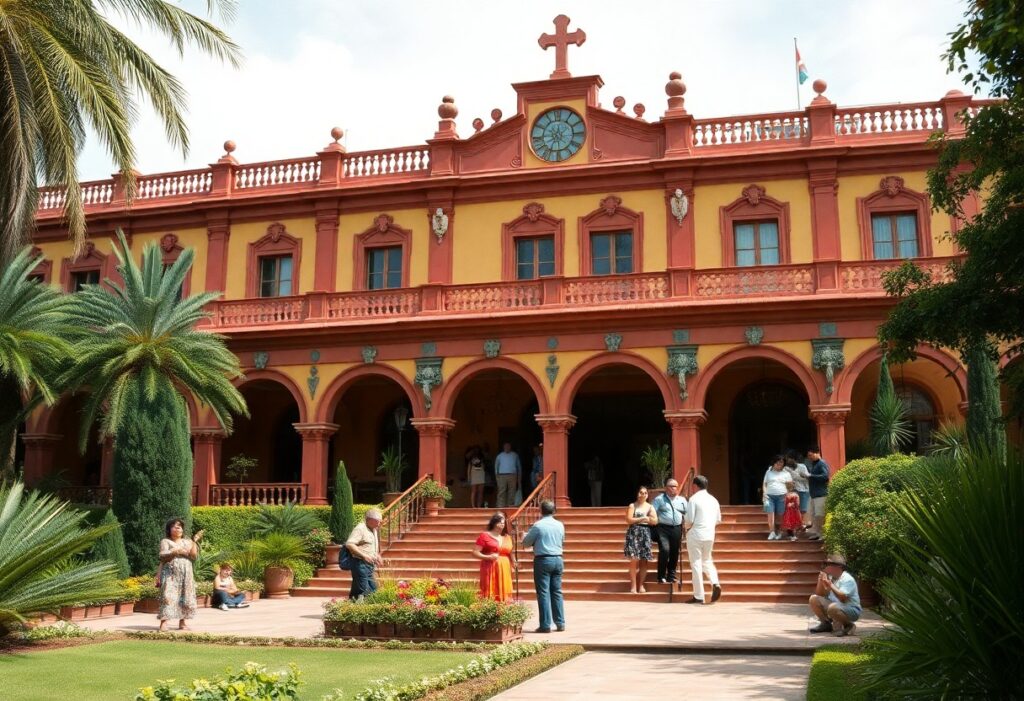
El Jardín and surrounding plazas host the Nov 20 parades, student reenactments, and civic speeches. Monuments to independence-era and revolutionary-era leaders anchor the city’s memory culture—look for statues and plaques honoring Ignacio Allende and, in the broader municipal narrative, references to national figures such as Zapata and Villa.
For a deeper look at civic space and public heritage, see our focused piece on the heart of the city: San Miguel’s Plaza and cultural heritage.
Museums, Schools And Cultural Institutions
Post‑revolution reforms emphasized secular education and cultural institutions. The Instituto Allende and local museums expanded in the decades after 1917, responding to a national push for civic education and arts access. Many local exhibits frame their collections around reform-era social change and agrarian issues.
Community Memory: Parades, Reenactments And Local Rituals
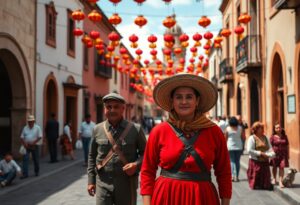
On November 20 each year, schools, civic groups, and charro contingents stage parades and reenactments that dramatize Revolutionary heroes. These events mix patriotic ritual with community celebration—expect student processions, traditional dress, and music. Our practical tips below explain how to join or watch these events.
A Compact Timeline And Its Local Implications
Short Contextual Background (Kept Concise)
National leaders—Francisco I. Madero, Emiliano Zapata, Pancho Villa, and Venustiano Carranza—shaped the Revolution’s aims: political reform, land redistribution and social rights. San Miguel’s local story is not battlefield drama but civic reorganization: the town absorbed national reforms through education initiatives, land claims, and the construction of public memory in plazas and museums.
Practical Advice For Visiting On Or Around Nov 20
If you plan to experience November 20 celebrations, a little planning makes the day easier and richer.
- Book Lodging Early Parades and school events draw families—consider reserving accommodation at least 4–6 weeks in advance. (See city neighborhoods in our main guide: San Miguel overview.)
- Best Viewing Spots El Jardín and the main plaza; streets near the parish church often host formal ceremonies.
- Expect School Participation Many parades are student-led—arrive early for processions and photo ops.
- Transport & Altitude If you’re coming from elsewhere, check our practical transportation and altitude tips: altitude & travel tips.
Where To Read More Or Plan A Longer Historical Visit
For readers who want a fuller account of San Miguel’s past and how Revolutionary-era changes link to colonial roots and UNESCO status, consult the site’s deeper histories and maps:
- History of San Miguel de Allende (detailed) — for community-level timelines and archival references.
- Location and map guide — practical orientation for visiting Revolutionary-era sites and nearby attractions.
Plan Your Visit: One Clear Next Step
If you’re planning a trip focused on Revolutionary memory or visiting during Nov 20, start with our city overview to pick neighborhoods, museums, and hotels: Explore San Miguel’s top sites and stay options.
Frequently Asked Questions
Are There Revolution Reenactments In San Miguel On Nov 20?
Yes—local schools and civic groups stage parades and historical pageants. These are family-friendly and often start in the morning; arriving early gives the best vantage points and photo opportunities.
Which San Miguel Sites Are Most Closely Tied To Revolutionary History?
Look for plaques and municipal records near El Jardín, the city’s municipal building, and smaller local museums that document land reforms and educational initiatives after 1917. For a focused stroll linking architecture and civic memory, see our Plaza guide: Plaza & cultural heritage.
Is It A Good Idea To Visit San Miguel Specifically For Nov 20?
If you appreciate civic rituals, history, and local festivals, Nov 20 offers a vivid, community-focused view of how the Revolution remains part of everyday life. If you prefer quieter visits, choose another date; see our timing and travel guides for seasonality and neighborhood advice: city overview.
This article focuses on San Miguel’s role as a civic stage for the Revolution’s social reforms rather than on national military campaigns—preserving the post‑1917 institutional and cultural legacy that visitors can see today.

Eliot Mercer is an insightful author and local enthusiast, specializing in the vibrant culture and scenic beauty of San Miguel de Allende. With a passion for storytelling, he explores the rich history, diverse arts, and unique lifestyle of this enchanting Mexican town, providing readers with a captivating lens through which to view the community. Through his engaging writing, Eliot invites others to discover the charm and allure of San Miguel de Allende, sharing his personal experiences and deep appreciation for the area’s traditions and modern dynamics.
It’s fascinating to think about the Mexican Revolution as not only a political upheaval but also a profound cultural turning point that resonates to this day, especially in places like San Miguel de Allende. The legacy of leaders like Emiliano Zapata and Pancho Villa is so pivotal—not just in shaping land rights but also in igniting conversations about social justice that continue to evolve.
You bring up such a rich perspective on the Mexican Revolution. It’s true that its impact stretches far beyond the politics of the time. In places like San Miguel de Allende, you can almost feel the spirit of those conversations about identity and justice alive in the community. Those leaders, Zapata and Villa, not only fought for land reform but also sparked a cultural renaissance that emphasized a deep sense of belonging and community.
It’s great to hear your thoughts, and you’re spot on about the broader implications of the Mexican Revolution. The energy in places like San Miguel de Allende really does reflect a unique blend of history and modern life, doesn’t it? The conversations around identity and justice are still part of the community’s fabric, and it’s fascinating how those early struggles continue to resonate.
You’ve hit the nail on the head! It’s wild how the Mexican Revolution was this epic clash of power, but it also turned into a cultural renaissance. I mean, San Miguel de Allende didn’t just pop up as a charming artsy hub overnight; it’s practically sipping its café de olla while basking in the glow of revolutionary history.
You’re so right; the Mexican Revolution was such a rich tapestry of conflict and creativity. It’s fascinating how events that are often marked by violence can also nurture artistic expression. San Miguel de Allende is a perfect example of that duality. I’ve always felt that places steeped in history, like San Miguel, have this unique vibrancy, almost as if they hold the whispers of the past within their streets and walls.
You’ve brought up some fantastic points about the dual nature of the Mexican Revolution. It’s striking how such a tumultuous time led to an outpouring of creativity. When you think about it, revolutions typically disrupt more than just political structures; they also shake up cultural norms, allowing people to explore new ideas and forms of expression.
“Absolutely! If you’re curious to dive deeper into this captivating blend of history and culture, check out this link for more fascinating insights!”
https://fallinginlovewithsanmiguel.com/book-attractions
It’s fascinating to think about how the Mexican Revolution not only reshaped politics but also turned cities like San Miguel de Allende into cultural beacons. The blend of history and creativity there is something special. Artists and creatives have always found inspiration in the stories of struggle and resilience that emerged from that era.
“Absolutely! If you want to dive deeper into the rich tapestry of that era and explore more about the vibrant arts scene in San Miguel de Allende, check this out!”
https://fallinginlovewithsanmiguel.com/book-flight
You’re spot on about the dual nature of the Mexican Revolution. It was such a massive shift in power, and while the battles and politics are what often steal the spotlight, it’s fascinating to see how that turmoil laid the groundwork for cultural flourishing. San Miguel de Allende is a perfect example; its cobblestone streets and vibrant art scene are almost like echoes of that rich history.
“Absolutely! If you’re curious to dive deeper into this fascinating blend of revolution and culture, check out this link for more insights!”
https://fallinginlovewithsanmiguel.com/book-flight
You’ve got it right! It’s like the Mexican Revolution was a potent cocktail—half power struggle, half cultural rejuvenation, with a dash of art and a sprinkle of rebellion. San Miguel de Allende is a classic case of how history has this sneaky way of influencing the present. The cobblestone streets didn’t just get their charm from a historic backup plan; they were walked by artists and revolutionaries alike, sipping café de olla and dreaming of a brighter tomorrow.
¡Totalmente! Si quieres explorar más sobre cómo la Revolución Mexicana dio forma a la cultura y el arte en lugares como San Miguel de Allende, no te pierdas este enlace fascinante.
https://fallinginlovewithsanmiguel.com/seasonal-and-events
You’ve touched on something really important with your observation about the Mexican Revolution. It’s not just an event in history; it’s a cultural thread that weaves through so much of Mexican life today. When you walk through a place like San Miguel de Allende, you can feel the echoes of that time in the vibrant art, in the discussions about community, and even in how people celebrate their heritage.
You’ve really captured how the Mexican Revolution continues to resonate today. It’s fascinating how historical events can leave such a lasting impact on culture and community identity. In San Miguel de Allende, the vibrant art scene isn’t just a creative outlet; it serves as a form of storytelling that connects generations. Local artists often draw inspiration from the revolution, using their work to comment on contemporary social issues and engage the community in discussions about equality and justice.
You’ve raised some really compelling points about the ongoing influence of the Mexican Revolution, particularly in places like San Miguel de Allende. It’s amazing how art can serve as a bridge between past and present, allowing the stories of those who fought for change to echo through time. Artists in this town really do find that sweet spot where personal expression meets broader social commentary.
“To explore more about how the rich tapestry of San Miguel de Allende’s art scene reflects its historical roots, check out this insightful resource!”
https://fallinginlovewithsanmiguel.com/book-attractions
You’re spot on about the Mexican Revolution being more than just a historical event; it really is a living part of the culture today. In places like San Miguel de Allende, the way history seeps into everyday life is truly fascinating. The vibrant murals and local artwork often tell stories not just of the past, but of ongoing struggles and celebrations that resonate with people’s experiences.
The profound legacy of the Mexican Revolution resonates not only in the streets of San Miguel de Allende but in the collective consciousness of the Mexican people today. It’s fascinating to reflect on how this movement, rooted in the struggle against inequality and political repression, set a precedent for social movements across Latin America and even globally. The icons of the revolution, like Emiliano Zapata and Pancho Villa, embody the spirit of social justice that transcends time, encouraging modern-day activists to continue fighting for equitable treatment and rights in the face of various forms of oppression.
You’ve nailed it! The Mexican Revolution was like the original social media for activism—it sparked conversations about justice long before hashtags became a thing. Sure, Zapata and Villa were not the first folks to take up the cause, but they sure made it fashionable. Imagine if they had TikTok back then; we’d be scrolling through their revolutionary dance challenges!
“Discover how the enduring spirit of the Mexican Revolution continues to inspire social change today—join us in exploring this vital legacy!”
https://fallinginlovewithsanmiguel.com/book-attractions
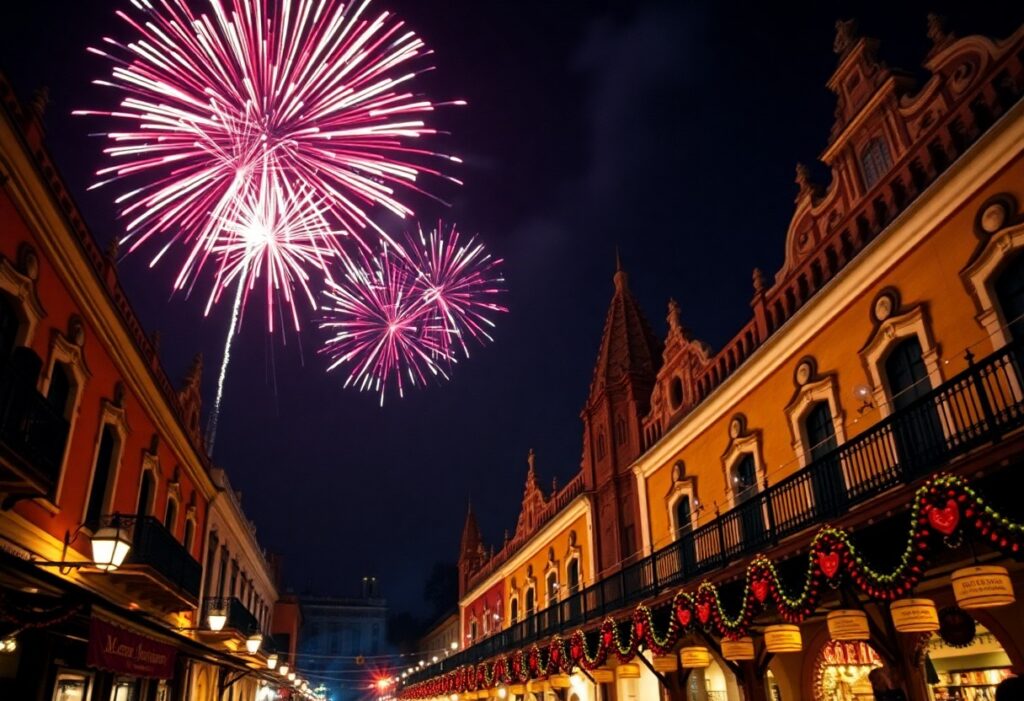
It’s fascinating to see how the Mexican Revolution not only reshaped the political landscape but also the cultural identity of places like San Miguel de Allende. I recently had the chance to visit the city and experienced firsthand the vibrant celebrations that accompany the anniversary of the revolution. The parades and reenactments brought the history to life, making the sacrifices of leaders like Zapata and Villa feel incredibly relevant even today.
Experiencing the vibrant celebrations in San Miguel de Allende must have been something special. The way the city honors its history during the anniversary of the Mexican Revolution is a beautiful blend of reverence and joy. It’s not just about the parades and reenactments; it’s about how those moments connect the past to the present and inform the cultural identity of the people living there today.
The Mexican Revolution truly marked a turning point not just for Mexico, but for many other movements advocating social justice and land reform worldwide. The legacy of leaders like Emiliano Zapata and Pancho Villa resonates deeply today, especially as issues of inequality and land rights remain pertinent in various regions. I find it fascinating how San Miguel de Allende’s vibrant celebrations on November 20 encapsulate this history, serving both as a remembrance and as a living embodiment of community resilience. It’s interesting to consider how the revolution’s spirit influences contemporary social movements in Mexico and beyond, particularly in the face of modern challenges like urbanization and climate change. How do you think the lessons learned from the revolution could shape today’s approaches to social equity and environmental sustainability?
You make some excellent points about the enduring impact of the Mexican Revolution on movements for social justice and land reform. The stories of Emiliano Zapata and Pancho Villa are more than just historical narratives; they serve as symbols of struggle and resilience that continue to inspire many today.
You’ve captured something really profound about how the Mexican Revolution resonates far beyond its historical context. The stories of Emiliano Zapata and Pancho Villa certainly embody the struggle for justice and equity that many continue to fight for today. I often think about how their legacies transcend not just national borders but also the boundaries of time. It’s striking how movements around the world, whether in the context of land reform or broader social justice, draw inspiration from their courage and determination.
You raise some compelling points about the far-reaching impact of the Mexican Revolution. The figures of Emiliano Zapata and Pancho Villa certainly have become symbols not just in Mexico, but around the world for those fighting against oppression and for equitable land reform. It’s powerful to think about how their legacy continues to inspire modern movements, especially when we look closely at issues like inequality and land rights that persist today.
You’re bringing up some important points about the enduring legacy of figures like Emiliano Zapata and Pancho Villa. Their stories resonate deeply, not just within the context of the Mexican Revolution, but across various struggles for social justice and reform around the world.
You’ve touched on some important points. The Mexican Revolution truly reshaped not just Mexico but provided a blueprint for struggles around the world. Leaders like Zapata and Villa championed the rights of the marginalized, and their legacy continues to inspire contemporary movements fighting against inequality and advocating for land rights.
“Exploring the impact of the Mexican Revolution on today’s social movements can provide valuable insights into addressing contemporary challenges. Discover more about this fascinating history and its relevance to modern issues by checking out our latest article!”
https://fallinginlovewithsanmiguel.com/book-flight
Isn’t it fascinating how a century later, we’re still unpacking the layers of the Mexican Revolution? It’s like a never-ending telenovela, full of plot twists! While Zapata and Villa were busy fighting for land rights, I can’t help but imagine all the local coffee shops that sprouted in their wake, each serving revolutionary lattes and social justice scones. 😄
It’s refreshing to see how the Mexican Revolution continues to inspire such vibrant discussions, blending history with our daily lives in unexpected ways. The imagery of revolutionary lattes and social justice scones perfectly captures the essence of how history seeps into our culture. Those figures like Zapata and Villa weren’t just shaping the political landscape; they also sparked a broader conversation about justice, identity, and community that resonates in coffee shops and cafes across Mexico and beyond.
“Absolutely! The echoes of the Revolution still inspire creativity today. If you’re curious about how those struggles shaped our modern culture, check out this insightful piece on the enduring legacy of the Mexican Revolution!”
https://fallinginlovewithsanmiguel.com/book-attractions
It really is fascinating, isn’t it? The layers of the Mexican Revolution resonate so differently with each generation. Just like a telenovela, the characters and their struggles feel incredibly relatable even today. The legacy of Zapata and Villa transcends their time, echoing in contemporary movements for land rights and social justice across the globe.
Your reflection on the Mexican Revolution and its enduring influence in San Miguel de Allende really resonated with me. It’s fascinating to consider how the events of 1910 still shape the identities and practices of communities today. The way you’ve highlighted the ongoing celebrations and reenactments serves as a beautiful reminder of how history can be actively commemorated and integrated into daily life.
It’s heartening to know that my reflections hit home for you. The Mexican Revolution, with its explosion of color and conflict, still feels like a lively ghost—one that refuses to dim or vanish, especially in places like San Miguel de Allende. You’ve got it right; the way the locals keep history alive through celebrations and reenactments is like a theatrical play that never quite closes its curtains.
It’s great to hear that my reflections struck a chord with you. The interplay between history and community in places like San Miguel de Allende is truly compelling. What often stands out to me is how these celebrations act as a bridge between generations. Young people engaging in reenactments not only learn about their past but also reimagine their roles in today’s society.
It’s fascinating how the Mexican Revolution not only reshaped the nation but also continues to resonate in contemporary society. I’ve always been intrigued by the impact of historical movements on local culture and identity. In places like San Miguel de Allende, it’s more than just a commemoration; it’s a vital part of community narrative and pride.
This exploration of the Mexican Revolution provides an essential reminder of how deeply historical contexts influence contemporary culture and identity, particularly in cities like San Miguel de Allende. The legacy of leaders like Emiliano Zapata and Pancho Villa is not merely confined to the pages of history; their ideologies regarding land reform and social justice echo in modern discussions about inequality and rights.
You bring up an interesting point about the Mexican Revolution and its lasting impact on cities like San Miguel de Allende. It’s fascinating how history isn’t just a series of events tucked away in textbooks; it’s alive and breathing in the culture and conversations of today. The influences of figures like Emiliano Zapata and Pancho Villa really do ripple through time, shaping discussions not just about land reform but about what rights mean in the context of our current struggles with inequality.
You make an excellent point about how the Mexican Revolution continues to echo through modern discussions. It’s striking how historical figures like Zapata and Villa are not merely relics of the past but are embedded in the contemporary fabric of society. Their struggles for land reform resonate today, especially in conversations about social justice and economic inequality.
It’s interesting how history shapes our daily conversations in such profound ways. When we think about figures like Zapata and Villa, they aren’t just icons from a dusty textbook; they symbolize ongoing struggles that many still face today. Their fight for land and justice speaks volumes about our current issues with inequality and access to resources.
Your insights into the Mexican Revolution and its lasting impact on cities like San Miguel de Allende really resonated with me. It’s fascinating to think about how events over a century ago can still shape society today. The stories of iconic figures like Emiliano Zapata and Pancho Villa highlight the deep struggles for social justice and land rights that are still relevant in many parts of the world.
Your exploration of the Mexican Revolution truly resonates, especially considering how its historical ripples continue to influence contemporary Mexican society. Growing up in a culturally rich community that celebrates events like Día de los Muertos, I’ve often reflected on the tapestry of history that shapes our identities. The legacy of figures like Emiliano Zapata and Pancho Villa is not just a chapter in history books; it’s the foundation of ongoing struggles for social justice and equality that are still relevant today.
It’s great to hear that my exploration of the Mexican Revolution struck a chord with you. You bring up an important point about how history isn’t just a series of events that happened in the past; it’s something that seeps into our lives today. It’s fascinating how the legacy of figures like Emiliano Zapata and Pancho Villa continues to inspire movements for social justice and equality in Mexico and beyond. When you look at the ongoing struggles for land rights, indigenous empowerment, and equitable access to resources, you can see their influence alive and well.
You’re spot on about the ongoing relevance of the Mexican Revolution. It’s intriguing how historical figures like Zapata and Villa have become symbols of resistance, transcending their time to echo in contemporary social movements. Their legacies highlight the enduring struggle for equity, which feels especially relevant today given the rising awareness around social justice issues globally.
The Mexican Revolution’s ongoing influence in cities like San Miguel de Allende is truly fascinating. It’s striking how the struggles for land rights and social justice continue to resonate today, particularly in the context of modern movements advocating for equity and inclusion. The legacy of leaders like Zapata and Villa inspires contemporary activists who seek to address issues of inequality around the globe.