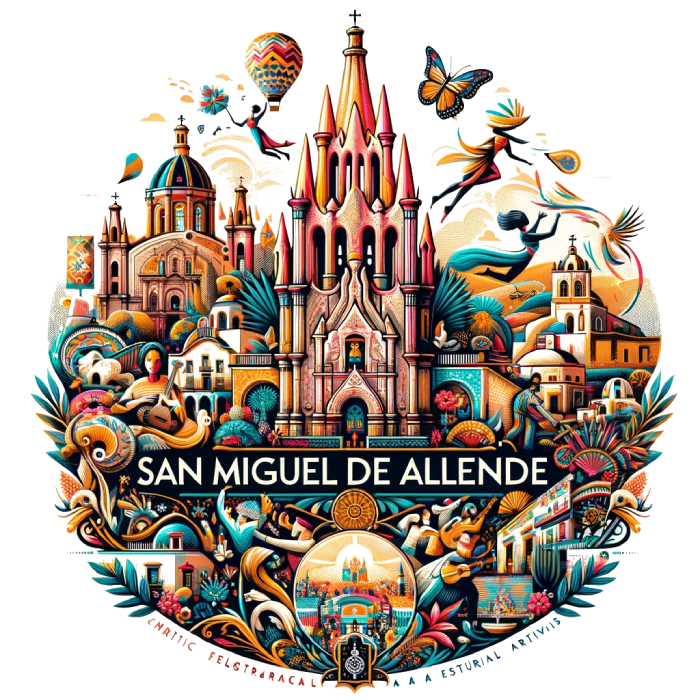
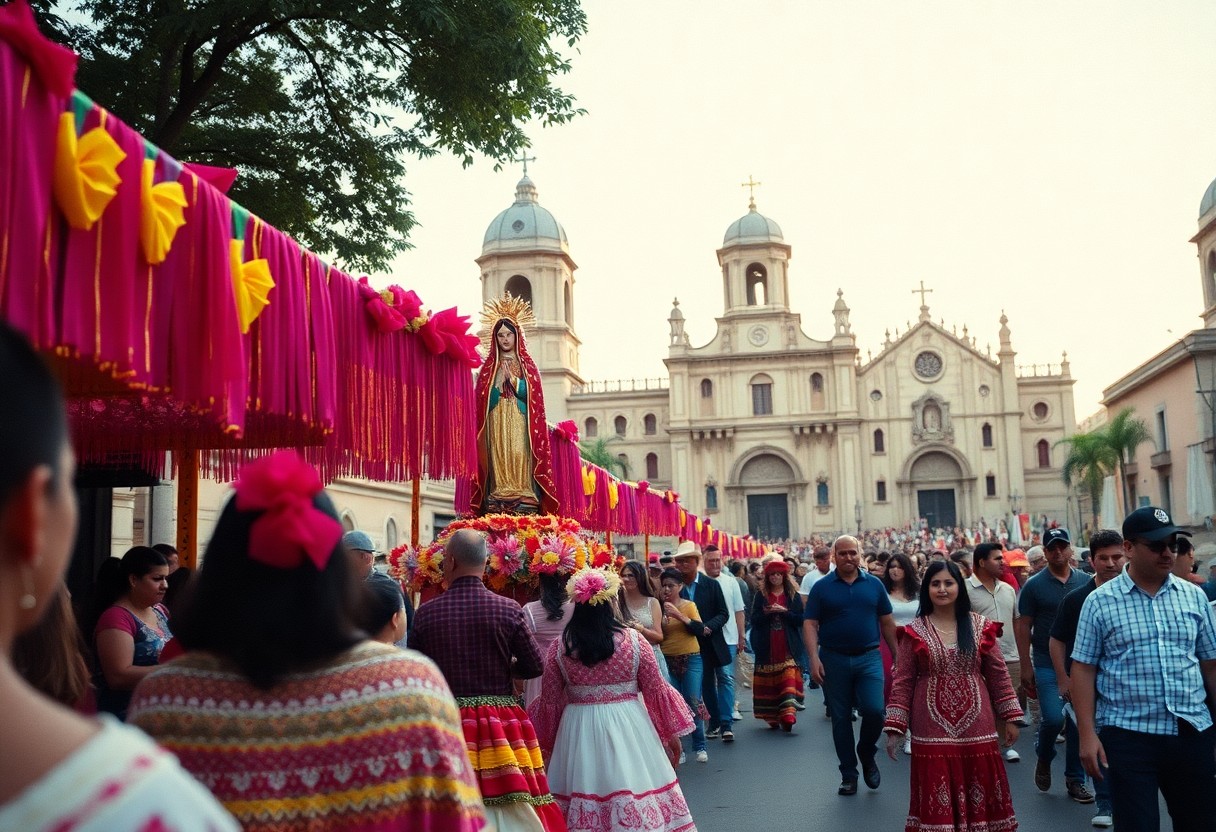
December 12 is the city’s largest annual Marian celebration: expect dawn processions, evening masses, candles and flowers, and pockets of pilgrimage across San Miguel’s historic centre.
If you want a broad calendar of city festivals and events to pair this visit with other dates, check the site’s events hub early in your planning at San Miguel de Allende — Events.
Best Viewing Spots (At A Glance)
| Spot | Why it works | Best time |
|---|---|---|
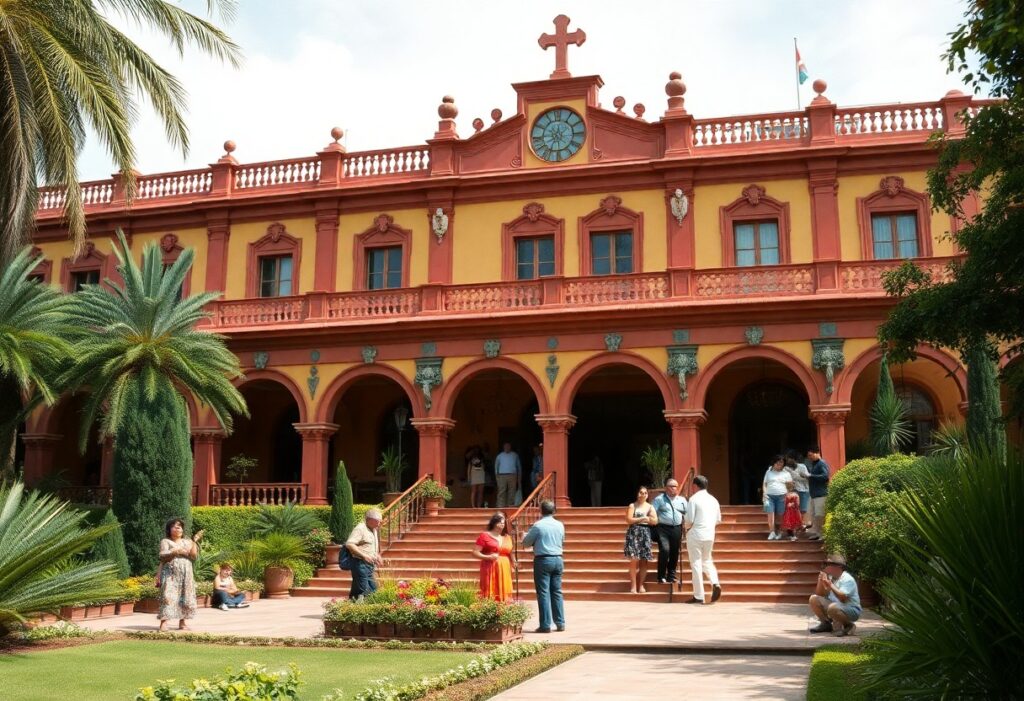
| Parroquia de San Miguel (El Jardín) | Central processions and evening vigils; iconic backdrop for photos. | Dawn & evening |
| Neighborhood chapels (colonias) | Intimate, authentic processions and offerings. | All day |
| El Santuario de Atotonilco (outside town) | Pilgrim destination with historic murals and large gatherings; plan for transport. | Morning |
For more on the city’s churches and where processions start, read our piece on San Miguel churches, which lists chapels and their schedules.
What To Expect And How Locals Observe
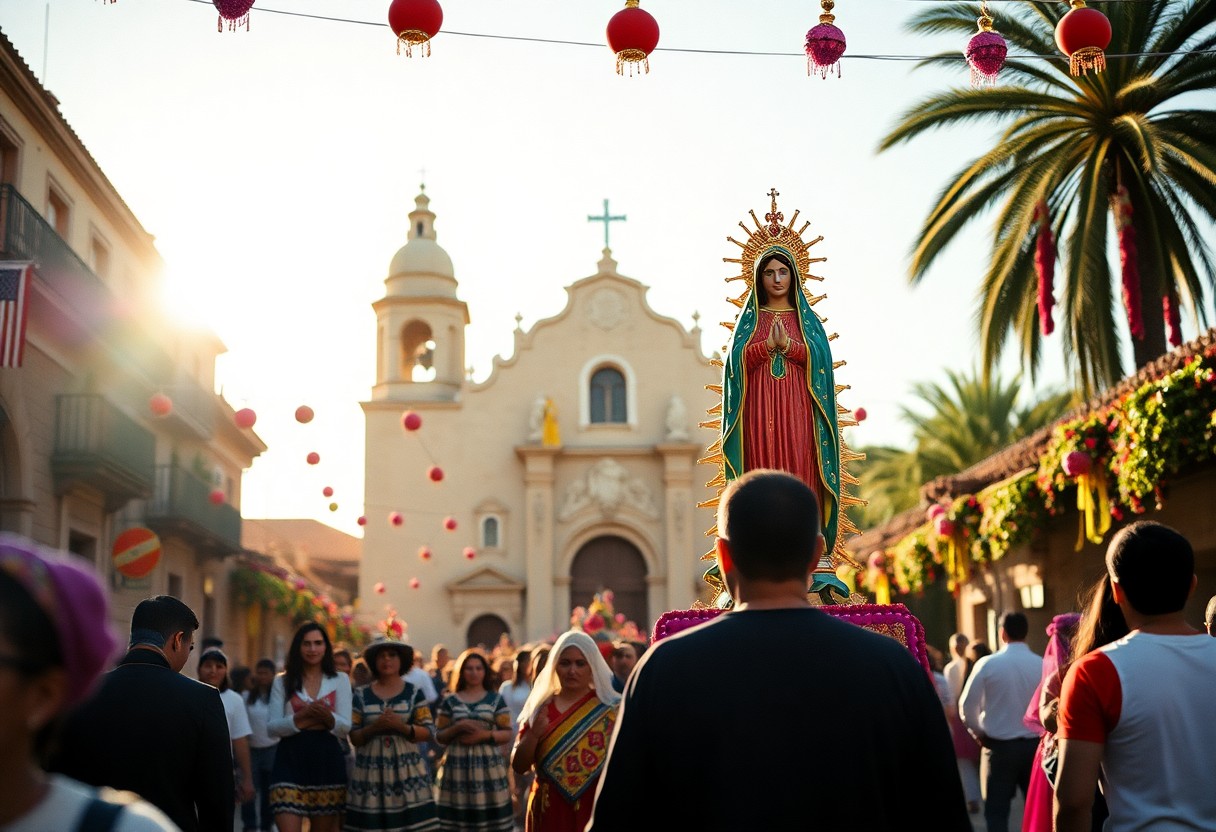
Expect floral offerings, candles, traditional music (mariachis and local ensembles), and a mix of public processions and private devotion. Pilgrims arrive on foot, carrying images and candles; some complete vows called “mandas”—a visible, emotional part of the day.
Visitor Checklist + 24 — 48 Hour Suggested Itinerary
- Arrive early to secure a safe viewing point and avoid the densest crowds.
- Respect ceremonies: dress modestly, ask before photographing individuals, and keep voices low indoors.
- Set a clear meeting point with companions; mobile reception can be spotty in crowds.
48‑hour Itinerary For Out-Of-Towners
Practical Logistics, Transport And Safety
Book a hotel near the Centro if you want to walk to main events; otherwise expect traffic and limited parking. For advice on neighborhoods and safety tips during busy events see San Miguel safety guide and our travel essentials page for packing and altitude notes.
If you’re organizing around other cultural events, our events hub lists seasonal highlights and helps avoid schedule conflicts: See upcoming events.
A Short Local History (Why Dec 12 Matters)
The devotion to the Virgen de Guadalupe traces to 1531 and Juan Diego’s apparition at Tepeyac. Over centuries the image has become a national symbol of faith and identity; in San Miguel the tradition blends indigenous and Catholic practices and draws families and pilgrims into public, community acts of devotion.
Our events pages include film and arts programming that overlap with holiday weekends—useful if you’re extending your stay: Film festivals & arts calendar.
Frequently Asked Questions
What Day Is The Virgen De Guadalupe Celebrated?
December 12 is the feast day, with pilgrimages and local events often building in the week beforehand.
¿Dónde Se Celebra La Fiesta En San Miguel?
En el centro (la Parroquia y El Jardín), en capillas de barrios y en el Santuario de Atotonilco; busque procesiones locales en los días previos.
Is It Safe To Attend As A Visitor?
Yes—most visits are peaceful. Follow basic crowd-safety steps: arrive early, keep valuables secure, and follow staff or police directions; see our full safety guide for details.
See also: Where to stay in San Miguel and a guide to the churches for service times and procession origins.
If you’re planning travel that pairs cultural festivals with film or arts programming, explore our curated events coverage at Film festivals in San Miguel for dates and ticket hints.

Clara Beaumont is a distinguished author and cultural enthusiast based in San Miguel de Allende. With a passion for exploring the diverse aspects of this vibrant city, she writes engaging pieces that illuminate its history, art, and community. Clara’s work aims to inspire both residents and visitors, fostering a deeper appreciation for the unique charm and rich stories that San Miguel de Allende has to offer.
The celebration of the Virgen de Guadalupe truly highlights the rich tapestry of Mexican culture and spirituality. Having visited San Miguel de Allende during this time, I was struck by how the community comes together in such a profound display of faith and tradition. The combination of the vibrant processions with traditional music creates an atmosphere that feels both festive and deeply reverent.
It’s interesting how the celebration of the Virgen de Guadalupe can really bring out the essence of community in places like San Miguel de Allende. The way you described the processions and music makes me think about the blend of heritage and spirituality in Mexican culture. It’s almost like a living museum, where every sound and color tells a story.
What a beautiful reminder of how culture and spirituality intertwine! I’ve always found it fascinating that such a powerful indigenous symbol, like the Virgen de Guadalupe, has managed to connect a wide array of people, transcending generations. The story of Juan Diego and the tilma feels like one of those classic tales that demonstrates both faith and the importance of community.
The connection between culture and spirituality is such a rich topic to explore. The Virgen de Guadalupe is indeed a remarkable figure in this respect. Her story, especially how it relates to Juan Diego, embodies themes of hope, resilience, and unity that resonate across diverse communities.
It’s interesting how the Virgen de Guadalupe’s story resonates differently depending on one’s background and beliefs. Many view it purely as a tale of faith and community, but digging deeper reveals layers of complexity. The symbol of the Virgen has been co-opted and reinterpreted across various contexts, which raises questions about authenticity and ownership.