San Miguel de Allende lights up in December and its food scene becomes a living holiday menu—think tamales, romeritos, bacalao, warm ponche and crispy buñuelos. For quick planning, see our short decision box below and the concise table of where to try each item.
If you only try three things: start with tamales, romeritos, and buñuelos. For a warming sip, grab a cup of ponche navideño while you stroll Centro.
Read holiday tips to time your visit and avoid the busiest nights.
| Dish | Flavor profile | Where to try (local picks) | Typical price |
|---|---|---|---|
| Tamales | Savory or sweet masa with fillings (mole, pork, chicken) | Mercado Ignacio Ramírez stalls; Jardín Principal vendors | USD $1–3 each |
| Romeritos | Earthy greens in mole with potatoes and dried shrimp | El Pegaso; traditional-home style restaurants in Centro | USD $8–15 |
| Bacalao a la Vizcaína | Tangy, tomato-based salted cod stew with olives and capers | The Restaurant (holiday menu); family-style tables | USD $12–25 |
| Ponche navideño | Warm spiced fruit punch with tejocotes, guava and cinnamon | Street vendors in Jardín Principal; market stalls | USD $1–3 per cup |
| Buñuelos | Crispy fried dough, cinnamon sugar or syrup | Jardín Principal stalls; bakeries (see local bakeries) | USD $1–5 |
Where To Taste Holiday Food: Markets, Restaurants And Street Stalls
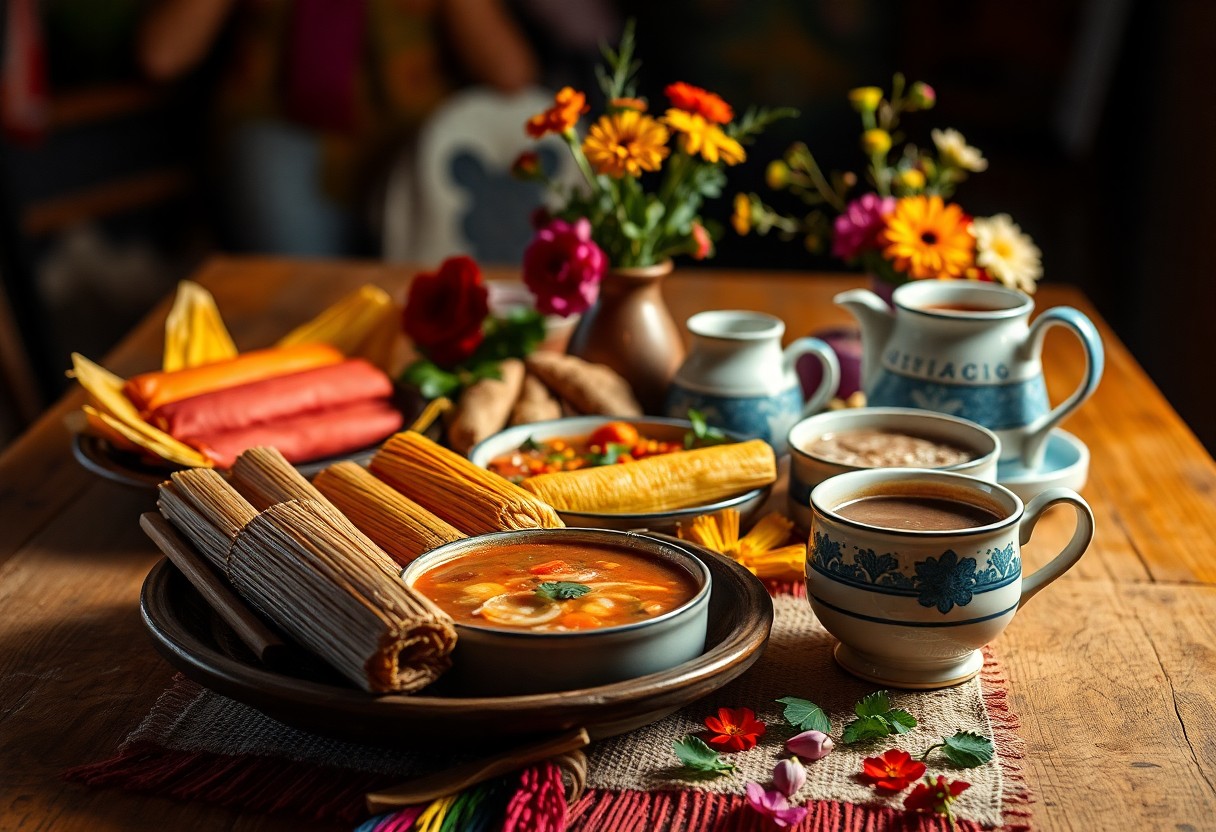
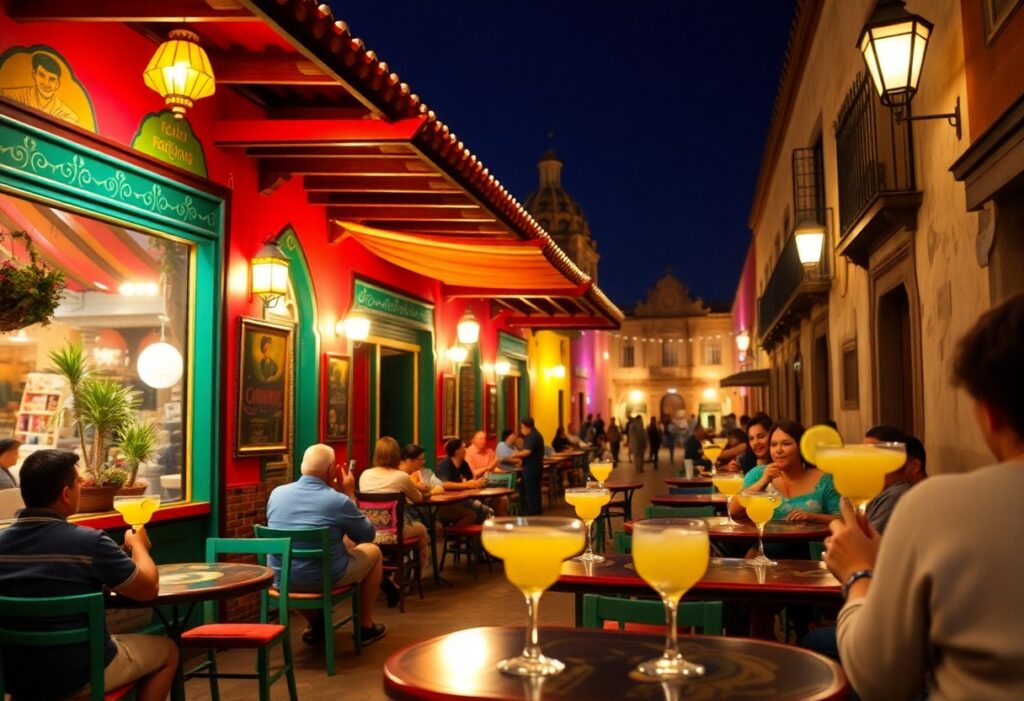
For the most authentic experience, split your tastings between Centro’s markets and a few sit-down restaurants. Mercado Ignacio Ramírez is the December epicenter for vendors selling freshly made tamales and cups of ponche; the Jardín Principal fills nightly with buñuelo and ponche stands under the lights. For sit-down romeritos and bacalao, check seasonal menus at neighborhood restaurants — local favorites include the town’s top dining picks and El Pegaso.
If you prefer structured discovery, consider a culinary tour to sample multiple dishes in a single evening; see local culinary tour options that run special holiday routes.
Quick Neighborhood Guide & Seasonal Timing
- Centro / Jardín Principal — best for street food, evening vendors and atmosphere.
- Mercado Ignacio Ramírez — tamales, ponche and most affordable choices.
- Restaurant Row (Centro) — sit-down romeritos and bacalao on holiday menus.
When To Go
Peak festive season runs early December through January 6 (Three Kings). Posadas (the nine nights before Christmas) and the evenings around December 12–25 are busiest—book restaurants 2–3 weeks in advance for dinner reservations during that window.
Short Cultural Context And What Makes These Dishes Holiday Staples
These foods are tied to Mexican holiday rituals: tamales are traditionally prepared in groups for family gatherings; romeritos and bacalao reflect colonial-era ingredients and recipes shared at Christmas tables; ponche is a warming drink for posadas and outdoor evening celebrations; and buñuelos are a celebratory sweet often sold at fairs and plazas. That history is part of the joy of tasting them in town.
Dish-By-Dish Notes (How To Order And What To Expect)
Tamales
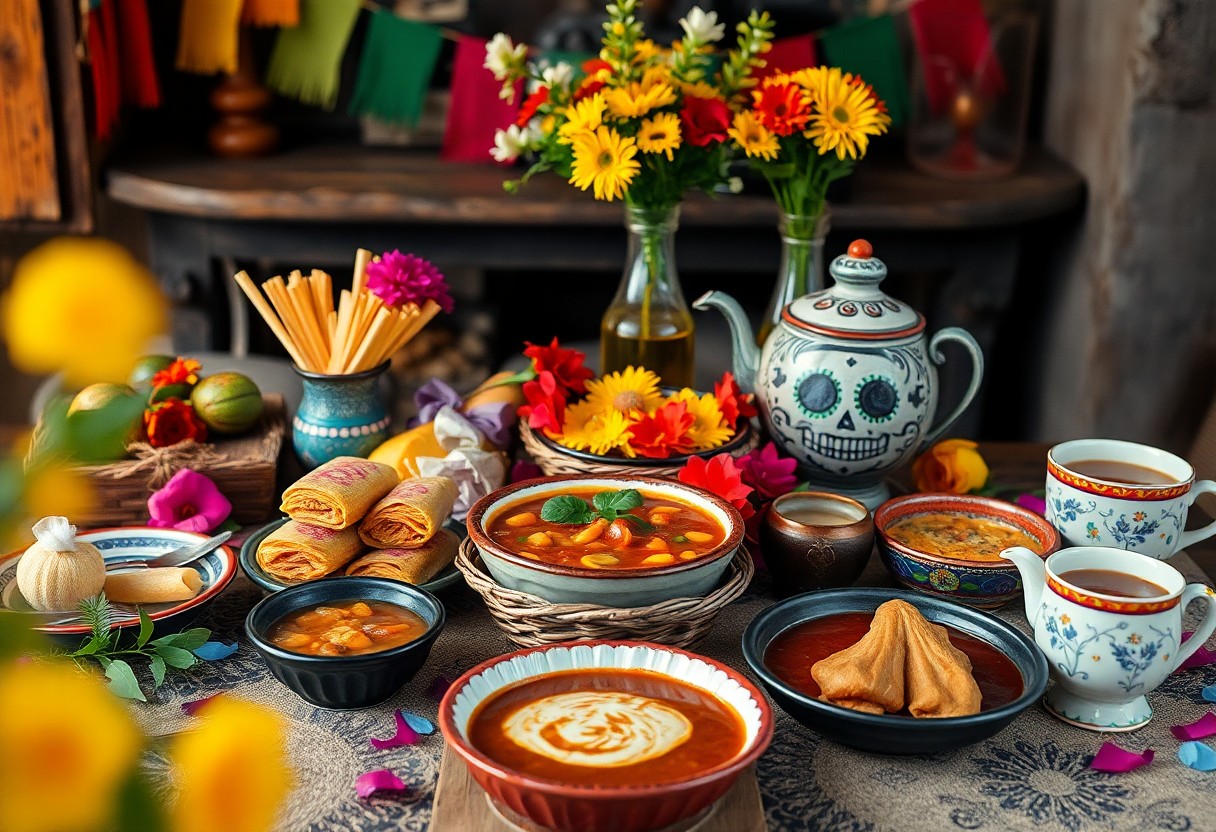
Order tamales fresh at market stalls—common fillings are pork in red salsa, chicken in green salsa, mole, or sweet tamales with cinnamon and raisins. They’re handheld, inexpensive, and eaten any time of day. Ask vendors whether they use banana leaves or corn husks for the wrapping; both are traditional.
Romeritos
Romeritos are a winter-only specialty made with a local leafy green (not true rosemary) braised in mole with potatoes and dried shrimp patties. This is a seasonal plate often featured on restaurant holiday menus; for a fuller cultural explanation, see our cultural guide.
Bacalao A La Vizcaína
A Spanish-influenced salted cod dish simmered in tomatoes, olives and capers—served at family-style dinners. Expect heartier, plated servings in restaurants rather than markets.
Ponche Navideño
Warm, lightly sweet and spiced: tejocotes, guavas, hibiscus, cinnamon and sugarcane are common. Vendors serve it by the cup; if you want the authentic clay-cup experience look for stalls in the Jardín Principal.
Buñuelos
Sold hot from carts and bakeries, buñuelos are fried rounds dusted with cinnamon sugar or drizzled with syrup. They make an ideal late-evening snack after attending a posada or market stroll; local bakeries also sell packaged versions to take home—see our bakery round-up.
Practical Tips For Food Safety, Budgeting And Timing
- Choose vendors with high turnover and visible cooking; ask for tamales made that morning.
- Carry small bills: many stalls are cash-first, especially for tamales and ponche.
- Expect higher prices at sit-down restaurants during the holidays—reserve early for popular nights.
- If you’re sensitive to spice or seafood, ask about shrimp in romeritos and salt levels in bacalao.
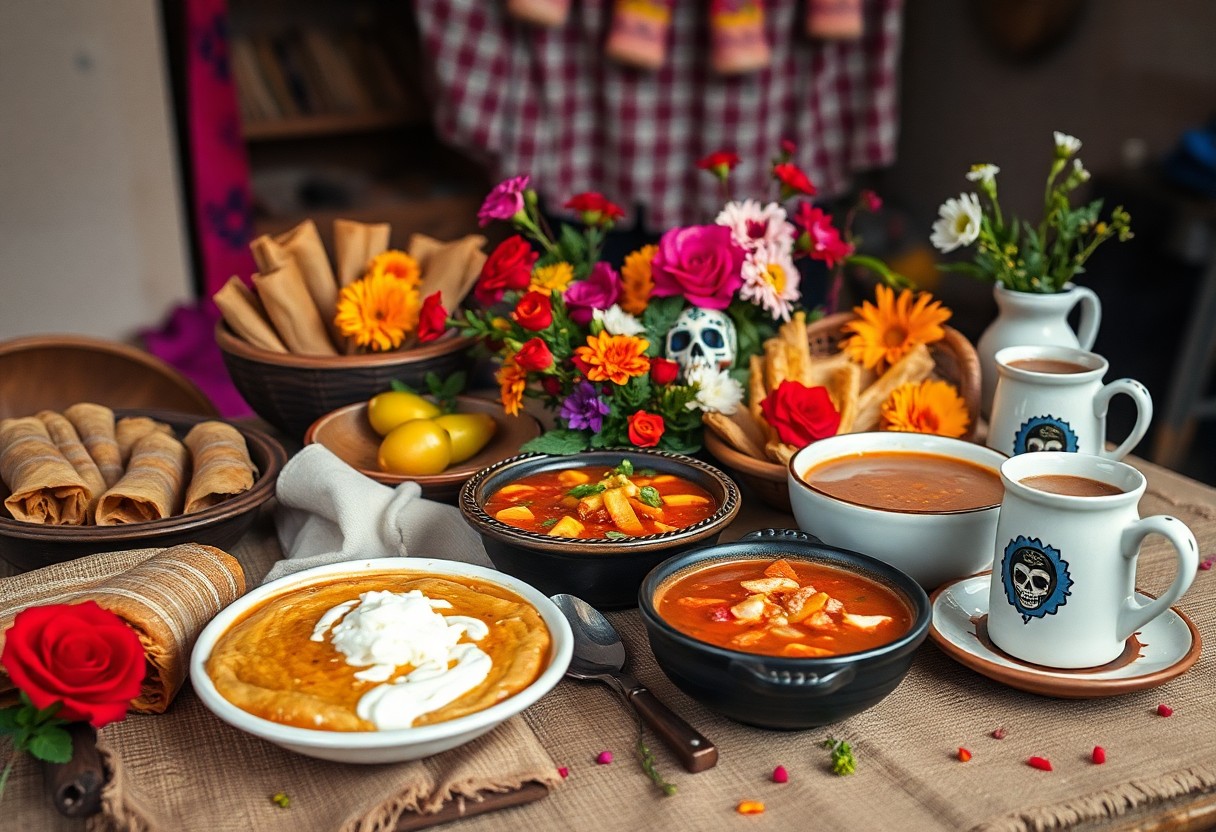
Start at Mercado Ignacio Ramírez for tamales and ponche, move through the Jardín Principal for buñuelos at night, and book one evening at a sit-down restaurant for romeritos and bacalao. For neighborhood walking suggestions and activity pairings, see our guide to the best ways to explore San Miguel.
Our best-ways-to-explore page includes walking routes and evening plans that pair perfectly with holiday eats.
Frequently Asked Questions
What Are The Must-Try Festive Dishes In December?
Tamales, romeritos, bacalao a la Vizcaína, ponche navideño and buñuelos are the top festive dishes to sample.
Where Can I Find Authentic Tamales During The Holidays?
Mercado Ignacio Ramírez and Jardín Principal vendors are the most reliable for freshly made tamales in December.
Are Romeritos Available Year-Round?
Romeritos are seasonal and peak during the Christmas period—look for them on holiday menus in December.
Is Street Food Safe To Try In San Miguel?
Yes—choose vendors with visible cooking, hot food, and high turnover; carry hand sanitizer and tap water bottles if you’re cautious.
How Much Should I Budget For A Festive Food Night?
Casual stalls: USD $5–12 per person; sit-down festive dinner: USD $20–50 depending on restaurant and drinks.
Are Markets And Vendors Open On Christmas Day?
Many stalls operate through the holidays, but hours vary—plan for reduced hours on December 25 and check local listings or the holiday guide for event dates.

Clara Beaumont is a distinguished author and cultural enthusiast based in San Miguel de Allende. With a passion for exploring the diverse aspects of this vibrant city, she writes engaging pieces that illuminate its history, art, and community. Clara’s work aims to inspire both residents and visitors, fostering a deeper appreciation for the unique charm and rich stories that San Miguel de Allende has to offer.
What a delightful exploration of the culinary wonders that grace the holiday season in San Miguel de Allende! It’s remarkable how food has the power to evoke memories and foster connections to our culture and traditions.
Your vivid description of the culinary delights in San Miguel de Allende during the holiday season really resonates with me. It’s fascinating how traditional food not only nourishes the body but also connects us to history and culture. Growing up in a family that cherished these holiday rituals, I recall countless hours spent in the kitchen, where my abuela would teach us the art of making tamales and buñuelos. Each layer of flavor and technique shared in those moments deepened our understanding of what these dishes represent: family, community, and celebration.
Your reflections on holiday traditions, especially with your abuela, highlight the heart of what makes culinary experiences so meaningful. There’s something truly special about the rituals that accompany preparing traditional foods like tamales and buñuelos. Each recipe often carries the weight of stories, passed down through generations, shaping not just our palates but also our identity and sense of belonging.
It’s interesting how food can weave together so many memories and experiences, isn’t it? Your recollections of making tamales and buñuelos with your abuela really resonate with my own experiences. I remember the scent of masa filling the kitchen during the holidays, and the way laughter and stories would flow as we worked side by side.
You’ve captured something so special with your memories. The way food sparks those deep-rooted connections can be quite profound. It’s almost magical how the scent of masa can transport us back to a time filled with warmth and laughter, isn’t it? For me, that experience is tied to the rhythm of cooking with my abuela—how her gentle guidance would blend with our conversations, turning what could have been just another chore into a joyful ritual.
You’ve hit on such a wonderful truth about cooking and memory. There’s something about the aroma of certain foods that just clicks into place, activating those heartwarming thoughts of family and shared moments. I can almost picture your abuela in the kitchen, her presence transforming what might feel like a mundane task into something vibrant.
“Absolutely, those moments in the kitchen truly hold a special kind of magic! If you’re looking to recreate that warmth and joy in your own cooking, check out this link for some inspiration.”
https://fallinginlovewithsanmiguel.com/tours-and-excursions
You’re so right about how food can stitch together our memories and experiences. It’s amazing how a simple ingredient like masa can hold so much significance, isn’t it? I can almost smell it now, mixed with the warmth of the kitchen and the sound of family sharing stories. Those moments with my abuela were never just about making tamales or buñuelos; they were about connecting, passing down traditions, and soaking up all the little details that come with each recipe.
Absolutely! Food really has a way of connecting us to our past. If you’re eager to recreate those cherished moments, you might find some inspiration in this collection of traditional recipes.
https://fallinginlovewithsanmiguel.com/book-flight
It’s wonderful to hear how those memories with your abuela have shaped your understanding of holiday traditions. Cooking, especially in family settings, is such a rich narrative fabric that weaves together history, flavors, and love.
Your reflection on the culinary traditions surrounding the holiday season carries a depth that resonates with many of us, especially those who have similar experiences. There’s something deeply poignant about the role food plays during this time; it’s not just about the flavors but the memories crafted in the process of making and sharing meals.
Your description of the holiday flavors in San Miguel de Allende truly captures the essence of the season. It’s fascinating to think about how foods like romeritos and bacalao a la vizcaína not only serve as delicious offerings but also as cultural touchstones that preserve history and community bonds. I particularly appreciate how traditional recipes often evolve with each generation, reflecting both nostalgia and innovation.
I love how you captured the essence of holiday flavors in San Miguel de Allende! It’s such a magical time, especially with all the vibrant colors and sounds of the city. I remember stumbling upon a local market last year, and the smell of fresh tamales wafting through the air had me hooked. The excitement of trying different fillings was like a mini-adventure on its own!
The vibrant culinary landscape of San Miguel de Allende during the holiday season truly highlights how food can serve as a window into cultural traditions and community spirit. I remember my own visit during the holidays a few years ago, where the mingling aromas of freshly prepared tamales and the inviting scent of ponche navideño captivated my senses. Each bite felt like a celebration of history and family ties, reminding me of my abuela’s kitchen back home, where recipes hand down through generations carried immense sentimental value.
It’s wonderful to hear about your memories of San Miguel de Allende during the holidays. The experience you describe really captures the essence of that vibrant culinary scene and how intertwined it is with personal stories. The smell of tamales and ponche navideño isn’t just about the food itself; it’s a reminder of gathering around the table, sharing not just meals but also love and tradition.
It’s great to hear your experience mirrors so many others during the holidays in San Miguel. The way food weaves through our memories really is something special. Those tamales you mentioned—there’s nothing quite like them, right? And the ponche navideño—it’s like a warm hug in a mug. Each family seems to have its twist on these dishes, adding that personal touch.
You captured the essence perfectly. Food in San Miguel really does seem to connect us all through shared experiences. Those tamales, with their different fillings, remind me of family gatherings where we’d each take time to prepare them together—everyone adding their favorite twist. And the ponche navideño? It’s fascinating how each family has their unique blend of fruits and spices, making every cup feel like it tells a story. It’s these little variations that keep the traditions alive and allow us to pass them on to the next generation. Have you tried making any of these dishes yourself or found a family recipe that holds a special place in your celebrations?
“Absolutely! If you’re interested in exploring even more delicious holiday recipes and traditions from San Miguel, check out this collection I put together—it’s sure to bring a taste of that warmth to your own celebrations!”
https://fallinginlovewithsanmiguel.com/tours-and-excursions
The vibrant culinary landscape of San Miguel de Allende during the holiday season provides a remarkable glimpse into the heart of Mexican culture. I particularly appreciate how traditional dishes like romeritos and bacalao a la vizcaína not only celebrate the festive spirit but also reflect the region’s history and local ingredients. Each dish feels like a connection to the past, reminding us of the stories and memories tied to family gatherings and seasonal rituals.
You’ve captured something truly special about San Miguel de Allende and its culinary traditions during the holiday season. Dishes like romeritos and bacalao a la vizcaína are not only feasts for the senses but also living reminders of the cultural tapestry that weaves through Mexican heritage. Each recipe carries with it whispers of history and the hands of those who’ve lovingly prepared them across generations.
Your exploration of the culinary landscape during the holiday season in San Miguel de Allende resonates with me on many levels. The mention of traditional dishes such as tamales and bacalao a la vizcaína not only invokes the scents and tastes of the season but also highlights the rich history embedded in each recipe. These festive foods are often associated with family gatherings and community celebrations, which are the heart of Mexican culture.