If you want practical maps, the key historical context that shapes visitor routes, and clear timing advice for a trip to San Miguel de Allende, this page collects the unique, location-specific tips from our larger guides and links you to the full travel FAQ for detailed planning. For the consolidated, canonical planning resource see the full travel FAQ here: San Miguel de Allende — Travel FAQ & Planner.
- You need maps, orientation and the historical highlights that explain what to visit first.
- You want a compact timing/booking table for seasons and festivals.
- You plan short day trips and want quick routing tips.
For accommodations, transport bookings, extensive safety guidance and downloadable maps, use the site’s main guide: Full Travel FAQ & Planner.
Maps & Getting Oriented: How To Read The City Quickly
San Miguel de Allende is compact: the colonial Centro (Centro Histórico) is the pedestrian heart, with short walking distances between major sights. Use these practical orientation cues when looking at any map (paper or digital):
- Parroquia De San Miguel Arcángel is the visual and navigational anchor—find it first on a map and you’ll understand main routes.
- El Jardín (Jardín Principal) is the central green square; many callejones (narrow lanes) radiate from it—expect cobblestones and pedestrian-only streets.
- Fabrica La Aurora lies west of Centro and is useful to orient yourself toward galleries and design shops; it’s about a 20–30 minute walk from the Parroquia.
- Atascadero and San Antonio are hillsides/colonias that cue you to elevation changes on the map—use them when picking hotels with views.
Walking Times And Scale
Typical walking times in Centro: from the Parroquia to Fabrica La Aurora ~20–30 minutes; to Parque Juárez ~12–18 minutes. Factor in cobbles and steps: a 10–15 minute Google estimate can easily become 20 minutes with a camera stop or steep streets.
Using Maps Well
- Pin Three Points your hotel, the Parroquia, and your nearest mercado or main restaurant street—this makes daily routing simple.
- Offline Maps download a small offline area for Centro and the nearby barrios if you expect limited data; offline walking routes still work for short urban trips.
- Taxi & Shuttle Pickup Spots mark major plazas (Parroquia, Parque Juárez) for easier driver meetups—many drivers don’t use exact addresses on narrow lanes.
Why The History Matters To The Routes You Take
San Miguel’s street plan and many of its visitor routes are shaped by layers of history—from pre-Hispanic pathways to colonial-era plazas and 19th-century expansions. Knowing three historical points helps you choose what to see first and why those places cluster together on a map:
- Colonial Core The Parroquia and nearby plazas date to the town’s colonial-era civic life—museums, colonial homes and the Jardín concentrate here, so block this area into a single half-day walking loop.
- Independence-Era Sites Ignacio Allende is central to the city’s identity; streets and small plazas that reference independence figures often host statues or local museums—these are short detours but rich context.
- Religious Landscape Churches like the Sanctuary of Atotonilco (a short drive) anchor spiritual day trips; the murals and baroque interiors explain why people travel outside Centro for half-day pilgrimages (see the Sanctuary: Atotonilco — Americas’ Sistine Chapel).
Altitude And Microclimate — Why Maps Can Mislead You On Walking Effort
San Miguel sits at roughly 6,400 ft (1,950 m). Maps show distances, but elevation matters: a short downhill looks easy on paper but can be a steep climb back. If you have mobility constraints or heavy luggage, prioritize hotels close to Centro or hire a driver for uphill transfers. For more on altitude tips, see our transport and arrival guide in the site index or read the full travel FAQ for arrival logistics: Full Travel FAQ.
Getting There And Local Transport (Practical Routing)
Most international travelers arrive via Querétaro (QRO) or Mexico City (MEX). From airports, the common routing patterns are:
- Querétaro (Closest) ~70 km and about 45–75 minutes by shuttle or private transfer. Pre-booked shuttles are economical and reliable; taxis at the airport are more expensive.
- Mexico City (Mex) 3–4 hours by private car depending on traffic, or fly to Querétaro and transfer; many visitors prefer the direct convenience of a private transfer from MEX if traveling with luggage.
- Buses First-class buses (Primera Plus, ETN) connect from Querétaro and Mexico City neighborhoods—if you prefer land travel, book an A/C executive bus and note arrival terminals often require a short taxi to Centro.
Inside town, walking covers most needs. For longer trips or hilltop hotels, use radio taxis or apps where available; for day trips, hire a local driver for a half-day (cheaper than full-day tours if you plan three stops). For detailed transfer options and airport tips, consult our airport guide: Closest airports to San Miguel de Allende.
When To Go — Timing, Crowds And Booking Windows
Timing affects weather, crowd size and booking lead times. The compact table below summarizes the practical booking window and what to expect month-by-month so you can plan flights and hotels with confidence.
| Months | Weather & Crowd | Booking advice |
|---|---|---|
| December–January | Dry, cool nights; holidays and peak tourism; lively festivals. | Book 3–6 months ahead for best hotels and rates—many properties sell out. |
| October–November | Best weather; Day of the Dead in early November attracts crowds. | Book festivals and popular restaurants 2–4 months in advance; hotels 2–3 months. |
| February–March | Dry, mild; events like Carnival in February can draw regional visitors. | Book 1–3 months ahead for good options; flexible travelers find deals. |
| June–September | Rainy season (afternoon storms). Lower daytime temps and fewer crowds. | Book 2–6 weeks ahead; many hotels lower rates—good for budget travelers. |
| April–May | Warm days, flowering season in spring; comfortable evenings. | Book 1–3 months ahead to secure preferred neighbourhoods. |
Tip: major festivals (Day of the Dead, Festival de Música, International Film Festival) can move the booking window earlier—check event dates and lock hotels earlier if attending.
Where To Stay — Neighborhood Quick Guide
Neighborhood choice changes your experience more than hotel class. Short guide to pick fast:
- Centro Histórico Best for first-time visitors—walk to museums, restaurants and the Parroquia. Expect cobblestones and lively plazas.
- Colonia San Antonio Steps from Centro but quieter; artistic vibe and boutique guesthouses—good balance of calm and proximity.
- Atascadero / Hillsides Choose for views and roomy properties; taxi or hill climb required to reach Centro.
For detailed hotel picks by vibe and budget, see the in-depth neighborhood guide: Where to stay in San Miguel de Allende.
Safety & Common Traveler Concerns (Concise)
San Miguel de Allende is widely regarded as a safe destination for tourists, especially in Centro and the main tourist corridors. Petty theft can occur—use common-sense precautions (lock bags, avoid empty side streets at night). For the more detailed safety analysis and up-to-date crime maps see our full safety guide here: Is San Miguel de Allende safe?
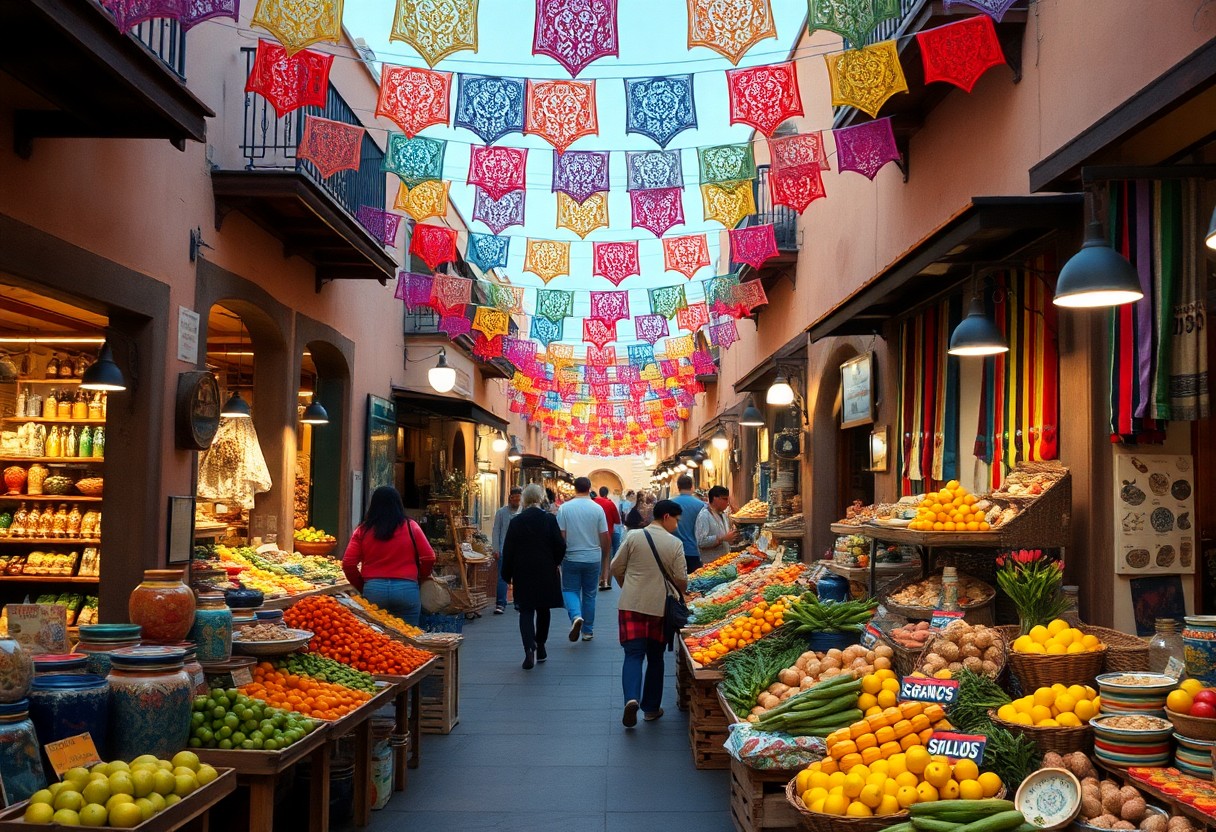
- Carry small cash for markets; most restaurants and hotels accept cards, but local mercados are cash-first.
- Avoid showing expensive jewelry or gear in quiet, non-tourist neighborhoods.
- If hiring drivers, use hotel-recommended services or pre-booked shuttles; for taxis, agree a price or use an app when possible.
Day Trips And Top Map Points To Add To Your Route
A short list of practical day trips (all within 1–1.5 hours) and how to fit them into a map-based day plan:
- Atotonilco 25–35 minutes by car from Centro; pair with a morning visit and an afternoon in the vineyards. See: Atotonilco.
- Guanajuato ~1 hour away; ideal for a full-day trip—map your midday arrival to explore the Alhóndiga and cable car views.
- Cañada De La Virgen Archaeological site 30–40 minutes out—combine with a countryside drive for scenic stops.
If you plan multiple day trips, mark each destination as a single pin on your map app and schedule pick-up times with drivers; this saves waiting time in Centro’s narrow streets.
Short Planning Checklist
- Pin: hotel, Parroquia, nearest mercado in your map app.
- Book airports/shuttles early for Dec–Jan and festival dates.
- Plan at least one half-day for Atotonilco and one full day for Guanajuato or a local archaeological site.
- Pack a light jacket for cool nights and a compact umbrella for June–September afternoons.
Frequently Asked Questions
How Many Days Do You Need In San Miguel De Allende?
A well-paced visit is 3–4 days: one full day in Centro, one for Atotonilco and surrounding sites, and one for a day trip (Guanajuato or nearby ruins). If you want to relax, add 1–2 days for slower meals and markets.
What Is The Best Month To Visit?
October–May offers the most comfortable weather; October–November has floral color and cultural events; December–January is busiest—book earlier for holiday travel.
Is It Safe For Americans/Foreigners To Visit?
Yes—San Miguel is a popular expat and tourist city with generally low violent crime compared to larger Mexican cities. Use standard traveler precautions and consult our safety guide for recent updates: Safety guide.
How Much Cash Should I Bring?
Carry small bills for markets and taxis; most restaurants and hotels accept cards. For a long weekend, $150–$300 USD (or equivalent) in local currency as pocket money is a reasonable baseline, supplemented by cards for larger expenses.
Which Areas Should Visitors Avoid?
Stick to Centro, San Antonio and tourist corridors by day; avoid isolated, poorly lit streets at night. If in doubt, ask hotel staff for local advice—hotels will flag any temporary local advisories.
Where This Page Fits And What To Read Next
This article is a focused support node: it collects maps, historical orientation and practical timing windows that are unique and useful for quick planning. For full, consolidated planning (hotel picks, complete safety analysis, transport booking links, and extended itineraries) please use the site’s canonical travel resource: San Miguel de Allende — Travel FAQ & Planner. If your immediate next step is choosing a neighborhood or hotel, jump to our where-to-stay guide: Where to stay.
For an authoritative, single-page travel plan with anchor links to every PAA question and booking tips, go to the site’s main consolidated FAQ.
If you maintain this page as a living support node, consider it the quick-map & history companion—our editorial recommendation is to consolidate the remaining overlapping FAQ content into the canonical travel FAQ to avoid duplication and improve discoverability.
See also practical site pages: Activities & Day Trips, Airport options, and San Miguel on a map.

Clara Beaumont is a distinguished author and cultural enthusiast based in San Miguel de Allende. With a passion for exploring the diverse aspects of this vibrant city, she writes engaging pieces that illuminate its history, art, and community. Clara’s work aims to inspire both residents and visitors, fostering a deeper appreciation for the unique charm and rich stories that San Miguel de Allende has to offer.
Your exploration of San Miguel de Allende truly resonates with me; the city embodies a unique blend of history, culture, and artistic expression that captivates both visitors and longtime residents alike. My journey there a couple of years ago transformed my understanding of community and creativity.
Your exploration of San Miguel de Allende beautifully captures the city’s allure and multifaceted character. I appreciate how you emphasize both the architectural charm and the vibrant arts community; they really do create a tapestry that reflects the city’s rich history. During my last visit, I was particularly struck by the blend of cultural traditions—especially how local festivals, like the Day of the Dead, showcase an intriguing mix of indigenous practices and colonial influences.
I’m glad you resonated with the blend of architectural charm and the arts community in San Miguel de Allende. The city indeed feels like an ever-evolving canvas, where every street and corner has a story etched into its walls. Your thoughts on the Day of the Dead are particularly intriguing; it’s such a profound celebration that really encapsulates the depth of cultural identity there.
I’m glad to hear that you resonated with the architectural beauty and vibrant arts scene in San Miguel de Allende. It’s true; the city offers a visual feast with its colonial buildings standing as testaments to centuries of history, while the energy of local artists fills the streets, galleries, and marketplaces with creativity.
I completely agree about the unique blend of cultural traditions in San Miguel de Allende. It’s fascinating how the city’s festivals, particularly the Day of the Dead, create a vivid tapestry of both indigenous and colonial influences. The way the community comes together to honor their ancestors really highlights the importance of memory and connection in our lives.
You’ve hit the nail on the head! The blend of indigenous and colonial influences in San Miguel de Allende’s festivals is truly something special. The Day of the Dead, in particular, goes beyond just remembrance; it’s a time when the streets come alive with laughter, music, and all those beautiful altars. It’s heartwarming to see families come together, sharing stories and honoring their ancestors in such a vibrant way.
Your observations about San Miguel de Allende resonate deeply. The way the city intertwines its architectural beauty with a lively arts scene truly gives it a unique character. It’s fascinating to see how local artists draw inspiration from their surroundings, reflecting both the historical influences and contemporary creativity.
You’re spot on about San Miguel de Allende. It’s a place where the past feels alive, almost like the bricks of the old buildings are whispering stories. Walking through the streets, you can’t help but notice how the architecture isn’t just a backdrop. It’s part of the everyday experience, shaping the way people interact with the city and with each other. Those colorful colonial facades and cobblestone streets seem to invite creativity from everyone who passes by.
San Miguel de Allende has such a unique charm, and your description truly captures its vibrant spirit! I was particularly drawn to the mention of its colonial architecture and arts scene, as both are integral to the city’s identity. On my last visit, I was enchanted by how local artists transform everyday experiences into colorful murals that tell the story of the culture and heritage there.
Ah, San Miguel de Allende—the place where every cobblestone street seems to have a story, and every pastel-colored wall might just hide a secret architect with a flair for drama! Your post beautifully captures the charm of this gem nestled in the central highlands. It’s hard to believe that a place where you can hear the church bells pealing and see folks swaying to mariachis is simultaneously steeped in profound history. It’s almost as if the city is giving you a wink and nod, saying, “Come for the tacos, stay for the culture!”
You’ve captured it perfectly! San Miguel de Allende really does feel like a living storybook—a place where the past and present dance together. The cobblestones echo with history, and every vivid wall truly does have a character of its own. I remember wandering through the streets, hearing snippets of lively conversations in Spanish, often punctuated by laughter while savoring freshly made tacos.
You perfectly capture the essence of San Miguel de Allende. The way the streets seem to whisper stories, it truly feels like walking through a living museum. Those pastel walls are definitely façades hiding vibrant tales, especially when you encounter the locals who breathe life into the city’s history with their warmth and hospitality.
If you’re curious about uncovering the vibrant stories and rich culture hidden in every corner of San Miguel de Allende, this travel guide has all the answers you need to make the most of your adventure.
‘Your Essential San Miguel de Allende Travel FAQ: Everything Answered’
https://fallinginlovewithsanmiguel.com/san-miguel-de-allende-travel-faq-guide/.
I love the way you captured the essence of San Miguel de Allende—it’s such a unique blend of history, culture, and breathtaking landscapes. I visited a couple of years ago, and one of my favorite experiences was wandering through the art galleries around El Jardín. The local artists really infuse their work with the spirit of the city, and it felt like a celebration of creativity everywhere I turned.
San Miguel de Allende has a way of pulling you in, doesn’t it? The art scene is one of the most vibrant aspects of the city. I love how each gallery tells a different story, reflecting not just the talent of the local artists but also the rich tapestry of life in San Miguel. Did you have a favorite gallery or artist that stood out to you during your visit? I often find that the smaller, less-known spaces have some hidden gems that really capture the essence of the community. There’s such a warmth and authenticity in the creativity there—it feels like the streets themselves are alive with inspiration.
San Miguel de Allende truly embodies a unique blend of history and cultural richness, making it more than just a travel destination—it’s a transformative experience. During my visit, I was particularly struck by the warmth of the local community, which seems to thrive on a shared pride in their heritage. The vibrant art scene reflects not only in galleries but also through street performances and festivals that celebrate local traditions.
I really appreciate how you highlighted the blend of history and vibrant culture that makes San Miguel de Allende such an intriguing destination. I had a chance to visit a couple of years ago, and the experience stuck with me for its unique charm and artistic vibe. Walking through the cobblestone streets felt like stepping back in time, especially when you pass by the Parroquia de San Miguel Arcángel with its stunning neo-Gothic architecture. I remember how the soft evening light made the pink stone glow, creating an almost magical atmosphere.
It’s fascinating to see how San Miguel de Allende continues to capture the hearts of travelers from around the globe, weaving together its rich historical fabric with the vibrant culture that thrives even today. Your guide does an excellent job of highlighting the essential facets of this enchanting city, and it certainly prompts a significant inquiry about what makes it so appealing.
It’s true that San Miguel de Allende has this unique charm that draws so many in. I think part of its appeal comes from how it balances its past with a contemporary vibrancy. Strolling through the cobblestone streets, you can feel the echoes of history in the architecture while also engaging with the local artists and musicians who bring life to the plazas.
“Discover more about the magic of San Miguel de Allende and why it captivates so many travelers by exploring our comprehensive guide here!”
https://fallinginlovewithsanmiguel.com/transport
San Miguel de Allende holds a special place in my heart; I visited a couple of years ago, and its vibrant culture still resonates with me. Beyond the stunning architecture and art scene, it’s the warmth of the people and rich traditions that truly define the city. I found myself captivated not just by the sights, but also by the sounds of local musicians and the aroma of street food wafting through the plazas.