If you want consistently great images in San Miguel de Allende, focus on three decisions up front: where to shoot by time of day, whether you need permits, and which lenses to pack for walking the cobbled streets. For beginner-to-pro practical help, see our photography workshops page.
Quick Decision Box — 3 Things To Choose Now
- Permit? Street portraits and casual shooting are normally fine; commercial shoots or tripods in public plazas may need permission — check the local rules below and consider contacting your hotel or tour operator.
- When To Shoot? Golden hour (sunrise or sunset) for warm light; blue hour for architecture with lit facades; mid-morning for market colors.
- Which Lenses? A versatile zoom (24–70mm) plus a 50mm or 85mm prime for portraits; a wide 16–24mm for narrow alleys and rooftops.
Permits & Safety — What To Check Before You Shoot
Most tourist photography is fine without permits, but commercial shoots, tripod setups in busy plazas, or using models/props can trigger rules or local fees. When in doubt, ask your hotel or a local business, or consult our complete travel guide for logistics.
Next steps: (1) Confirm with your accommodation or tour operator; (2) contact property managers for private venues; (3) for events or large crews, link logistics to the main travel guide: Complete Travel Guide.
Best Photo Spots (Compact Table)
Use this table to plan shoots by time and effort—each spot links to more location details.
| Spot | Why shoot it | Best time | Access / difficulty |
|---|---|---|---|
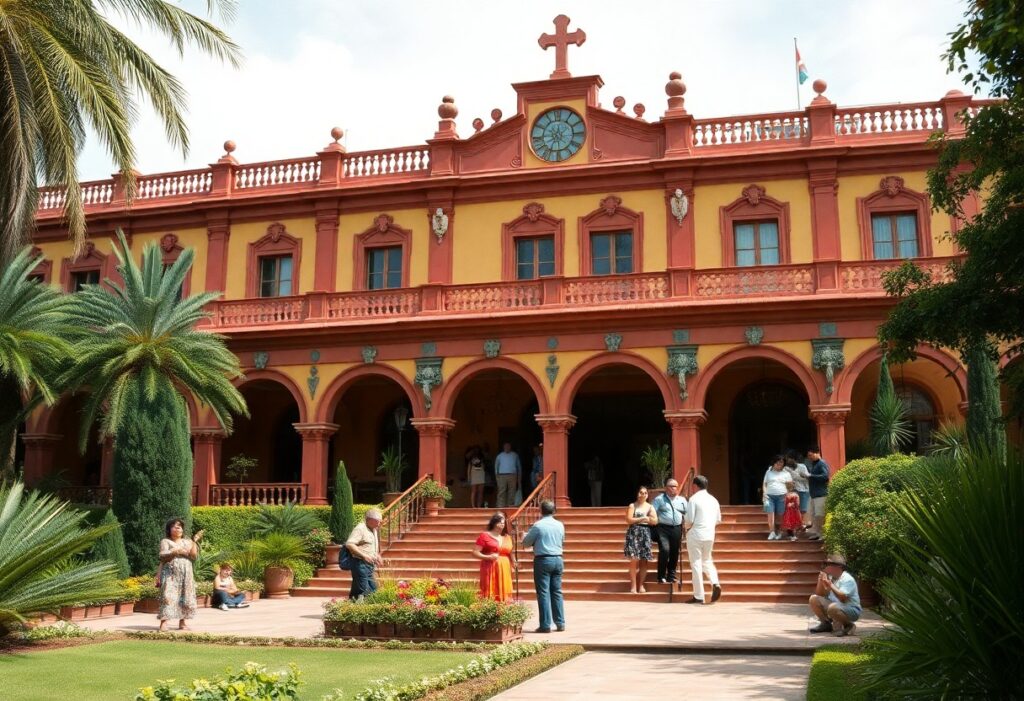
| Parroquia / El Jardín | Iconic pink façade, street life, rooftop views for context shots. | Sunrise for empty plazas; sunset for warm facades. | Easy; busy—expect crowds. |
| Rooftops & viewpoints | Sweeping cityscapes, layered architecture, great for golden/blue hour panoramas. | Golden hour & blue hour. | Moderate—some require rooftop access or a small fee. |
| Local markets & alleys | Colorful textiles, candid portraits, texture-rich details. | Morning for markets; late afternoon for directional light. | Easy to moderate—watch for tight spaces. |
Gear, Composition & Lighting — Practical Checklist
Pack light and plan lenses by the style of shoot. Below is a compact gear and settings checklist you can print or copy into your shot plan.
Gear
- 24–70mm zoom + 50/85mm prime
- Small travel tripod (collapsible)
- Polarizer & one ND filter
- Extra batteries & >64GB memory cards
Composition & Exposure
- Use leading lines and layered foregrounds for depth.
- For portraits: open aperture for shallow DOF; shoot at eye level for approachability.
- Bracket exposures in high-contrast scenes; use RAW.
Timing & Booking Windows
Best months: October–May for clearer skies and cooler mornings; summer brings afternoon storms and stronger midday haze. Book rooftop access or organized photography tours 4–8 weeks in advance during high season and festivals; workshops often sell out 2–3 months ahead.
Where To Plan Logistics
For transport, accommodation, and safety details that affect a shoot (parking, altitude preparation, hotel rooftop rules), see the main logistics hub: San Miguel de Allende — Complete Travel Guide. For safety-focused shooting tips, consult our safety overview: Safety Tips for San Miguel.
Book A Guided Shoot Or Workshop
If you prefer local access and model releases, book a workshop or guided tour—these simplify permits, introduce local contacts, and often include rooftop time. We recommend checking availability on our workshops page and syncing logistics with the Complete Travel Guide before you confirm.
Frequently Asked (Short Answers)
Do I Need A Permit For Street Portraits?
Generally no for casual portraits, but if you are charging, using models, or blocking public space with lights/tripods, arrange permission in advance and confirm with venues.
Best Sunrise Spots?
Rooftops overlooking the Parroquia and designated viewpoints—see our sunrise spots guide for exact access notes.
Where To Learn Locally?
Local workshops and guided shoots are the fastest path—link above to available options and book early in high season.
Jasper Lennox is an insightful author and dedicated chronicler of the vibrant culture and history of San Miguel de Allende. With a passion for exploring its rich tapestry of art, architecture, and community, he crafts engaging narratives that showcase the charm and allure of this enchanting Mexican town. Through his writing, Jasper invites readers to discover the unique stories and experiences that make San Miguel a beloved destination for travelers and locals alike.
Ah, the age-old quest for the perfect shot! It’s almost like playing hide-and-seek with a stubborn cat—it requires patience, strategy, and a few false starts. I totally agree that starting with the permits and rules is akin to laying a solid foundation before building your dream photography castle in San Miguel de Allende. I once took a spontaneous trip to a picturesque spot only to learn that it was a no-go without a permit. Talk about a bummer!
Your insights about the essential preparations for photography in San Miguel de Allende really resonate with me! I remember my first trip there, totally overwhelmed by the vibrant colors and rich cultural details, yet I hadn’t done my homework on permits and safety protocols. If only I had your guide back then! The way you emphasize understanding the local regulations can truly elevate one’s experience and help avoid mishaps.
It sounds like you had quite an adventure your first time in San Miguel de Allende. There’s definitely something magical about the colors and the culture that can make it both exhilarating and a bit overwhelming. It’s interesting how photography can really amplify that experience, allowing us to capture moments that might otherwise slip by unnoticed.
I totally get where you’re coming from. San Miguel de Allende is one of those places that just hits you right in the feels with its colors and culture. It’s easy to get swept away in the beauty and forget about the practicalities, like permits and local regulations.
Thank you for your kind words! I’m glad my insights resonated with you. If you’re planning another trip or want to dive deeper into your photography journey, check out this comprehensive guide I put together—it covers everything from permits to safety tips!
https://fallinginlovewithsanmiguel.com/food-and-drink
It’s interesting to hear about the importance of preparation when it comes to capturing the beauty of San Miguel de Allende. This city is indeed a photographer’s dream, with its stunning colonial architecture and vibrant street life. I appreciate the emphasis on understanding local regulations, as navigating permits and fees can often be overlooked, especially by those new to travel photography.
I’m glad you found the discussion on preparation helpful. When diving into travel photography, especially in a place as rich in character as San Miguel de Allende, preparation can make or break the experience. It’s not just about the technical aspects of your gear; it’s really about immersing yourself in the context and culture of the place you’re documenting.
“I’m glad you found the tips helpful! If you’re looking to enhance your photography experience in San Miguel de Allende, check out this useful resource that covers everything from permits to must-visit spots.”
https://fallinginlovewithsanmiguel.com/book-flight
Oh, I love this approach to photography planning! It’s almost akin to preparing for a miniature expedition – one where the local rules are the hidden treasure maps and the permits are your golden keys to unlock a dazzling treasure trove of stunning visuals. I’ve had my fair share of surprises while out shooting; once in a different city, I had my tripod practically treated as a forbidden relic and ended up scrambling to find the right angle perched atop a picnic table, much to the bewilderment of the locals. Not the most graceful moment for my photography career!
I couldn’t agree more about the importance of planning, especially when it comes to capturing those Instagrammable moments in San Miguel de Allende! It’s almost like a game of chess: if you don’t consider your moves ahead of time (or, in this case, your permits and the golden hour), you might just find yourself in checkmate with a gorgeous sunset and no way to document it properly.
This is such a practical guide! I love the emphasis on being prepared, especially when it comes to permits and safety—it’s easy to overlook those details in the excitement of capturing great shots. I remember a trip to another city where I didn’t check the local rules and ended up missing some fantastic opportunities because I had to backtrack.
I really appreciate your insights on planning for photography in San Miguel de Allende! It’s fascinating how much the initial groundwork can really shape the experience, not just in capturing stunning images but also in enjoying the journey itself. The cobbled streets and the vibrant colors of the buildings almost tell a story of their own, and understanding how to photograph them effectively can make that narrative even more compelling.
Your insights on planning photographic outings in San Miguel de Allende are quite valuable, particularly the emphasis on understanding local regulations and potential permits. I’ve found that being well-prepared not only reduces stress but also opens up opportunities for more meaningful interactions with locals during shoots.
I appreciate how you’ve outlined the importance of preparation when photographing in San Miguel de Allende. It reminds me of my recent trip there, where being mindful about permits and local customs elevated my experience. As photographers, we often get lost in the creative pursuit, but understanding regulations, especially in a place rich with culture and history, can truly enhance not only our images but also our interactions with the community.
I completely resonate with the emphasis on planning and understanding the local regulations when photographing in San Miguel de Allende. I remember my first visit there, captivated by the vibrant colors and unique architecture. However, I quickly learned that a well-thought-out approach makes all the difference, especially when it comes to capturing those stunning moments.
I really appreciate how you outline the essential steps for capturing the beauty of San Miguel de Allende! It’s so true that understanding the local rules upfront can save so much hassle down the line. I remember my first trip there, I got caught off guard with some unexpected fees for a photo shoot I thought would be straightforward. Now I always double-check the permit requirements before I go.
I appreciate how you emphasize the importance of planning and understanding permits for photography in San Miguel de Allende. It reminds me of my last trip there when I unknowingly set up for a shoot in an area that required permission. Thankfully, I was able to adapt and still capture some stunning street scenes. I’ve found that being spontaneous can yield amazing moments, but a bit of preparation certainly goes a long way.