
Why Are Church Tours Essential for Understanding Cultural Heritage?
How Have Churches Influenced Culture?
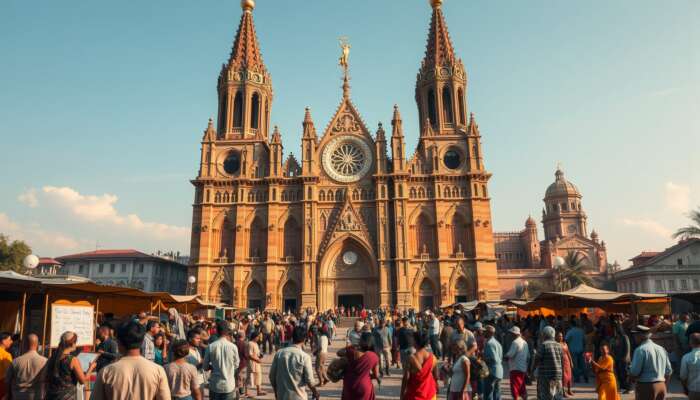
I believe churches are cultural landmarks because they encapsulate the societal values and beliefs of their time. Churches reflect humanity’s quest for meaning, serving as historical markers that embody spiritual and artistic aspirations. Their architectural styles, religious practices, and community events reveal a rich tapestry of history that is both local and universal.
Throughout history, churches have significantly influenced communal life. They impact not only religious practices but also local economies, arts, and education. The construction of a grand cathedral can stimulate economic growth by attracting pilgrims and tourists. Churches serve as hubs for artistic expression through music, painting, and architecture, illustrating a dynamic relationship with culture.
As visitors embark on San Miguel de Allende church tours, they engage with these cultural narratives. They gain insights into how religious institutions have shaped and been shaped by their surroundings. The stories of congregations and the evolution of architectural styles provide a deeper understanding of a community’s historical context and collective identity. To learn more about the city's rich history, check out Understanding San Miguel de Allende. For a deeper understanding, explore The History of San Miguel de Allende: From Colonial Roots to UNESCO Status. For a deeper exploration, consider visiting the Churches of San Miguel de Allende.
- Churches reflect societal values.
- They influence local economies.
- Churches serve as cultural hubs.
What Makes Church Architecture Unique?
The uniqueness of church architecture lies in its ability to encapsulate community spiritual aspirations through design. Each church possesses distinct architectural features that tell a story about its era and purpose. These features often blend local traditions with universal religious themes, making each church a unique expression of faith and culture.
For example, many churches are designed to guide the worshiper’s experience. Features like soaring ceilings and stained glass windows create a sense of transcendence. The layout often reflects theological beliefs, with the altar as a focal point of divine worship. Local materials and craftsmanship give each church a distinct character, making it not just a place of worship but also a work of art.
Understanding these architectural nuances enhances the experience of San Miguel de Allende church tours. Visitors can appreciate the significance of design choices and their impact on community identity. A knowledgeable guide can elucidate these features, providing a richer understanding of how architecture serves functional purposes while embodying spiritual aspirations.
- Church architecture reflects community aspirations.
- Design choices enhance worship experiences.
- Local materials contribute to uniqueness.
What Key Architectural Styles Should You Explore?
When exploring churches, various architectural styles come to the forefront, each with historical and cultural significance. Here are some key styles to look out for during San Miguel de Allende church tours:
| Architectural Style | Characteristics | Examples |
|---|---|---|
| Gothic | Pointed arches, ribbed vaults, flying buttresses | Notre-Dame Cathedral |
| Baroque | Ornate details, dramatic use of light | St. Peter’s Basilica |
| Neoclassical | Columns and symmetry, inspired by ancient architecture | Panthéon, Paris |
| Romanesque | Thick walls, rounded arches | Abbey of Saint-Savin |
| Renaissance | Harmony and proportion, revival of classical ideas | Florence Cathedral |
| Modern | Innovative materials and designs, functional | Seattle Central Library |
By identifying these styles during San Miguel de Allende church tours, visitors can gain insight into the historical context and artistic movements that shaped these magnificent structures. Each architectural characteristic enhances the narrative of faith and community that these churches represent.
- Gothic features pointed arches.
- Baroque emphasizes ornate details.
- Modern architecture prioritizes functionality.
Why Are Church Tours Valuable for Education?
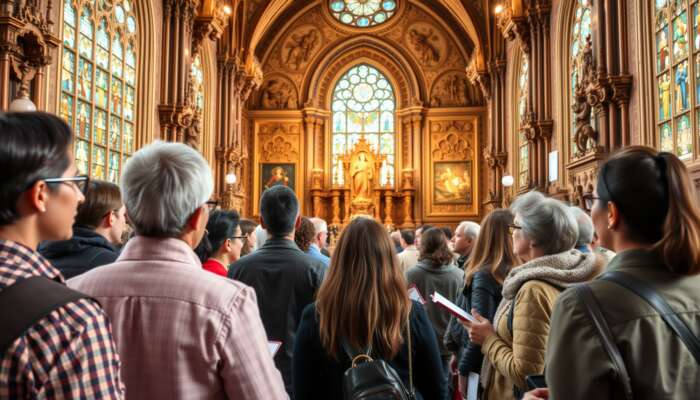
Church tours serve as powerful educational tools. They provide insights into religious practices, historical events, and the social context of different eras. Engaging with the architecture and history of churches enriches understanding of cultural heritage. These tours often incorporate storytelling, weaving together history, art, and spirituality.
Educational aspects of church tours can include discussions about the role of churches in shaping societal values. Visitors learn about architectural details and historical events that transpired within these walls. For example, a tour might delve into how a particular church served as a refuge during conflicts or as a center for social change.

Furthermore, church tours cater to various educational interests, from art history to theology. This diversity enriches the experience, making it valuable for learners of all ages. Engaging with local guides who bring firsthand knowledge creates a dynamic educational experience, fostering deeper appreciation for the cultural significance of churches. This includes learning about local historical figures who have influenced the community and its traditions.
- Church tours provide historical insights.
- They explore social contexts and events.
- Local guides enhance educational experiences.
What Expert Insights Can Enhance Your Church Tour Experience?
How Do Guided Tours Enhance the Experience?
Guided tours significantly enhance the experience of visiting churches. They provide context and depth that independent exploration might lack. A knowledgeable guide helps visitors appreciate the artistic and historical significance of each church, unraveling stories that might otherwise remain hidden.
Moreover, guided tours often include anecdotes and lesser-known facts that bring the church’s history to life. For instance, a guide might share stories of local saints or significant moments related to the church. This narrative approach creates a more immersive experience, allowing visitors to connect emotionally with the site.
Additionally, guided tours can cater to diverse interests. Options are available for art lovers, history enthusiasts, or those interested in religious practices. This flexibility allows participants to choose a tour that aligns with their personal interests, ensuring a more engaging and memorable visit. By choosing San Miguel de Allende church tours with experienced guides, visitors can enrich their understanding and appreciation of these sacred spaces.
- Guided tours provide expert context.
- Anecdotes enhance emotional connection.
- Diverse options cater to various interests.
What Are the Most Popular Churches in San Miguel de Allende?
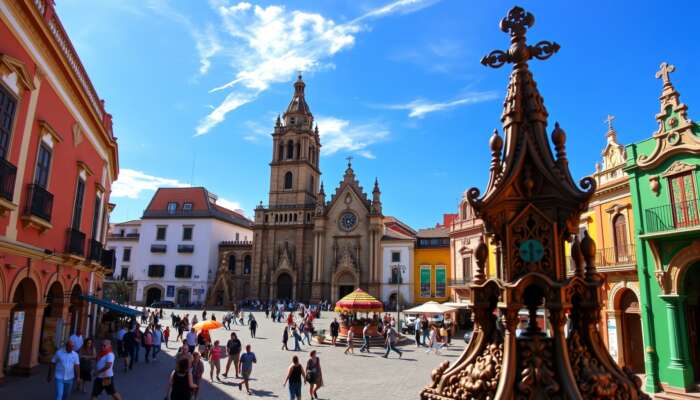
Several notable churches in San Miguel de Allende frequently capture the attention of tourists for their historical and artistic merit. One such church is the Parroquia de San Miguel Arcángel, renowned for its stunning neo-Gothic façade that dominates the town’s main square. Designed by local architect Zeferino Gutiérrez, this church exemplifies the blend of indigenous and European architectural styles. For more information on must-see sites, check out the Attractions page.
Another significant church is the Iglesia de la Inmaculada Concepción, showcasing a mix of Baroque and Churrigueresque styles. This church is distinguished by vibrant colors and intricate details, reflecting the artistic fervor of colonial Mexico. Inside, visitors are captivated by the stunning altarpiece and beautifully painted ceilings.
The cultural narratives associated with these churches extend beyond architectural beauty. The Parroquia de San Miguel Arcángel serves not only as a place of worship but also as a center for community gatherings and festivals. Its role in the social fabric of San Miguel de Allende highlights the importance of such institutions in fostering communal bonds.
- Parroquia de San Miguel Arcángel features neo-Gothic design.
- Iglesia de la Inmaculada Concepción showcases vibrant Baroque details.
- Churches serve as community gathering spaces.
What Challenges Do Churches Face in Preservation?
Churches, particularly those with historical significance, face ongoing challenges in maintenance and preservation. Age, environmental factors, and modern usage demands complicate preserving these sacred spaces. Over time, materials can deteriorate, necessitating careful restoration efforts to maintain structural integrity.
Funding for preservation projects can be a significant hurdle. Many churches rely on donations and community support for maintenance, with fluctuations in financial resources impacting preservation efforts. Balancing the need for modernization with maintaining historical character is a constant challenge.
Moreover, conflicting priorities among stakeholders can complicate decision-making processes. Community members may have varying visions for the church’s role and future. Engaging local communities in discussions about preservation is essential for collaboration and aligning efforts with collective values.
As visitors embark on San Miguel de Allende church tours, understanding these challenges deepens appreciation for the historical and cultural value of the churches they explore. It highlights the ongoing efforts needed to keep these important landmarks alive for future generations.
- Preservation faces age and environmental challenges.
- Funding fluctuations impact maintenance efforts.
- Stakeholder priorities can complicate preservation decisions.
What Are the Benefits of Participating in Church Tours?
How Do Tours Foster Community Engagement?
Church tours serve as powerful means of fostering community engagement. They bring together individuals from diverse backgrounds to share a collective experience. By participating in these tours, visitors not only learn about the historical and cultural significance of each church but also engage with others who share interests in history, architecture, or spirituality.
As visitors gather in churches for tours, they often exchange thoughts and insights. This interaction enriches their understanding and broadens their perspectives. It can lead to deeper discussions about faith, community values, and cultural identity, reinforcing the idea that churches are vital components of communal life.
Additionally, church tours facilitate connections between locals and tourists. Visitors gain insights into community traditions and practices, helping to dispel misconceptions and foster mutual respect. As communities share their histories, visitors develop a greater appreciation for the cultural diversity within the churches they explore.
- Church tours enhance community engagement.
- Visitors exchange insights and broaden perspectives.
- Local connections foster mutual respect.
What Are the Actionable Steps for Planning a Church Tour?
Planning a successful church tour involves several essential steps to ensure a meaningful and engaging experience. Here are actionable steps for organizing a church tour, particularly for those interested in San Miguel de Allende church tours:
- Research: Investigate the churches to include in your tour, focusing on their historical context and architectural styles.
- Schedule: Determine optimal days and times for your tour, considering local events that may impact accessibility.
- Promote: Use social media and community boards to advertise your tour, emphasizing unique aspects that attract participants.
- Engage Experts: Collaborate with knowledgeable guides who can provide insights and narratives that enhance the experience.
- Plan Logistics: Consider transportation options and accessibility for participants.
- Gather Feedback: Collect feedback from participants to improve future tours.
By following these steps, organizers can create engaging San Miguel de Allende church tours that provide valuable learning experiences while fostering community connections.
What Educational Opportunities Do Church Tours Offer?
Church tours present invaluable educational opportunities for participants of all ages. They enrich understanding of history, art, and cultural practices. These tours often include historical insights that illuminate each church’s significance within its community.
Many churches have witnessed significant events, allowing participants to connect historical narratives to the present day. Guides share stories of influential figures who shaped the church and community, bringing history to life. Additionally, these tours incorporate discussions about artistic elements found within churches, from stained glass windows to intricate frescoes.
This blend of historical and artistic education appeals to students, families, or anyone curious about cultural heritage. The educational opportunities provided through San Miguel de Allende church tours enhance individual knowledge and foster appreciation for the rich tapestry of history and culture.
- Church tours offer historical insights.
- Participants connect narratives to the present.
- Artistic elements enhance educational experiences.
What Trusted Strategies Can Enhance Your Church Tour Experience?
How to Select the Right Tour for Your Interests?
Choosing the right church tour that aligns with personal interests can greatly enhance the experience of visiting churches. Several factors should be considered to ensure that the chosen tour meets participants’ expectations. Evaluate what aspects resonate most with you—be it architectural intricacies, historical narratives, or spiritual practices.
Start by researching various tour options available. Pay attention to the themes they cover. Some tours may focus more on architecture while others delve into historical events or community engagement. Reviewing tour descriptions helps identify which align with your interests.
Consider the expertise of the guides leading the tours. Guides with in-depth knowledge can significantly enhance the experience. Look for reviews or testimonials to gauge tour quality and the guide’s engagement ability.
Lastly, think about the group size and atmosphere of the tour. Smaller groups facilitate personalized interactions, while larger groups may offer broader perspectives. By selecting a tour that resonates with your interests, you can ensure a fulfilling and enriching experience during San Miguel de Allende church tours.
- Evaluate personal interests for tour selection.
- Research guides’ expertise and reviews.
- Consider group size for interaction preferences.
What Are Real-World Examples of Successful Tours?
Successful church tours serve as inspiring case studies for creating enriching experiences. The Historic Churches of San Miguel de Allende Tour has garnered acclaim for its well-structured itinerary. It highlights the architectural and historical significance of key churches, guided by experts who provide engaging narratives.
The Arts and Faith Tour combines visits to churches with discussions about artistic elements. This tour appeals to art enthusiasts and those interested in exploring the interplay between faith and creativity. Participants engage with local artists, fostering a unique understanding of how art and spirituality intersect.
- Historic Churches tour offers a structured itinerary.
- Arts and Faith Tour engages art enthusiasts.
- Successful tours foster community connections.

Clara Beaumont is a distinguished author and cultural enthusiast based in San Miguel de Allende. With a passion for exploring the diverse aspects of this vibrant city, she writes engaging pieces that illuminate its history, art, and community. Clara’s work aims to inspire both residents and visitors, fostering a deeper appreciation for the unique charm and rich stories that San Miguel de Allende has to offer.

Your exploration of the significance of churches as cultural landmarks resonates deeply with my own reflections on their role in society. It is indeed fascinating to consider how these structures represent a confluence of spirituality, community, and artistry, each interwoven with the historical context in which they were built.