What is a Textile Market?
Textile markets are vibrant spaces where various textiles are bought and sold. They showcase a rich tapestry of cultural heritage and craftsmanship, which matters for travelers and local artisans alike. Understanding these markets enhances the experience of shopping and engaging with local culture.
At FallingInLoveWithSanMiguel, we specialize in San Miguel de Allende Travel Guide in San Miguel de Allende, helping visitors discover the local textile markets and appreciate their unique offerings. Our aim is to connect travelers with authentic experiences that enrich their understanding of the local culture.
This guide monetizes through affiliate partnerships with local artisans and market organizers. We provide users with insights and recommendations that facilitate informed purchasing decisions while supporting the local economy. Our guide covers:
- Variety of Textiles: Explore different fabrics like cotton, silk, and wool.
- Artisan Craftsmanship: Learn about traditional techniques passed down through generations.
- Market Dynamics: Understand the structure and operations of textile markets.
- Cultural Significance: Discover the stories and traditions behind the textiles. Explore the rich tapestry of local traditions in the vibrant Arts & Culture scene. See also: attractions. For a unique cultural experience, consider attending the Virgen De Guadalupe celebration in San Miguel de Allende. For more on local traditions, check out Alfeñiques In San Miguel De Allende. For more on the architectural styles that influence local textiles, see our article on Key Features Of San Miguel De Allende Architecture.
- Sustainability Practices: Examine eco-friendly approaches in textile production.
What Defines a Textile Market?
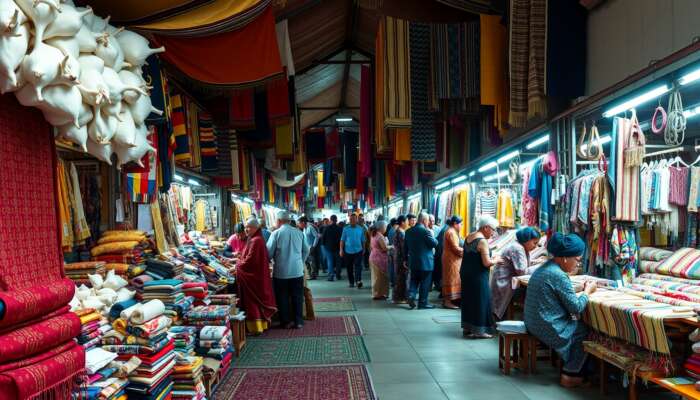
A textile market is defined by its rich variety of textiles, craftsmanship, market layout, community engagement, and cultural significance. Each component plays a vital role in creating a dynamic environment for buying and selling textiles.
Key characteristics include:
- Variety of Textiles: Cotton, silk, wool, and synthetic materials thrive in these markets.
- Craftsmanship: Artisans showcase their skills, reflecting local traditions.
- Market Layout: Organized spaces facilitate both retail and wholesale transactions.
- Community Engagement: Markets foster relationships among artisans, buyers, and the community.
- Cultural Significance: Textiles embody local stories and practices.
These components create a dynamic environment where textiles fulfill economic needs and preserve cultural heritage. The marketplace acts as a living museum, merging tradition with modernity.
What Are the Key Components of Textile Market Structures?
The structure of textile markets is designed for seamless operations. Key elements include:
- Stalls and Booths: Artisans set up stalls to showcase their creations.
- Pricing Strategies: Negotiation is common; artisans adjust prices based on demand.
- Seasonal Trends: Markets reflect seasonal changes, influencing supply and demand.
- Community Events: Workshops and festivals engage the community and promote artisans.
These structures highlight the timeless techniques and traditions that make textile markets accessible and enduring. Each market operates under unique rhythms, influenced by local customs and consumer behavior.
How Have Textile Markets Evolved Over Time?
The evolution of textile markets has been marked by innovations that keep them relevant. Initially, these markets were informal gatherings for direct exchanges. As urbanization progressed, they adapted to changing economic climates.
Technological advancements have significantly impacted this evolution. Mechanized looms revolutionized production, increasing output while preserving traditional methods. For example, today’s hand-woven textiles often combine with machine-produced fabrics.
Modern textile markets serve as commercial hubs and cultural expression spaces. They host workshops teaching traditional techniques, ensuring skills are passed to new generations. This blend of old and new keeps textile markets vibrant and relevant.
What Role Does Technology Play in Textile Markets?
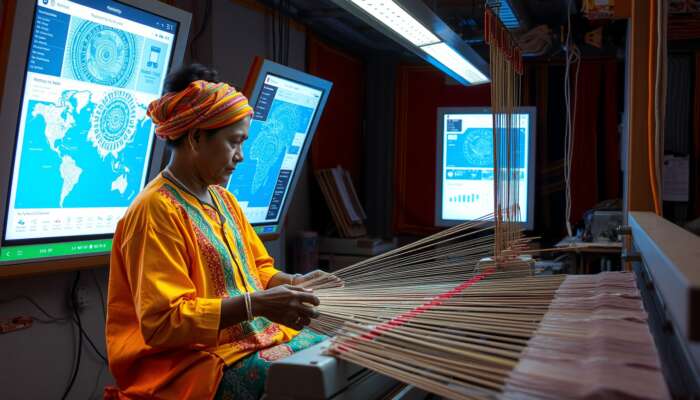
Technology has reshaped the landscape of textile markets, enhancing production efficiency and expanding accessibility. Digital tools have transformed artisan operations, improving everything from inventory management to marketing strategies.
Key technological advancements include:
- Online Platforms: Artisans can showcase products globally, extending market reach.
- Advanced Looms: Greater precision and efficiency in weaving intricate designs.
- Digital Design Tools: Artisans can replicate traditional patterns digitally before weaving.
- Hybrid Approaches: Many artisans blend modern tools with traditional methods.
Balancing innovation with traditional craftsmanship remains a challenge. However, this fusion fosters creativity while honoring rich textile heritage.
What Are the Sustainability Practices in Textile Markets?
As global environmental challenges grow, sustainability practices are integral to textile markets. Artisans are increasingly adopting eco-friendly materials and ethical sourcing methods.
Key sustainable practices include:
- Use of Organic Fibers: Incorporating natural fibers like organic cotton and hemp.
- Waste Reduction: Techniques to minimize waste during production.
- Recycling and Upcycling: Transforming unused textiles into new products.
- Local Sourcing: Using local materials to reduce transportation emissions.
These practices not only address environmental concerns but also foster long-term viability. Artisans who adopt sustainability often resonate with consumers, cultivating a loyal customer base.
What Are the Expert Insights on San Miguel de Allende Textile Markets?
What Advanced Techniques Are Used in Weaving?
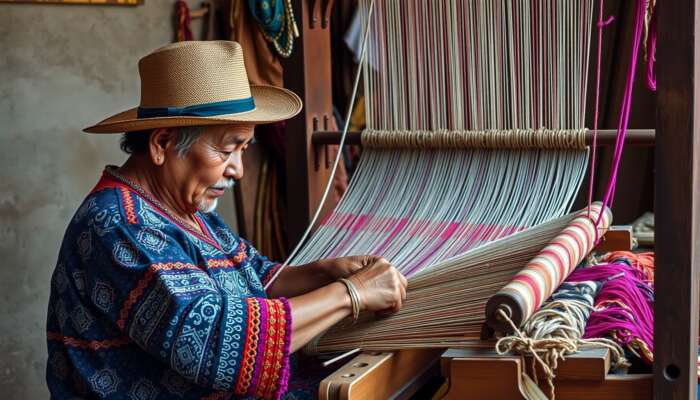
Mastering weaving requires advanced techniques combined with time-honored skills. Artisans in San Miguel de Allende employ various traditional methods that enhance textile quality and aesthetics. Here are actionable steps to consider:
- Understanding Material Properties: Different materials behave uniquely in weaving. Familiarity with these can influence the end product.
- Thread Management: Proper tension and alignment are crucial for high-quality weaving.
- Pattern Design: Experimenting with patterns can yield innovative results.
- Skill Development Workshops: Community workshops foster skill exchange and refinement.
By focusing on these steps, aspiring weavers can enhance their market participation and product quality.
What Are the Benefits of Sustainable Practices?
Sustainable practices in textile creation offer numerous benefits extending beyond environmental concerns. Here’s an analysis of these benefits:
- Market Differentiation: Eco-conscious consumers are willing to pay more for sustainable textiles.
- Brand Loyalty: Transparency in sustainable practices builds trust and customer loyalty.
- Longevity of Materials: High-quality materials result in durable products, minimizing waste.
- Community Impact: Local sourcing supports the economy and fosters community ties.
By adopting sustainable practices, artisans can secure a prosperous future, linking environmental responsibility with economic viability.
How Are Modern Tools Integrated into Textile Practices?
The integration of modern tools in traditional textile practices has transformed the artisan landscape in San Miguel de Allende. Here are real-world examples:
- Digital Design Software: Artisans use software for precision in pattern creation.
- Social Media Marketing: Platforms like Instagram help artisans reach global audiences.
- E-commerce Platforms: Online marketplaces enable direct sales, increasing profit margins.
- Innovative Looms: Advanced looms allow for greater efficiency without compromising artistic vision.
This integration enhances operational efficiency while preserving authenticity.
What Cultural Influences Shape Textile Designs?
The cultural heritage of San Miguel de Allende significantly shapes local textile designs. Key insights include:
- Traditional Motifs: Inspiration from folklore, nature, and historical events is common.
- Color Symbolism: Colors carry cultural significance, enhancing storytelling.
- Adaptation for Modern Markets: Artisans adapt designs to meet contemporary tastes.
- Collaborative Design: Engaging in collaborative projects fosters unity and innovation.
This cultural embrace allows artisans to create textiles that resonate with both local and global audiences.
What Economic Challenges Do Artisans Face?
Artisans in San Miguel de Allende encounter economic challenges hindering their growth. Understanding these hurdles is essential for effective support strategies:
- Access to Funding: Securing loans for scaling operations is often difficult.
- Market Competition: Mass-produced textiles present significant competition.
- Distribution Limitations: Limited market access restricts product sales.
- Skill Development: Continuous training is vital for adapting to market changes.
Addressing these challenges with targeted strategies can build resilient businesses in the textile industry.
How Does the Textile Market Operate?
What Are the Daily Routines in Trading?
The operational flow of a textile market involves daily routines that facilitate trading. A typical day begins early with artisans preparing their stalls. The trading cycle includes:
- Sourcing Materials: Artisans source raw materials from local suppliers.
- Setting Up Stalls: Stalls are arranged for optimal visibility of textiles.
- Customer Interactions: Engaging with customers enhances the value of products.
- Transaction Management: Efficient management of transactions is crucial for success.
Understanding these routines provides insight into the dedication involved in textile trading.
What Factors Influence Market Flow?
Several factors influence the flow of textile markets. Key elements include:
- Supply and Demand: The balance directly impacts trading patterns.
- Seasonal Trends: Demand may increase during specific seasons or holidays.
- Economic Conditions: Broader trends influence consumer spending behavior.
- Cultural Events: Festivals create spikes in market flow for unique textiles.
Recognizing these factors helps artisans enhance their market strategies.
What Challenges Do Artisans Face in Operations?
Running a textile market presents various operational challenges. Common issues include:
- Market Fluctuations: Changes in consumer preferences create unpredictability.
- Resource Scarcity: Limited access to raw materials can impede production.
- Competition from Mass Production: Mass-produced textiles pose significant challenges.
- Logistical Issues: Transporting textiles can present logistical challenges.
By employing adaptable solutions, artisans can enhance operational efficacy and ensure sustainability.
What Are the Research-Backed Benefits of San Miguel de Allende Textile Markets?
What Health Advantages Do Natural Fibers Offer?
The health benefits of using natural fibers in textiles are increasingly recognized. Studies indicate several advantages, including:
- Breathability: Natural fibers allow better airflow, reducing skin irritations.
- Durability: Natural textiles often last longer, minimizing replacements.
- Hypoallergenic Properties: Many natural fibers are less likely to cause allergic reactions.
- Comfort: Natural fibers provide comfort in various climates.
As awareness grows, the demand for natural textiles continues to rise, benefiting both consumers and artisans.

Eliot Mercer is an insightful author and local enthusiast, specializing in the vibrant culture and scenic beauty of San Miguel de Allende. With a passion for storytelling, he explores the rich history, diverse arts, and unique lifestyle of this enchanting Mexican town, providing readers with a captivating lens through which to view the community. Through his engaging writing, Eliot invites others to discover the charm and allure of San Miguel de Allende, sharing his personal experiences and deep appreciation for the area’s traditions and modern dynamics.