Alfeñiques are delicate sugar figures — most famously skulls — used to honor the dead during D eda de Muertos; in San Miguel de Allende the annual Alfeñique Fair is the best place to see both traditional craft and modern variations up close.
For the full citywide Day of the Dead schedule and planning details, see our complete D eda de los Muertos event guide.
See, Buy, Or Make: A 3‑point Decision
| See
Visit the Alfeñique Fair (Plaza de la Soledad) during D eda de Muertos to watch artisans at work.
|
| Buy
Purchase personalized calaveras and seasonal figures from local stalls — take cash and hand-carry fragile pieces.
|
| Make
Try a workshop or follow a home recipe to craft a simple alfeñique — great for families and learning the technique.
|
Quick Answers
When Is The Alfeñique Fair? The fair runs each year around late October–early November as part of D eda de Muertos events in town.
Can You Buy Alfeñiques Year-Round? Mostly no — the best selection and artisans appear for the seasonal fair; small shops sell leftovers but availability is limited.
How Are They Made? A sugar-and-egg-white paste is molded, dried, and hand-painted; some artisans still use traditional recipes and family molds.
A Guide To Alfeñiques — How To See Them In San Miguel
What Alfeñiques Are And Why San Miguel Matters
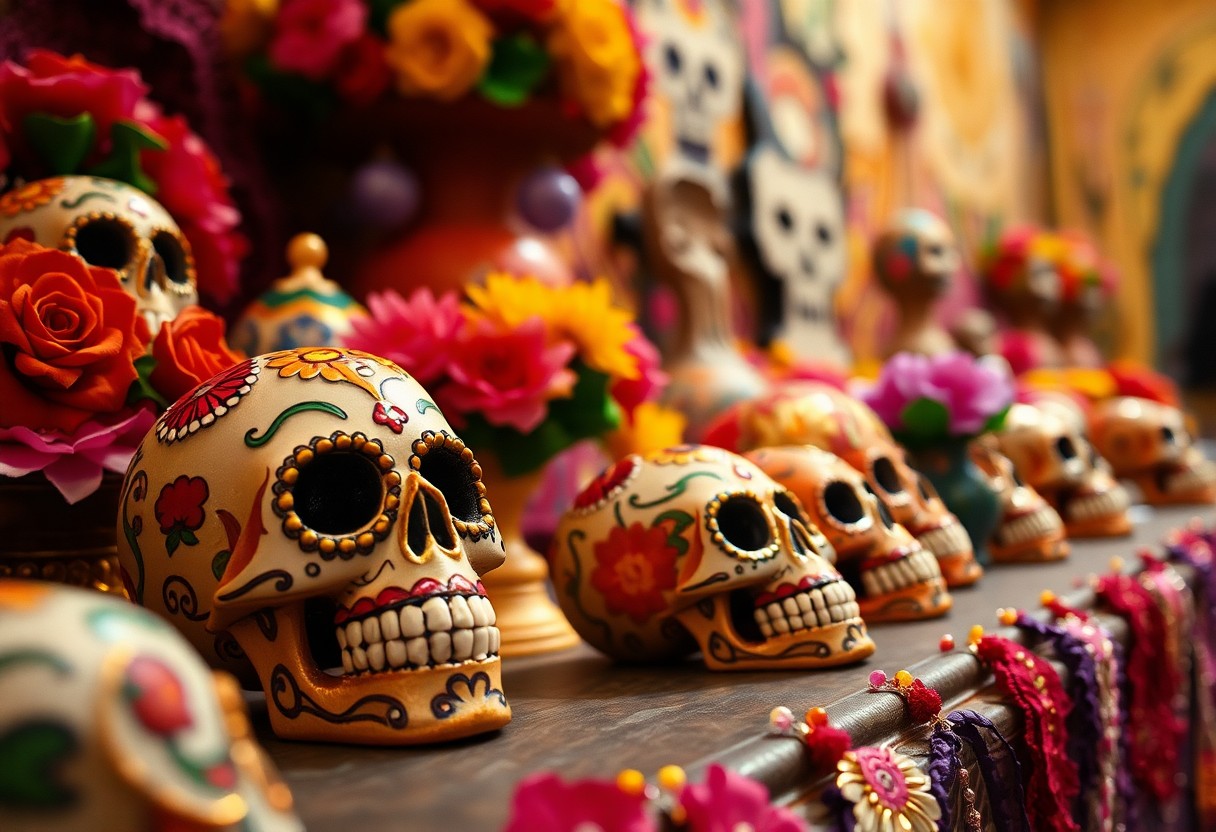
Alfeñiques are handcrafted sugar figures — often skulls (calaveras), animals, crosses and flowers — placed on ofrendas to honor the dead. In San Miguel de Allende the annual Alfeñique Fair brings together local artisans, family-run workshops and modern creators, so it’s the most reliable place in town to see both traditional technique and contemporary variations.
Origins, Symbolism And Regional Flavor
The technique comes by way of Spain (itself influenced by Arabic confectionery) and adapted in Mexico to local sugar, pigments and iconography. Skulls symbolize the life-death cycle, crosses signal faith, and animals can stand for guides or personal traits; colors carry meaning too — white for purity, bright hues for vitality. San Miguel’s artisans often blend indigenous motifs with Spanish-era molds, creating a distinctive local style.
Where To See And What To Expect At The Alfeñique Fair
The fair typically takes place in Plaza de la Soledad near the Oratorio Church. Expect rows of stalls with handcrafted alfeñiques, live demonstrations, and custom-name calaveras. Vendors range from veteran artisans with family molds to younger creators offering pop-culture designs. If you want the full Day of the Dead experience in San Miguel, pair a fair visit with local ofrendas and the wider events listed in the city’s D eda de los Muertos guide.
Explore related seasonal foods such as pan de muerto while you plan — it’s often sold alongside sugar figures at markets and bakeries.
When To Go & When To Book
Types, Traditional Designs And Modern Twists
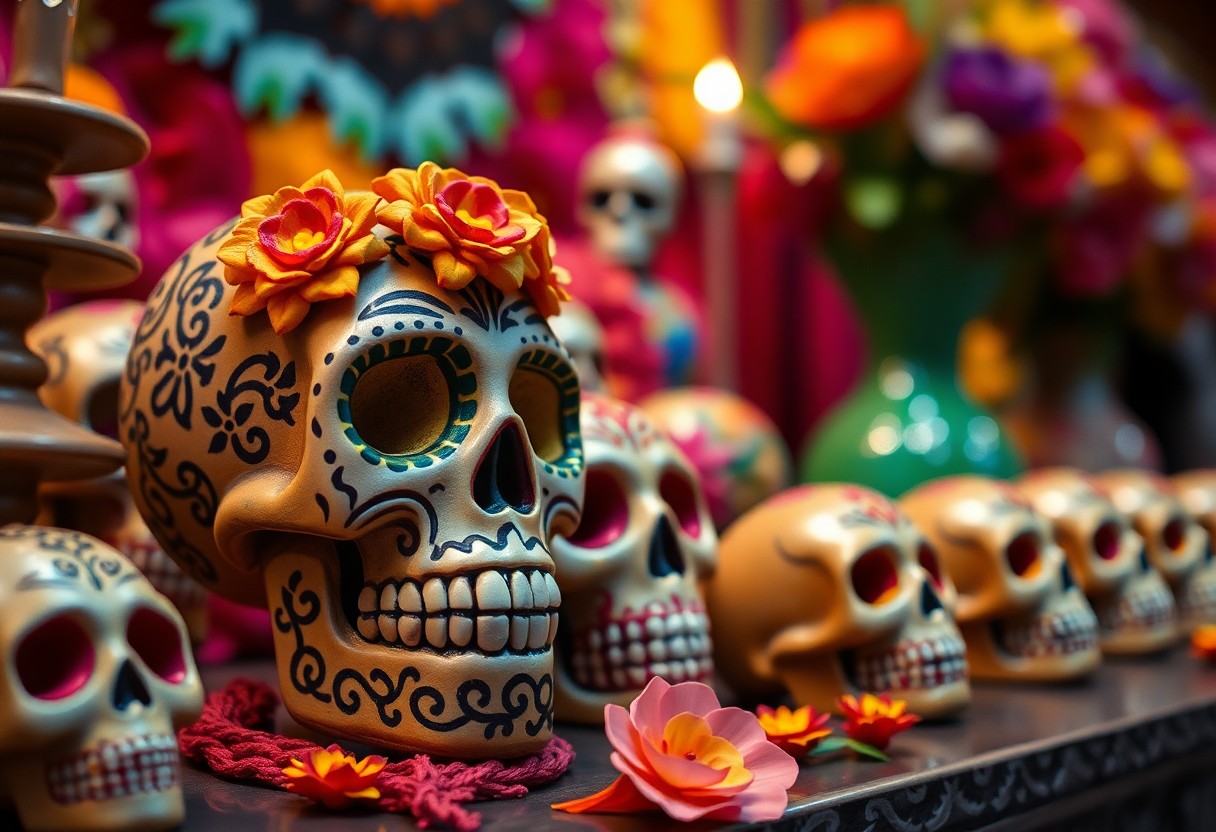
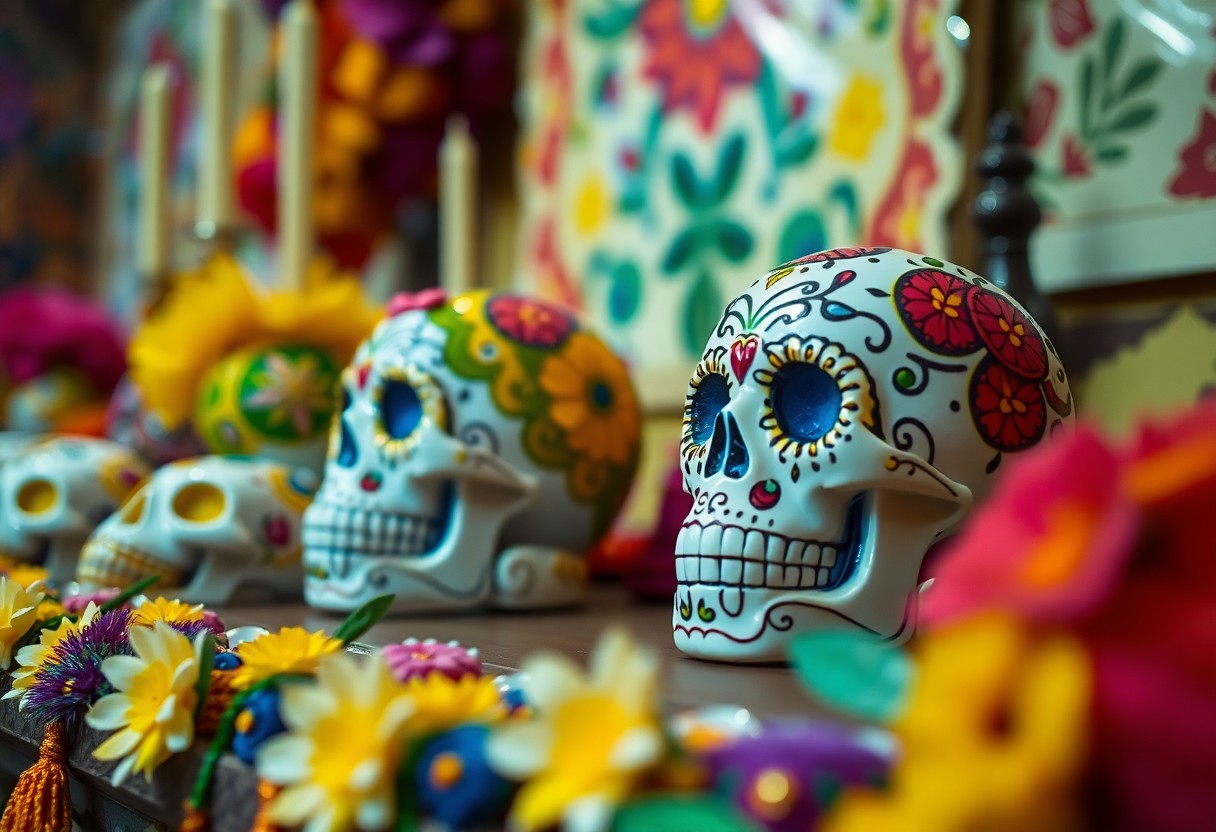
Classic alfeñiques include calaveras (skulls), crosses, angels, fruit and animals. Traditional pieces are hand-modeled or pressed in wooden molds and hand-painted with edible pigments. Contemporary makers introduce pop-culture figures, colorful hybrids and mixed-media pieces; you’ll find superheroes and nuanced portraits alongside time-honored shapes at the San Miguel fair.
| Type | Symbolism |
|---|---|
| Skulls (calaveras) | Honoring specific people or the cycle of life and death |
| Animals | Spiritual guides or beloved pets |
| Crosses & angels | Faith, protection and spiritual intercession |
| Modern/pop culture | Personalization for younger audiences and collectors |
How Alfeñiques Are Made — Practical Notes
The basic sugar paste combines fine granulated sugar, egg white (or aquafaba for non‑egg versions), a touch of acid like lemon juice, and sometimes a binder such as corn syrup. The paste is kneaded, pressed into molds or sculpted by hand, left to dry until firm, then painted with edible pigments and details. The process is sensitive to humidity and temperature: higher humidity slows drying and risks stickiness.
Beginner’s Checklist
- Fine granulated sugar
- Egg whites or aquafaba
- Small wooden or food‑safe molds
- Edible food color gels and fine brushes
- Drying rack in a low‑humidity room
If you want an at‑home project, look for seasonal workshops at the fair or local art schools; they supply molds and guidance and are an easier entry than experimenting alone.
Where To Buy, Workshops And Supporting Artisans
The best selection is at the seasonal fair; after the festival some artisans sell pieces in boutique shops or through social media. If you want a personalized calavera with a name or date, order during the fair or contact an artisan in advance. Consider visiting the artisan stalls early to make custom requests — many creators accept same-day personalization for small items.
For related cultural events and places to combine with a craft visit, see our piece on San Miguel street art and public crafts and the city’s full D eda de los Muertos guide for scheduling.
Preservation Challenges And Buying Tips
Alfeñiques are fragile: sugar cracks under pressure and degrades in humidity. If you buy to display at home, keep pieces dry, out of direct sunlight and handle them minimally. For travel, pack smaller items inside padded containers and avoid long exposure to heat or moisture. Ask artisans how their pieces were finished; some use food‑grade glazes that add resilience.
Smart Buying Checklist
- Inspect for hairline cracks before purchase.
- Buy firm, fully dried pieces for travel.
- Pack in rigid containers with soft fill.
- Ask about custom orders and lead times if you need personalization.
How This Page Fits The Day Of The Dead Cluster
This article is a focused cultural and practical guide to alfeñiques — a supporting resource within our broader D eda de los Muertos coverage. For scheduling, processional maps and citywide event planning use the complete Day of the Dead guide, which collects parade times, altar locations and official fair announcements.
Planning To Visit D Eda De Muertos In San Miguel?
Start with the citywide events and travel logistics in our main D eda de los Muertos guide — it’s the most up-to-date source for fair dates, altar routes and recommended viewing spots.
A Short How‑to For Visitors Who Want To Try Making One
- Prepare a clean, dry workspace and pre-measure fine sugar and binder.
- Mix sugar with a small amount of egg white or aquafaba until the paste holds shape.
- Press into molds or form by hand, smooth seams with a damp fingertip.
- Dry in a low‑humidity, ventilated room for 8–24 hours depending on size.
- Paint with edible gels and let set; avoid decorating until fully dry.
If you prefer guided practice, book a workshop during the fair where artisans supply molds and paints and demonstrate tips that keep pieces intact.
Conservation And Cultural Value
Beyond their visual charm, alfeñiques hold cultural weight: they are gifts for the dead, tangible memories and a way to pass technique between generations. Preservation faces two pressures — environmental fragility and dwindling artisan participation — so attending the fair and buying pieces directly from makers helps sustain the craft.
Frequently Asked Questions
What Are Alfeñiques And Why Are They Used?
Alfeñiques are sugar-paste figures used to decorate ofrendas for D eda de Muertos; they symbolize the sweetness of life and serve as offerings and personal tributes to the deceased.
When Is The Alfeñique Fair In San Miguel?
The fair takes place around late October into early November as part of the town’s D eda de Muertos calendar; check the main event guide for exact dates each year.
Can Visitors Join Workshops?
Yes — many artisans run short workshops during the fair; spaces can fill fast so inquire early or arrive mid-morning when demos are scheduled.
How Should I Transport Fragile Purchases?
Pack small pieces in padded, rigid containers; keep them cool and dry and carry them in hand luggage rather than checked bags.

Ellie Thomson is an accomplished author and passionate advocate for the vibrant culture of San Miguel de Allende. Through her engaging writing, she explores a diverse range of topics that reflect the richness of life in this enchanting Mexican city. With a keen eye for detail and a deep appreciation for its history and community, Ellie shares stories that resonate with locals and travelers alike, inviting readers to discover the unique charm of San Miguel de Allende.
I’ve always found the artistry of alfeñiques fascinating, and your post beautifully captures their significance during Día de Muertos, especially in a place like San Miguel de Allende, which has such a rich cultural tapestry. The way these sugary creations serve not just as decorations, but as deep symbols of love and remembrance is something that really resonates with me.
It’s great to hear how much you appreciate the artistry of alfeñiques. There’s something truly unique about how they blend craftsmanship with cultural significance, especially in a place as vibrant as San Miguel de Allende. Each piece tells a story, often reflecting personal histories or family memories, which adds layers of depth to the celebration of Día de Muertos.
You’re spot on about the artistry of alfeñiques. It’s fascinating how these colorful, sugary creations are more than just eye candy—they carry family stories and cultural nuances that might get lost in translation elsewhere. Picture this: you’re wandering through San Miguel de Allende, and you come across a stall draped in a rainbow of these delicacies. Each piece, from the playful skulls to the intricate flowers, seems to whisper tales of those who came before us. It’s like a mini history lesson served on a fondant platter.
¡Así es! Si te interesa explorar más sobre la tradición de los alfeñiques y su impacto cultural, te invito a descubrir esta fascinante colección.
https://fallinginlovewithsanmiguel.com/tours-and-excursions
You’ve captured the essence of alfeñiques beautifully. The artistry really goes beyond just the craftsmanship; it’s the connection these pieces create between generations. Each intricate design often evokes memories or local folklore, allowing people in San Miguel de Allende to carry personal histories into the open during Día de Muertos.
¡Exactamente! Si deseas explorar más sobre el fascinante mundo de los alfeñiques y su significado en la celebración del Día de Muertos, te invito a descubrir esta maravillosa colección.
https://fallinginlovewithsanmiguel.com/seasonal-and-events
I totally get where you’re coming from. The artistry of alfeñiques really does have this unique charm, doesn’t it? It’s like each piece carries a story or a memory, making them so much more than just sugary creations. In San Miguel de Allende especially, you can feel the vibrancy of culture woven into every detail. The way they decorate altars during Día de Muertos adds this other layer to the celebration. It’s almost like a conversation across generations.
You’ve captured it perfectly! The artistry of alfeñiques goes beyond sweet treats; each piece is infused with cultural significance and history. It’s fascinating how every detail, from the intricate designs to the vibrant colors, reflects the stories and traditions of the community.
I love how alfeñiques beautifully bridge the gap between life and death, embodying both remembrance and celebration during Día de Muertos. Growing up in a multicultural environment, I’ve seen how traditions like these are crucial for keeping the memory of loved ones alive. The craftsmanship involved in creating these sugar figures truly reflects a deep respect for heritage.
It’s interesting how traditions like Día de Muertos resonate with people in such varied ways. Alfeñiques, with their intricate designs, really do serve as a touching reminder of our connections to those we’ve lost. It’s fascinating to see how they not only honor the memories of loved ones but also celebrate life in the process.
You raise such a poignant point about how Día de Muertos unfolds in various ways for different people. Alfeñiques really are a symbol of that intricate connection between life and death, don’t you think? They embody a kind of playfulness that contrasts with the often somber nature of loss, and I find that balance remarkably healing.
I completely resonate with what you’re saying about alfeñiques and their role during Día de Muertos. It’s fascinating how these sugar figures serve as more than just decorations; they really encapsulate the essence of honoring those we’ve lost. I remember the first time I participated in making them with my family. It was a blend of creativity and remembrance, casting a spotlight on our shared heritage.
It’s great to hear how deeply you connect with alfeñiques! They really do bring such a unique blend of artistry and tradition. The process of creating them, with family, turns into this beautiful act of storytelling and remembrance. Each figure often reflects memories or traits of the loved ones we’re honoring, making it a personal tribute. What was your favorite shape or character to make? It’s amazing how something so simple can spark conversations about the past and keep family stories alive.
I completely agree; the way alfeñiques embody both creativity and a deep sense of remembrance is truly special. It’s like each figure carries a little piece of our loved ones’ stories, making our altars come alive in a very tangible way. I remember the first time I joined in on making them as well. It was such a sensory experience—the bright colors, the sweetness of the sugar, and the laughter we shared while shaping the figures.
It’s fascinating how alfeñiques achieve that blend of creativity and memory. When you shape those figures, you’re not just crafting sweet treats; you’re physically engaging with cultural narratives that have been passed down. The colors and textures play a huge role, as they evoke memories and emotions tied to those we’ve lost.
“That’s such a beautiful memory! If you’re looking to create your own alfeñiques this season, check out our guide for tips and inspiration!”
https://fallinginlovewithsanmiguel.com/book-hotel
I love hearing about your experience with alfeñiques—it really is such a rich tradition. It’s fascinating how these sugar figures can spark memories and emotions, bringing our loved ones’ stories to life in such a tangible way. When I was making them for the first time, I was struck by how the process itself felt almost meditative. Each color and shape became a way of remembering those we’ve lost, while also celebrating their lives.
It’s great to hear your thoughts on alfeñiques and their meaningful presence during Día de Muertos. The process of making those sugar figures is truly something unique, isn’t it? It’s amazing how something so simple can become a canvas for creativity and a vessel for remembrance. Each figure really tells a story, combining artistry with the deep cultural significance of honoring our loved ones who have passed.
¡Qué bonito recordar esos momentos en familia! Si te gustaría explorar más sobre la tradición de los alfeñiques y cómo hacerlos tú mismo, aquí tienes un enlace que seguro te inspirará: [inserta enlace aquí].
https://fallinginlovewithsanmiguel.com/food-and-drink
It’s really interesting to hear about your experiences with traditions like Día de Muertos, especially in a multicultural setting. Alfeñiques do have this amazing ability to walk that fine line between mourning and festivity. When you see those intricate designs and vibrant colors, it feels like they tell a story, doesn’t it?
You’re right about alfeñiques; they really do embody that blend of emotion and celebration. When I see their colorful shapes, I often think about how they serve as a medium for storytelling across generations. Each design feels deeply personal, capturing individual stories while also reflecting broader cultural narratives.
You’re spot on about alfeñiques. They really do embody that unique blend of mourning and celebration. Each design isn’t just pretty; they often reflect personal stories, memories, and emotions that add layers of meaning. For me, seeing those vibrant colors juxtaposed against the somber nature of the day opens up a fascinating conversation about life and loss.
I completely agree with you about the alfeñiques. There’s something profoundly poignant in how they embody that blend of mourning and celebration. It reminds me of how cultures find ways to navigate the complexities of life and death, turning them into a vibrant tapestry rather than just separate, somber events.
You’ve got that right! Alfeñiques really do have this magical ability to keep spirits alive and bring a smile to our faces at the same time. It’s like they’re the party planners for the afterlife—who wouldn’t want to be remembered with a sweet treat?
The intricate world of alfeñiques truly captures the essence of Día de Muertos and highlights how food can serve as a bridge between the living and the departed. I believe these delicate sugar figures not only honor our loved ones but also reflect the rich tapestry of cultural influences that shape Mexican traditions. It’s fascinating to think about how the merger of Arabic, Spanish, and indigenous elements over centuries has created such a unique art form.
The connection you highlight between alfeñiques and the broader tapestry of Día de Muertos is spot on. It’s interesting to consider how these sugar figures are more than just decorations—they’re symbols woven into the very fabric of our cultural heritage. Each alfeñique, whether shaped as a skeleton or adorned with colorful patterns, carries the weight of history.
Your exploration of alfeñiques highlights a fascinating intersection of art and cultural memory. The delicate nature of these sugar figures not only reflects the skill of the artisans but also serves as a poignant reminder of our connection to those we’ve lost. I’m curious about how modern interpretations of alfeñiques are evolving. In a world increasingly driven by technology, do you think there’s a risk that traditional crafts like this might be overshadowed or lose their authenticity? It would be interesting to hear thoughts on how artisans balance preserving heritage while appealing to contemporary tastes. Additionally, the shift in how we connect with death in today’s society could impact the way these symbols are perceived—what do you think?
Your observations about alfeñiques really resonate with me. It’s true that these exquisite sugar figures do embody both the craftsmanship of the artisans and our collective experience of loss and remembrance. I often think about how these traditions become the threads that weave our cultural narratives together.
It’s so interesting how alfeñiques really do serve as a bridge between artistry and memory. When you see those sugar figures, it’s like each one tells a story, connecting us not just to our own experiences but to a whole history of celebration and mourning. I often find myself reflecting on how these traditions evolve over time, adapting yet staying rooted in their original meanings. It’s fascinating to consider how each artisan brings their own flair to the craftsmanship, making each piece unique while still fitting into that larger narrative. What’s your favorite memory tied to these celebrations?
I appreciate your reflections on alfeñiques. It’s fascinating how these sugar creations serve as more than just sweets. They are infused with history and emotion, connecting us both to our ancestors and to each other. Each figure represents a moment in time, a personal story wrapped in the art of craftsmanship. The artisans who make them, often learning from generations before, truly create a bridge between past and present.
You’ve touched on a really important aspect of alfeñiques—that connection to history and emotion. It’s fascinating how something so seemingly simple as a sugar figure can carry the weight of so many stories. When you think about it, every alfeñique tells its own tale, from the artisan’s hands to the table where it’s eventually displayed. These creations are tangible pieces of our cultural heritage.
¡Qué bonito lo que dices! Si deseas explorar más sobre estas maravillosas tradiciones y quizás incluso adquirir una pieza única, te invito a descubrir nuestra colección de alfeñiques aquí.
https://fallinginlovewithsanmiguel.com/seasonal-and-events
Your observations about alfeñiques really hit the mark. The way these sugar figures bridge artistry and memory is both enchanting and thought-provoking. They encapsulate not just artistic skill but also the stories and connections we maintain with those who have passed on.
I appreciate your take on alfeñiques; it really captures their essence. It’s fascinating how these sugar figures encapsulate not just artistic skill but also rich narratives tied closely to memory and emotion. In many ways, they remind me of other cultural practices that blend art and remembrance, like the way certain food traditions are passed down through generations.
You’ve touched on something quite profound about alfeñiques and their connection to memory and emotion. It’s intriguing to think about how these delightful sugar figures serve as more than just decorative pieces; they are storytellers of our personal and communal histories. Each vibrant piece encapsulates memories tied to celebrations and traditions, often linked to times in our lives filled with joy or reverence, such as Día de Muertos.
You’ve really captured the essence of alfeñiques and their deeper significance. It’s fascinating how something that appears so simple—a decorative sugar figure—can hold such complex ties to our emotions and experiences. I remember the first time I participated in Día de Muertos, how overwhelmed I felt by the energy in the air and the stories shared through these little figures. Each one seemed to come alive with its unique history, connecting generations in a way that transcends mere celebration.
It’s true that alfeñiques have such a unique way of blending artistry and emotion, almost like they carry whispers of the past within their sugary forms. I think it’s really intriguing how these traditions evolve, much like food culture does. For instance, I’ve noticed that family recipes often hold stories of resilience, love, and history – like how my grandmother would always say certain dishes were a way to honor our ancestors during family gatherings.
You’ve touched on something beautiful here. The connection between alfeñiques and family traditions really highlights how food and artistry are woven into the fabric of our lives. It’s fascinating to think about how every piece of candy represents not just a moment in time but also the emotions and stories passed from one generation to the next.
You’ve hit on something really important with your observations about alfeñiques and their connection to memory and emotion. When we think about these sugar figures, it’s easy to get lost in their vibrant colors and intricate designs, but they also tell a much deeper story about identity, culture, and the relationships we hold dear.
“Thank you for your thoughtful insights! If you’re interested in exploring more about the intersection of art, memory, and tradition, check out this resource that delves deeper into cultural practices similar to alfeñiques.”
https://fallinginlovewithsanmiguel.com/seasonal-and-events
I truly appreciate your exploration of alfeñiques and their significance in Día de Muertos celebrations. The blend of cultural influences in their creation really speaks to the rich tapestry of Mexican history. I remember visiting the Alfeñique Fair in San Miguel de Allende a few years ago, and it was fascinating to see artisans skillfully shaping sugar into intricate designs. Each piece felt like a story of its own, capturing a unique aspect of the culture.
Your description of alfeñiques beautifully captures their significance during Día de Muertos. I find it fascinating how these sugar figures serve as a bridge connecting us to our ancestors, transforming the experience of loss into a celebration of life and memory. In my own family, we include alfeñiques on our altar to honor loved ones who have passed, and it always sparks conversations about their lives. It’s intriguing how these traditions, deeply rooted in our cultural heritage, remind us of the intricate tapestry of influences that shape our customs. I also appreciate the mention of the Alfeñique Fair; it must be a stunning opportunity to see the craftsmanship firsthand. Have you had a chance to attend? I’d love to hear more about your experiences or thoughts on how these traditions could evolve in contemporary celebrations.
I completely resonate with your reflections on alfeñiques and their role during Día de Muertos. They really do encapsulate the duality of grief and celebration, don’t they? I love hearing how your family incorporates them to spark conversations about your ancestors. It’s such a beautiful way to keep their memories alive while creating opportunities to share stories that are often passed down through generations.
It’s really heartening to see how the tradition of alfeñiques resonates so personally for you and your family. They are such a powerful way to keep our loved ones’ memories alive and make the Día de Muertos celebrations feel tangible and intimate. When we place those sugar figures on the altar, it’s like we’re inviting our ancestors back into the fold, transforming our sorrow into an opportunity to reminisce, share stories, and keep their spirit vibrant in our lives.
It would be interesting to explore how these alfeñiques serve not just as sweet treats, but as tangible symbols of our connections with those who have passed on. You’re spot on when you mention how powerful they can be in keeping memories alive. For my family, it’s more than just placing them on the altar; it’s almost like a ritual of remembrance. Each figure we choose has a story or a memory attached to it.
“Si te gustaría explorar más sobre la tradición de los alfeñiques y cómo pueden enriquecer tus celebraciones, te invito a descubrir más aquí.”
https://fallinginlovewithsanmiguel.com/book-flight
Your reflections on alfeñiques resonate deeply. It’s remarkable how these delicate sugar figures embody both memory and celebration, allowing us to honor those we’ve lost while sharing their stories. When we place alfeñiques on our altars, they spark conversations that keep memories alive, connecting generations in a beautiful way.
You highlight such an important aspect of alfeñiques—the way they become storytellers themselves. Each piece carries a history, and the act of placing them on altars turns into a ritual of remembrance and connection. It’s fascinating how these small figures can provoke such rich discussions among family members, bridging gaps between different generations.
I completely resonate with your reflections on alfeñiques and their role during Día de Muertos. They really are more than just decorative pieces; they embody this beautiful interplay between grief and remembrance. It’s so special that you include them on your altar; I can imagine how those sweet reminders of your loved ones spark stories and preserve their legacies within your family.
I really appreciate your thoughts on alfeñiques and their role in the Día de Muertos celebrations. It’s heartwarming to hear how your family incorporates them into your altar rituals. The way they spark conversations about loved ones feels so essential to the observance—it’s not just about remembrance; it’s about the stories we keep alive. Every sugar figure seemingly carries a narrative, inviting moments of reflection and sharing.
¡Gracias por tu comentario tan reflexivo! Si te interesa profundizar más en la belleza y la historia de los alfeñiques, te invito a explorar este enlace que destaca algunas tradiciones y eventos que celebran su significado.
https://fallinginlovewithsanmiguel.com/tours-and-excursions
The tradition of crafting alfeñiques beautifully illustrates how art can serve as a bridge between life and the memories of those we’ve lost. Living in a culture where death is often viewed with fear or avoidance, the vibrant celebration of Día de Muertos, coupled with the artistry of alfeñiques, challenges this perception by transforming grief into a celebratory remembrance.
You’ve really captured the essence of what Día de Muertos and alfeñiques bring to the table. It’s fascinating how this tradition flips the script on our typical views of death, right? Instead of a gloomy farewell, it’s about celebrating lives lived and remembering those special moments.
You raise an interesting point about how alfeñiques function as a means of navigating the complexities of grief. It’s true that in many parts of the world, death is often shrouded in sadness or fear, whereas in cultures that embrace Día de Muertos, death is woven into the fabric of life in a way that feels more integrated and respectful.
You’ve touched on an important aspect of how different cultures relate to death. In communities that celebrate Día de Muertos, like those in Mexico, there’s a remarkable ability to face the inevitable with an open heart. The alfeñiques, these colorful sugar offerings, represent not just a recognition of mortality but a way to celebrate the lives lived.
You’ve really captured the essence of Día de Muertos. The way communities intertwine joy and remembrance is quite fascinating. I think the use of alfeñiques as colorful symbols really highlights how the celebration isn’t just about mourning but also about cherishing memories and honoring the lives of those who have passed. It’s such a vibrant expression of love.
It’s such an insightful observation. The way alfeñiques are crafted really does reflect a deep connection to memory and love. In many cultures, the conversation around death can feel heavy, often shrouded in fear or discomfort. But with Día de Muertos, there’s a unique shift—what traditionally brings sorrow is transformed into an opportunity to celebrate and honor those who have passed.
You make such a great point about the cultural shift surrounding Día de Muertos. It’s interesting how different communities have this ability to reshape narratives around death. Instead of being something we dread, it becomes a canvas for connection and reflection.
“Estoy encantado de que compartas esa perspectiva. Si te interesa profundizar en esta celebración, te invito a descubrir más sobre la riqueza de las tradiciones de Día de Muertos aquí.”
https://fallinginlovewithsanmiguel.com/transport
Me alegra que compartas tu perspectiva. Es cierto, la manera en que diferentes culturas abordan la muerte cambia nuestra relación con ella. Para muchos, Día de Muertos se convierte en un momento no solo para recordar a quienes hemos perdido, sino también para celebrar la vida que han dejado atrás. Es fascinante cómo las ofrendas, las fotos y las flores se transforman en actos de amor y recuerdo.
The artistry of alfeñiques truly reflects the heart of Día de Muertos, merging beauty and tradition in such a profound way. It’s fascinating to think about how these sugar figures not only celebrate loved ones but also serve as a reminder of our own connections to heritage and culture. I remember visiting a local Día de Muertos altar where alfeñiques were prominently displayed; the vibrant colors and intricate details seemed to breathe life into memories. It made me realize how art can play a vital role in processing grief and celebrating life.
You’ve touched on something really profound with how alfeñiques embody the spirit of Día de Muertos. It’s amazing to see how these delicate sugar figures go beyond being just a treat or decoration; they become tangible expressions of our bonds with those who have passed. Each piece is like a story, vibrant and textured, filled with memories that honor our loved ones.
You’ve captured something really special about alfeñiques and their role in Día de Muertos. The way you described them bringing life into memories resonates deeply. It’s like each sugar figure weaves together moments from the past with the present, making our connections to loved ones feel tangible.
The intricate artistry of alfeñiques truly illustrates the deep connection between culture and remembrance in Día de Muertos. However, I wonder about the sustainability of these sugary creations. While they are beautiful and steeped in tradition, there’s also a growing conversation around the environmental impact of sugar production.
You bring up an important point about the sustainability of alfeñiques and the broader implications of sugar production. It’s true that while these creations capture the vibrant spirit of Día de Muertos, we shouldn’t ignore the environmental issues linked to sugar farming, from deforestation to water use.
You bring up an important point about the sustainability of alfeñiques and the broader implications of sugar production. I’ve always loved how these colorful creations honor the spirit of Día de Muertos, but I must admit, the environmental costs do weigh on my mind when I think about the sourcing of the sugar involved.
You raise an important point about the sustainability of alfeñiques and the broader issues tied to sugar production. It’s true that while these decorative sugar figures play a vital role in the Día de Muertos tradition, we must also confront the environmental consequences of sugar cultivation, which can include deforestation, pesticide use, and significant water consumption.
The points you’ve raised are spot on and resonate deeply with anyone who pauses to think about the traditions we hold dear. Alfeñiques, with their vibrant colors and unique shapes, symbolize so much more than just sugar—they represent family connections, memories, and a cultural heritage that is rich and complex. However, the shadow of sugar production looms larger every year as we grapple with its environmental impact.
I love how you captured the essence of alfeñiques and their role in Día de Muertos. It’s fascinating to think about not just their beauty, but the stories and memories they represent. The way they connect different cultural influences—Arabic, Spanish, and Mexican—is a testament to how rich and layered our traditions can be.