
You can capture truly cinematic aerials in San Miguel de Allende — but the right spot, a short permit check, and a basic edit make the difference between an OK clip and a breathtaking sequence.
Quick decision checklist
- Shoot now: small recreational drone, isolated vantage, golden hour, keep line-of-sight.
- Check permits: commercial work, rooftops over crowds, or flights near landmarks — start a permit request.
- Best window: dry season (Nov–Apr) and first hour after sunrise or last hour before sunset.
Planning help: read our full travel guide for local rules, transport and parking options close to prime rooftops.
Sample clips to study
Watch how elevation, reveal moves and slow gimbal pans read far better on-screen than fast jerky turns. Two useful public examples to inspect framing and pacing:
At-a-glance decisions: permits, vantage points, weather
| Question | What to do |
|---|---|
| Do I need a permit? | Recreational pent-up flights under local rules may be fine; commercial work, flights over crowds or near protected sites usually require DGAC registration and a municipal permit. Start with the federal DGAC pages and the town safety office (see Resources below). |
| Restricted zones | Historic centro, major festivals, and hospital/airport zones are commonly restricted — verify NOTAMs the day of flight and double-check municipal limits on maps. |
| Best local vantage points | Rooftops near El Jardín, Mirador areas, and the hills toward Atotonilco for wide reveals. See our best-viewing spots for sunrise and photo spots. |
| Weather & timing | Dry season (Nov–Apr) gives the clearest air; plan golden-hour shoots for soft light and fewer tourists. Windy afternoons are common — schedule mornings for calm conditions. |
| Recommended models | Compact 1″ sensor drones (e.g., Mavic-class) or larger sensors for 4K/60fps. Prioritize gimbal stability and at least 20–25 minutes flight time per battery. |
Practical gear & filming tips (quick)
Composition: use reveals (low -> high), slow push-ins, and orbital moves to emphasize architecture and plazas. Apply the rule of thirds vertically to keep the Parroquia and plazas balanced in frame.
Stability: lower speeds, higher frame rates for slow motion, and gimbal calibration before each flight. Test exposures and use ND filters to hold shutter speed at 1/2–1/3 of frame rate for cinematic motion blur.
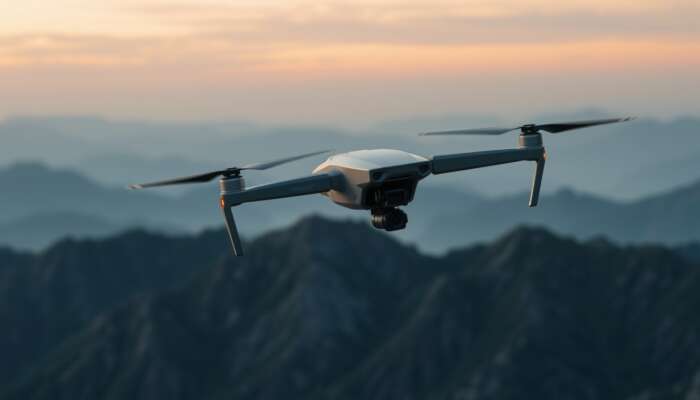
Local permits & safety — how to start
You should follow two parallel checks: federal aviation registration and municipal permissions.
- Federal: For commercial operations or drones above certain weights, register with Mexico’s aviation authority (DGAC) and carry the registration while flying.
- Municipal: Contact the municipal Public Safety or Tourism office if you plan rooftop setups, flights over events, or close work near protected heritage sites — they can confirm temporary closures or required permits.
For local safety context and suggested no‑fly ideas near public squares, see our city safety guide: San Miguel de Allende — safety.
Editing checklist (very short)
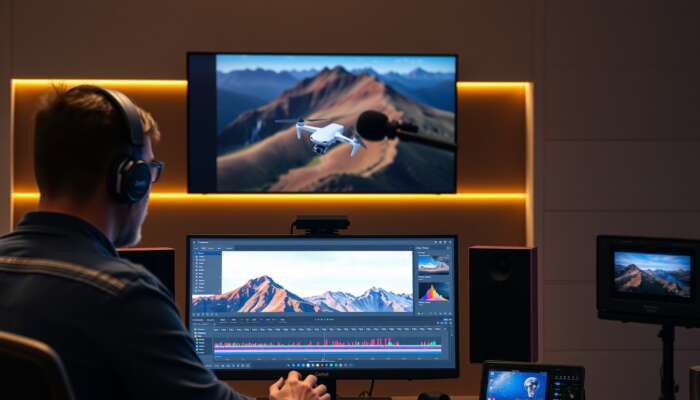
Start with stabilization, correct exposure and white balance, and a gentle color grade to restore warm tones at sunrise/sunset. Use subtle speed ramps for reveal shots; export H.264 or H.265 with a higher bitrate to retain sharpness if you’ll upload to 4K services.
Challenges pros watch for
Signal interference in narrow streets, sudden gusts, and festival crowds top the list. Always brief any ground crew, secure takeoff/landing areas, and have a contingency battery and landing plan.
Where to plan accommodation for fast access
If you want rooftop access and quick sunrise runs, choose a place in or near Centro. Our guide to the best neighborhoods helps balance convenience and views: Where to stay in San Miguel de Allende.
When to fly — short timing table
| Period | Why it matters |
|---|---|
| Nov–Apr (dry) | Clear skies and calmer mornings — best overall for long-range vistas. |
| May–Sep (rainy) | Afternoons are more unstable; plan early-morning shoots and watch for afternoon storms. |
Frequently asked questions
- Where can I legally fly in town?
- Check federal DGAC rules for registration and local municipal limits for heritage zones and festival dates; when in doubt contact the town’s Public Safety office or consult our local safety guide linked above.
- When is the best time of day?
- Golden hour at sunrise or sunset for texture and fewer people; mornings also tend to be less windy.
- What if I need permission to film a rooftop?
- Get written permission from the property owner and verify municipal requirements for commercial or crowd-overflight operations.
Ready to plan a shoot?
For logistics, rooftop options and neighborhoods that give the best access to views, start with our detailed neighborhood guide and book accommodation near the Centro: Where to stay in San Miguel de Allende.
Also useful: flight options and local photography workshops if you want an experienced local shooter.

Clara Beaumont is a distinguished author and cultural enthusiast based in San Miguel de Allende. With a passion for exploring the diverse aspects of this vibrant city, she writes engaging pieces that illuminate its history, art, and community. Clara’s work aims to inspire both residents and visitors, fostering a deeper appreciation for the unique charm and rich stories that San Miguel de Allende has to offer.
Ah, the art of aerial cinematography—where the rules are almost as good as the views! Capturing those breathtaking sequences in San Miguel de Allende really does feel like a cinematic treasure hunt. Just imagine soaring over the beautiful rooftops, feeling like you’ve stepped directly into a painting—which sounds all good until you realize you’re about to give a friendly historical landmark an unwanted buzz cut with your drone!
Haha, I love the idea of capturing those golden hour shots in a city as beautiful as San Miguel de Allende! It’s all about making that drone dance, isn’t it? I once took my drone out during the ‘magic hour’ in Mexico City, thinking I was the next Spielberg but ended up with a bunch of windblown potato footage. Definitely learned the hard way that gimbal moves matter!
This post raises some intriguing points about aerial cinematography in San Miguel de Allende. The emphasis on timing, particularly shooting during the golden hour, really can’t be overstated. I’ve found that lighting can transform an average scene into something magical, especially in a place as visually rich as San Miguel.
This post genuinely resonates with anyone who’s ventured into aerial videography, particularly in such a visually stunning location like San Miguel de Allende. The elements you highlight—like the importance of the right spot and the timing—are essential for capturing the essence of a place. In my experience, the golden hour truly transforms not just the visuals but also the emotions conveyed in the footage. The delicate light serves to enhance colors and cast soft shadows, crafting an entirely different atmosphere compared to mid-day shoots.
This is a valuable reminder of the importance of preparation when capturing aerial footage in a visually stunning location like San Miguel de Allende. The emphasis on timing—particularly during the golden hours—aligns well with my own experiences in the field. It’s striking how a subtle change in lighting can completely transform a shot and enhance its emotional impact.
This is a fantastic breakdown of what it takes to truly capture the essence of San Miguel de Allende from the sky. Your emphasis on the golden hour resonates with me; there’s something about that soft light that transforms landscapes into dreamscapes.
This is such a timely reminder of the essential nuances in drone videography, especially in a place as visually stunning as San Miguel de Allende. I appreciate the emphasis on permits – it’s easy to overlook, but it can make or break your shoot. I recently had a similar experience in another picturesque town where I shot without checking the local regulations first, and it almost cost me my footage.
I really appreciate your insights on capturing aerial footage in such a beautiful place as San Miguel de Allende. It’s interesting how the right conditions and planning can elevate a drone clip from just decent to truly breathtaking. The emphasis on shooting during the golden hour resonated with me—there’s something magical about the soft light at that time that just enhances everything.
Your insights about capturing cinematic aerial footage in San Miguel de Allende resonate deeply with the challenges many drone enthusiasts and professionals face today. The emphasis on not just locations, but also the necessity of understanding local regulations and the importance of the timing—especially during the golden hour—can not be overstated. It’s fascinating to see how these factors can exponentially enhance the quality of the footage.
Your breakdown of capturing aerial footage in San Miguel de Allende is quite enlightening, especially regarding the nuances of permits and timing. It’s fascinating how seemingly minor details can significantly elevate video quality.