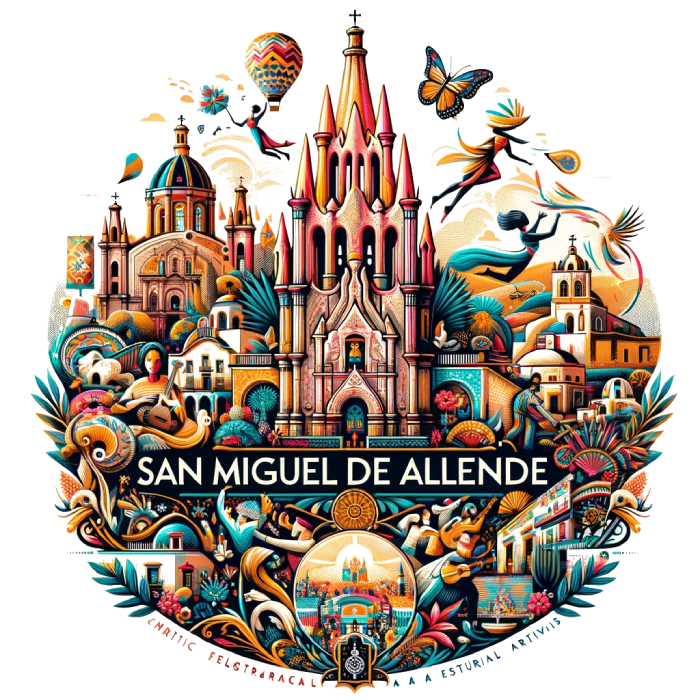
Find the right food-focused experience in San Miguel de Allende—whether you want a short market-and-street-food walk, a hands-on cooking class, or a deeper dining and tasting itinerary.
If you’re comparing food tours, note that spirit-focused experiences (tequila/mezcal) are covered in detail on our tequila tours page; see “Book a tequila tour” in the decision table below.
Planning to sample local spirits? See our detailed guide to book a tequila tour in San Miguel de Allende.
Which Culinary Experience Should You Choose?
| Type | Typical duration | Best for | Booking tip |
|---|---|---|---|
| Food-walking tours (street food & market stops) | 2–3 hours | First-time visitors, quick sampling, local stories | Book 1–2 weeks ahead in high season; look for groups under 12 for a better experience. |
| Hands-on cooking classes | 3–6 hours (half-day) | Home cooks wanting techniques, recipes to take home | Ask if ingredients/meals are included and whether recipes are provided; reserve 2–4 weeks ahead for popular schools. |
| Market + chef experiences (ingredient sourcing + tasting) | Half day to full day | Food lovers who want context, sourcing, and a curated meal | Confirm market access and whether the tour includes an on-site meal; small-group options sell out in festivals. |
| Beverage-focused tours (tequila, mezcal, wine) | 2–6 hours | Drink-focused travelers and spirit enthusiasts | If spirits are your priority, see our tequila tours guide for recommended operators and booking windows. |
Planning Checklist Before You Book
- Decide the outcome: quick tasting, skill-building, or a curated meal with sourcing?
- Check inclusions: ingredients, equipment, transport, and whether tastings/meals are covered.
- Confirm group size and language of instruction.
- Ask about dietary restrictions up front — most operators can accommodate with notice.
- Reserve earlier around festivals (Día de los Muertos, Wine & Cheese events) and high season (Mar–May, Sep–Nov).
What To Expect On Different Culinary Experiences
Food-Walking Tours
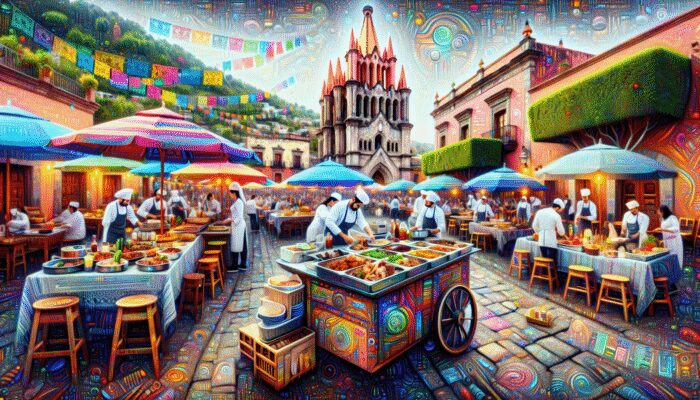
Walking tours combine short tastings, vendor stories, and neighborhood history. Expect to move at a relaxed pace, try several items (tacos, gorditas, sweets, street beverages), and receive tips on where to return later. Good walking tours introduce staples—tortillas, salsas, and regional specialties—without focusing on a single beverage type.
Hands-On Cooking Classes
Classes typically begin with ingredient introductions, proceed through hands-on prep, and end with a shared meal. Choose classes that provide written recipes and use local produce; a chef-led small class (6–10 people) offers the best learning environment. If your focus is spirits pairing or distillery visits, pair the class with a separate beverage tour or consult our tequila page for agents who combine both.
Market + Chef Experiences
These combine market navigation, ingredient selection, and a chef-led meal built from what you’ve chosen. They’re ideal if you want to understand sourcing and seasonality; these programs often last longer and can include visits to small producers or tortillerias.
When To Go And When To Book
Timing affects weather, festivals, and ingredient availability. Below is a compact guide to help you plan.
| When to go | Why | Booking window |
|---|---|---|
| March–May (spring) | Mild weather; markets full of spring produce. | Book 2–4 weeks ahead; festivals require earlier booking. |
| September–November (fall) | Harvest flavors; Wine & Cheese events and Día de los Muertos add special menus. | Book 3–6 weeks ahead around major events. |
| June–August (summer) | Hotter with occasional rain; good for indoor cooking classes. | Book 2–3 weeks ahead. |
Note: If you want a tour that includes regional spirit tastings, plan earlier and use the tequila page for recommended operators—those combined experiences can be limited and sell out faster.
How To Choose A Reputable Tour Operator
Operators vary by focus and scale. Follow these practical steps to evaluate options:
- Read Recent Reviews Look for comments about group size, language of the guide, and whether the itinerary matched the listing.
- Ask About Sourcing A good culinary tour will explain where ingredients come from and prioritize local producers.
- Confirm Inclusions Are meals, ingredients, and transport included? Are recipes provided?
- Check Credentials Guides who are local chefs or long-time food writers tend to offer better context and technique.
- Group Size Matters Smaller groups (under 12) usually mean more hands-on attention in classes and easier access in markets.
If you prefer larger or private group logistics, consult our group tours guide for planning tips and operator questions that scale to bigger parties.
Packing List And Budgeting (Practical Details)
- Closed-toe shoes for market and kitchen work
- Notebook or phone for recipes and photos
- Sun protection for outdoor market stops
- Any chef tools requested in advance
Expect local walking tours to start around $30–$70 USD, cooking classes $65–$150 (materials and meals included), and market + chef experiences often $90–$200 depending on meal level and group size.

Why Local Chefs, Ingredients, And Hands-On Work Matter
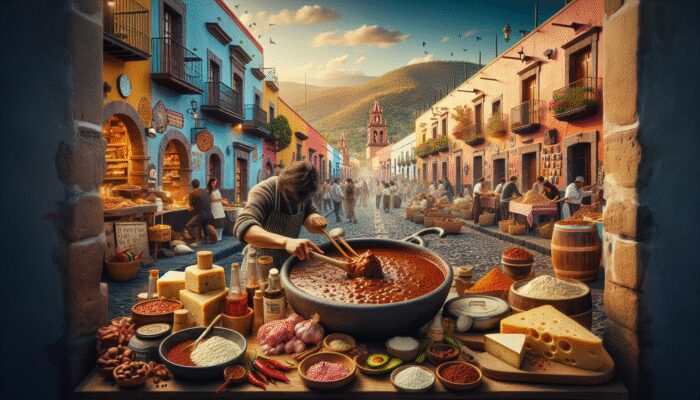
Local chefs connect recipes to place: they explain why certain chilies, cheeses, or cooking fats are preferred and how seasonality shapes menus. Hands-on classes and market visits turn passive tasting into a learned skill—return home with replicable techniques, not just memories. Emphasize tours that highlight local producers, tortillerias, and family-run stalls for genuine context.
Sustainability And Community Impact
Choose tours that support local suppliers and avoid ones that pressure producers for staged experiences. Responsible operators prioritize fair compensation for vendors, limit group sizes in markets, and minimize food waste in cooking programs.
If your trip is drink-focused, check our tequila guide; for hands-on skills, explore local cooking schools below.
Trends Shaping Culinary Tours
Personalization, sustainability, and immersive sourcing are the main trends. Operators now offer vegetarian/vegan streams, private chef evenings, and farm-to-table visits outside the city. Technology—digital recipes, post-tour follow-ups, and virtual classes—extends the learning beyond the day itself.
What You’ll Take Home
Participants often leave with new recipes, a deeper appreciation for seasonality, and contacts—chefs, vendors, and producers—they can return to on a future visit. Culinary tours can change how you cook, shop, and think about food long after you return home.
Frequently Asked Questions
When Are The Optimal Months For Culinary Tours?
March–May and September–November offer mild weather and abundant seasonal produce; book earlier around festivals like Día de los Muertos.
How Long Do Tours Usually Last?
Walking tours run 2–3 hours; most cooking classes are half-day (3–6 hours); market+chef packages vary from half to full day.
Are Culinary Tours Suitable For Beginners?
Yes—most classes welcome beginners; choose small-group classes if you want more hands-on instruction and direct feedback from the chef.
Do Operators Accommodate Dietary Restrictions?
Most do if informed at booking. Always confirm in writing and ask for example substitutions.
What’s Typically Included In The Price?
Prices often include the guide, tastings, cooking ingredients, and a final meal; confirm whether drinks, transport, or recipe handouts are included.
Can Children Join Culinary Tours?
Many tours welcome families; check age guidelines—hands-on classes may have minimum ages for safety.
Is Transportation Provided?
Depends on the operator. Walking tours start downtown; market and chef experiences sometimes include short transfers—confirm when booking or check our complete travel guide for logistics tips.
- Choose the outcome (taste, learn, source).
- Compare 2–3 operators, focusing on group size and inclusions.
- If your interest is spirits-heavy, book a tequila tour; otherwise, explore cooking classes via our cooking schools page.
See also: traditional dishes, San Miguel cooking schools, and group tours guide.

Cameron Hale is an insightful author and enthusiast of San Miguel de Allende, where he explores the rich culture, history, and vibrant community of this enchanting Mexican city. With a keen eye for detail and a passion for storytelling, he captures the essence of life in San Miguel, sharing unique perspectives on its art, cuisine, and local traditions. Through his engaging writing, Cameron invites readers to discover the charm and allure of this remarkable destination.
The culinary scene in San Miguel de Allende truly encapsulates the heart and soul of Mexican culture, wouldn’t you agree? Your insights into the fusion of indigenous ingredients with colonial influences highlight an essential aspect of this city’s culinary heritage. I’ve had the pleasure of exploring some local markets there, and the vibrant colors and aromas were nothing short of enchanting. It’s remarkable how much storytelling happens through food. Each dish really does tell a tale of the past, incorporating centuries of tradition while still evolving with modern techniques and flavors.
The exploration of culinary traditions, especially in a culturally rich locale like San Miguel de Allende, raises some fascinating points about how food not only nourishes us but also serves as a reflection of a community’s history and identity. The blending of indigenous ingredients with colonial influences presents an opportunity to examine the historical context of these flavors—how local resources have been shaped by external influences, and what that means for the culinary narrative of the region.
The culinary tours in San Miguel de Allende truly encapsulate the essence of this vibrant city. I remember walking those cobblestone streets and discovering local markets bursting with colors and flavors, a feast for the senses. The blend of indigenous ingredients with colonial heritage not only highlights the rich history but also invites us to reflect on how food can serve as a bridge between cultures.
San Miguel de Allende seems like such a culinary gem! I love how the tours not only focus on the food but also delve into the history behind each dish. When I visited, I was amazed by the way traditional recipes incorporate local ingredients, making each bite a story of its own.
Exploring the culinary landscape of San Miguel de Allende sounds like a delightful experience that goes beyond just tasting food; it’s about connecting with the rich cultural tapestry of the region. I’ve always believed that food tells stories, and in a place with such a deep history, each dish likely carries tales of heritage, tradition, and innovation.
Culinary tours in San Miguel de Allende represent more than just an exploration of food; they embody a cultural journey through time and tradition. This city, known for its artistic heritage and vibrant community, offers a unique backdrop that enhances the food experience. For anyone with a passion for culinary arts, participating in these tours could reveal a lot about the history and social fabric of the region.