Yes — vineyards near San Miguel de Allende are worth a day trip: here’s when to go, a quick decision table, vetted visit tips, and concise booking and safety guidance so you can plan a tasting without surprises.
Quick Decision Box
If you have one free day: book a guided vineyard tour (safe, no driving), or rent a driver for a half-day if you prefer independent visits. If you’re short on time or visiting in high season, pick one winery with lunch and return to town by late afternoon.
Before you go, read our safety notes and planning tips: Is it safe in San Miguel de Allende?
At-A-Glance Planning Table
| When to go | Access | Transport | Typical cost | Ideal visit length |
|---|---|---|---|---|
| October–May (dry, mild) | Most vineyards 30–60 min drive from town | Guided tour (recommended) or private driver; avoid self-driving after tastings | Tours US$35–$90; tastings often US$10–$25 | 3–6 hours (with meal: half day) |
Where To Start: Types Of Vineyards And How To Pick One
Vineyards around San Miguel range from boutique family-run estates to larger boutique-commercial properties with on-site restaurants. Pick by experience: tasting-only (fast), tasting + lunch (relaxed), or a full tour that includes the cellars and grounds. For mapped options and vetted operators, see our round-up of top day trips from San Miguel, which includes vineyard excursions and practical maps.
Curated Visitor Picks (What You’ll Typically Find)
Below are common visitor favorites and what to expect; hours and tours change seasonally, so call ahead or book through a tour operator. For a practical map and operator list, use our day-trips page linked above.
- Smaller Boutique Estates — family-run, intimate tastings, best for learning about local techniques and meeting winemakers.
- Vineyards With Restaurants — pair tastings with regional cuisine; often require reservations for weekend lunch.
- Scenic Wineries — choose these for photography and panoramic views; they usually charge a modest tasting fee.
- Production Cellars — tour-focused, good if you want to see barrel rooms and winemaking equipment.
- Combined Ranch + Wine Experiences — add horseback rides or farm-to-table meals to a vineyard visit.
Practical Visit Checklist
- Book tastings in advance for weekends and holidays.
- Plan transport: guided tours or private drivers are the safest option after tastings.
- Bring a light jacket—wind and early-evening chill are common at vineyards.
- Confirm what the tasting fee includes (number of pours, food pairing, tour access).
- Respect local rules: many estates ban outside food, and service animals/pets may be restricted.
Booking, Timing, And Cost — Brief Guide
Peak visitor season runs November–March and holiday weeks; book 1–2 weeks ahead for popular properties and 2–3 weeks ahead for weekend lunches. For off-peak visits (April–June, September), you can often book 2–3 days ahead.
| Service | Booking window | Typical price |
|---|---|---|
| Guided vineyard tour + transfers | 1–3 weeks ahead | US$50–$120 per person |
| Self-drive tasting (no lunch) | 2–7 days ahead | Tasting fees US$10–$25 |
Safety And Local Logistics
Vineyard visits are generally safe when you follow standard travel precautions. If you plan to drink, use a guided tour or hire a private driver; do not rely on public transport after tastings. For detailed safety and current travel advisories, read our site’s focused safety guide: Is it safe in San Miguel de Allende?
Transport Tip
If you fly into the region, factor airport transfer time into your vineyard itinerary—see our airport notes for options and realistic transfer times: Airport in San Miguel de Allende.
About Winemaking Here (Short, Local-Focused)
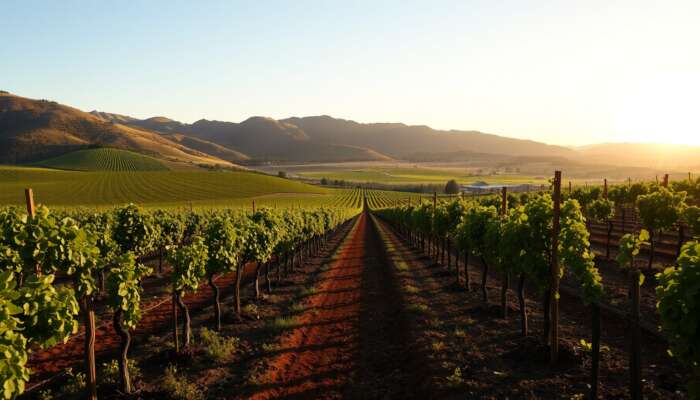
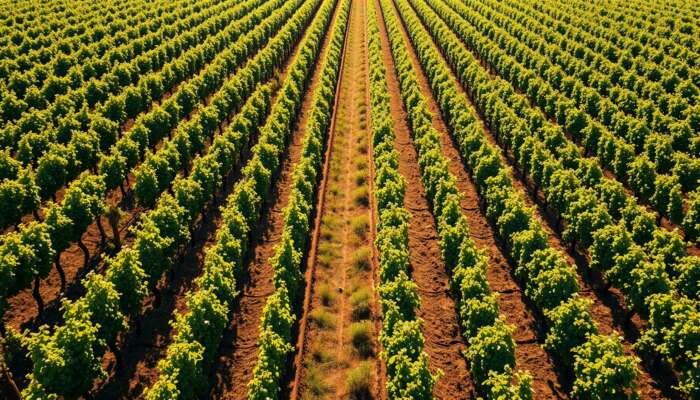
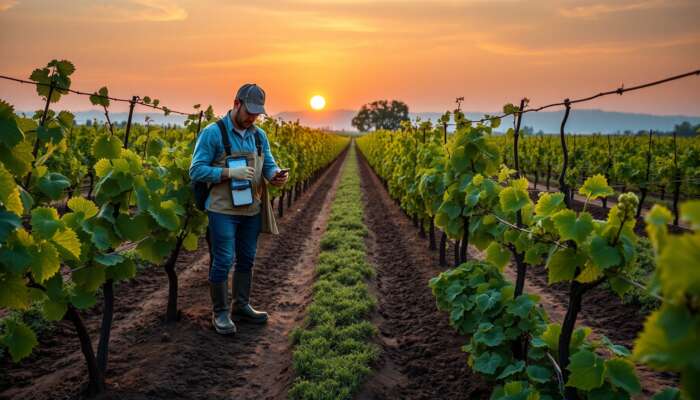
Local vineyards combine traditional techniques with compact, sun-exposed terroirs; tastings are your best way to learn specifics about grape varieties, irrigation, and soil. If you want deeper technical reading on pruning, soil strategy, and fermentation, this article keeps that background intact but condensed so your visit planning stays primary.
What To Expect At Tasting Rooms
- Most tastings include 4–6 pours and last 45–90 minutes.
- Look for pairing options—some estates include small plates or full lunches.
- Respect capacity limits; some places close bookings early on weekends.
Where To Book And Who To Trust
We recommend booking through a local tour operator for first-time visitors or when you want transfers included. For independent travelers, use the top day trips page as a starting point to compare operators and see suggested routes. If you’re organizing a private trip and need broader trip planning, our complete city guide explains neighborhood logistics and lodging choices: San Miguel de Allende — your complete travel guide.
Ready to book a vineyard day trip?
See vineyard day trips & operators
Or read our complete travel guide for timing, lodging, and transport tips.
Short FAQ — Quick Answers Visitors Ask Most
How Long Does A Typical Visit Take?
Expect 3–4 hours for a single winery with lunch; combine two nearby tastings for a half day if travel times are short.
Are Vineyard Tours Family-Friendly?
Many estates welcome families but policies vary; confirm in advance about minors, children’s activities, and stroller access.
What Does A Tasting Cost?
Tasting fees typically run US$10–$25; full tours with meals or barrel tastings cost more and are often priced per person.
Can I Drive Myself?
You can, but don’t drive after drinking. For comfort and safety, book a guided tour or private driver—see our transport and airport notes: Airport & transfer tips.
Final Checklist Before You Go
- Confirm your booking and ask whether tasting fees are refundable.
- Arrange a driver or tour transfer if you plan to drink.
- Check weather for the day—bring sun protection and a light layer.
- Have local cash for small purchases; cards are widely accepted but rural POS can be limited.
If you want a broader set of day-trip ideas that include hot springs, nature, and vineyard combos, browse our curated day trips and operator suggestions: Top day trips from San Miguel.

Eliot Mercer is an insightful author and local enthusiast, specializing in the vibrant culture and scenic beauty of San Miguel de Allende. With a passion for storytelling, he explores the rich history, diverse arts, and unique lifestyle of this enchanting Mexican town, providing readers with a captivating lens through which to view the community. Through his engaging writing, Eliot invites others to discover the charm and allure of San Miguel de Allende, sharing his personal experiences and deep appreciation for the area’s traditions and modern dynamics.
I found your insights on the vineyards of San Miguel de Allende to be a captivating gateway into the intricate world of winemaking and its cultural significance. Your point about planning ahead, especially when visiting during peak seasons, resonates deeply with me. I recall my own experience navigating a bustling wine region, where the anticipation of daily tastings was often tempered by the need to plan strategically. It really elevates the experience when you take the time to consider logistics, allowing for a more immersive and enjoyable exploration of the wines and the stories behind them.
I really enjoyed your breakdown of the vineyard experience in San Miguel de Allende! It’s fascinating how the intricacies of vineyard management can resonate with the local culture and community. I’ve always found that the essence of a vineyard isn’t just in the grapes but in the stories behind them—the traditions, the families who have been cultivating them for generations, and the local practices that differentiate one vineyard from another.
The topic of vineyards and their role in the intricate art of wine production truly resonates with me, especially considering how much these landscapes are embedded with cultural and historical significance. When I think about vineyards like those in San Miguel de Allende, I am reminded of the delicate balance between tradition and innovation that defines winemaking. Each vineyard tells a story, not just of the grapes they grow, but of the people and the community that nurture them.
I really appreciate the focus on planning your vineyard visits; it can make all the difference in fully enjoying the experience. When I visited Napa Valley last year, I learned firsthand how crucial timing can be. Arriving early not only helped us avoid crowds but also gave us the opportunity to fit in a more in-depth tour that we wouldn’t have been able to do later in the day.
Your exploration of the essence of vineyards in San Miguel de Allende raises some intriguing points about the critical role they play in wine production. The meticulous approach taken by vineyard managers in regions like Napa Valley highlights the intricate balance between tradition and innovation. It’s fascinating to consider how sustainable farming practices, such as organic viticulture or biodynamic methods, are increasingly influencing not only the quality of wine but also the health of local ecosystems.
I found your exploration of the vineyards in San Miguel de Allende both informative and thought-provoking. The careful balance of agricultural practices you described highlights what many may overlook when enjoying a fine wine: the dedication and planning that goes into each bottle. As someone who has experienced the rich winemaking traditions in various regions, I have always been fascinated by how local climates and soil types can dramatically influence the flavor profiles of wines.
Loved reading this! The way you break down the essentials of vineyard management really highlights the artistry and science behind winemaking. I visited a vineyard in Napa last summer, and it was fascinating to see firsthand the care that goes into each grape. The staff explained cover cropping and how it not only enhances soil health but also supports local biodiversity. It made me appreciate my wine choices so much more.
It’s great to hear you enjoyed the read! Vineyard management does have a way of blending artistry and science, doesn’t it? It’s like watching a complex dance, where each grape gets its moment in the spotlight.
Your insights on planning a vineyard visit in San Miguel de Allende reflect such a thoughtful approach to travel, especially in a place as vibrant and multifaceted as this region. I truly appreciate how you emphasized the importance of planning ahead, particularly during peak season. I remember my first trip to a vineyard near here; the excitement was palpable, but I learned the hard way that some venues require advance bookings.
I really appreciate the practical tips you shared about visiting the vineyards around San Miguel de Allende! I’ve been contemplating a trip to that area, and your suggestions on planning around traffic and safety are super helpful. It’s so easy to get caught up in the excitement and overlook the logistics, especially when you’re cramming a lot into a single day.
This is such a valuable resource for anyone considering a vineyard trip in the San Miguel de Allende area. I completely agree that pre-planning is crucial, especially during peak seasons when places can quickly become crowded. Last summer, I made the mistake of not booking a guided tour in advance, and it cost me the chance to experience some amazing wineries.
I appreciate your emphasis on planning for a vineyard trip in San Miguel de Allende—it’s crucial for a seamless experience. I once visited a vineyard in the area during peak season, and I learned the hard way about the importance of timing and reservations. We ended up waiting for a table at lunch, which cut into our tasting time. Your advice about considering a guided tour is spot on; it allows for a more relaxed experience without the stress of driving.