
Travelers often ask: what’s the fastest, cheapest, and most culturally rich way to go from San Miguel de Allende to Oaxaca? Below are clear options and a compact 3‑day itinerary you can use as a practical plan.
Want guided cultural experiences in San Miguel before you leave? See our recommended cultural tours in San Miguel for workshops and expert-led visits.
- Fastest Fly (San Miguel → Mexico City → Oaxaca) — total door‑to‑door typically 4–7 hours depending on transfers.
- Cheapest Overnight or daytime bus (ADO/ETN) — expect 9–12 hours, fares vary by class.
- Most Cultural / Flexible Drive or private transfer (6–8 hours) with stops at artisan towns and markets en route.
Compare Travel Options — Quick Table
| Option | Typical time | Typical cost (USD) | Comfort & notes | Best for |
|---|---|---|---|---|
| Drive / Private car | ~6–8 hours (direct) | $120–$300 (fuel + tolls / private transfer) | Most flexible; stop for markets, villages, photography. | Culture‑seekers who want side‑trips |
| Bus (ADO / ETN) | ~9–12 hours (depends on route) | $25–$55 | Cheapest; comfortable on premium coaches; limited stops. | Budget travelers and overnight trips |
| Fly (via Mexico City) | ~4–7 hours door‑to‑door (transfer included) | $120–$350 (varies seasonally) | Fastest; factor in transfer time to Mexico City airport. | Short trips; travelers with limited time |
When To Go & Booking Windows
- High Season July (Guelaguetza in Oaxaca) and late October–early November (Day of the Dead). Book transport and accommodations 6–10 weeks in advance for festivals.
- Shoulder Months March–May and September–October offer pleasant weather and fewer crowds—book 3–6 weeks ahead.
- Budget Window January–early March often has lower fares; buses have steady year‑round schedules.
How To Choose: Three Practical Picks
Fly via Mexico City; use Querétaro or León as nearest regional airports if you prefer shorter ground transfers. See our airport transfer guide for options.
Book a reputable ADO or ETN bus—overnight buses save a night’s accommodation. Bring earplugs and a light blanket for comfort.
Drive or hire a private transfer and stop at artisan towns (we recommend Teotitlán del Valle and Mitla near Oaxaca). For curated local experiences, check our cultural tours.
3‑Day Cultural Itinerary (Arrive In Oaxaca On Day 1)
This compact itinerary focuses on Oaxaca city and nearby artisan villages so each day yields meaningful cultural encounters without rushing.
Day 1 — Arrival & Centro Histórico (Evening)
- Morning: travel from San Miguel (drive, bus, or fly). If you drive, plan a mid‑route market stop for fresh food and photos.
- Afternoon: arrive in Oaxaca, check into lodging near the Zócalo for easy walking access.
- Evening: walk the historic center, sample tlayuda or street tacos, and stop for mezcal tasting at a local mezcalería.
Day 2 — Markets, Moles, And Museums
- Morning: Mercado 20 de Noviembre and Mercado Benito Juárez — try local quesillo and mole; vendors often demonstrate traditional techniques.
- Midday: short walking visit to the Museum of Oaxacan Cultures or a cooking class to learn mole basics.
- Late afternoon: visit a mezcal palenque or a small artisan workshop; book a guided tasting to learn production and tasting notes.
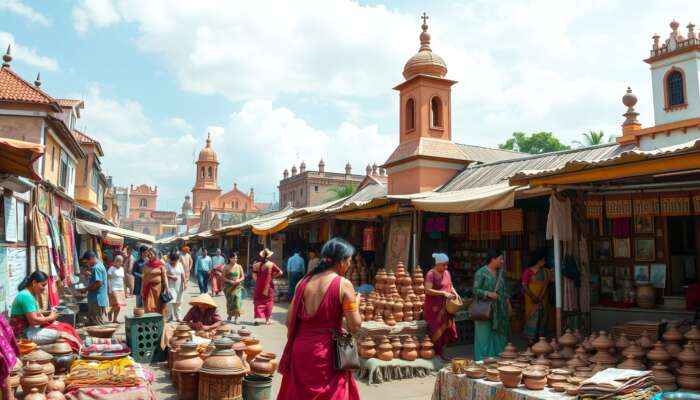
Day 3 — Artisan Villages: Textiles And Rugs
- Morning: drive or join a tour to Teotitlán del Valle (weaving) — observe backstrap weaving and natural dyes; many workshops welcome short demonstrations.
- Midday: continue to Mitla to see Zapotec architecture; stop at family‑run cooperatives for pottery and textiles.
- Afternoon: return to Oaxaca city and finish with an evening performance or a final market shopping session.
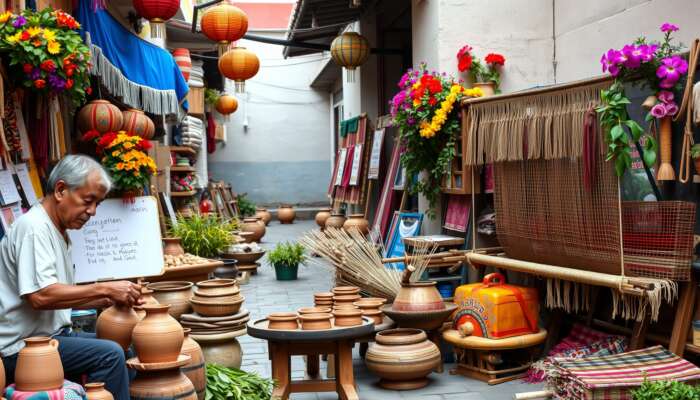
If you prefer a curated experience, look for small group cultural tours that combine market visits with artisan workshops — search our cultural tours listing for nearby options and inspiration.
Planning Checklist — Essentials Before You Go
- Tickets Book flights or long‑distance buses 3–10 weeks ahead depending on season; buses are reliable year‑round.
- Driving Expect toll roads; consider an early departure to avoid city traffic. Bring printed directions or an offline maps backup.
- Money Cash is preferred at markets and small vendors; ATMs are common in Oaxaca city.
- Health & Safety Use bottled water and follow food‑safety caution at street stalls if you have a sensitive stomach.
- Connectivity SIM cards and roaming work well in Oaxaca city; schedule downloads or offline guides for rural stops.
Where To Read More (Internal Picks)
- El Nigromante — a cultural treasure in San Miguel — context on San Miguel’s artistic scene (useful background before you travel).
- San Miguel vs Oaxaca — a short comparison to help decide how much time to spend in each city.
- San Miguel primer — quick practical tips if you’ll depart from the historic center.
For a richer San Miguel cultural context and recommended visits before you head to Oaxaca, read our featured piece on El Nigromante.
Short FAQ
Choose between driving/private transfer (flexible stops), a long‑distance bus (cheapest), or flying via Mexico City (fastest door‑to‑door). If you need airport transfer details, see our San Miguel airport guide.
What’s The Easiest Way?
For pure ease and time savings, fly via Mexico City; allow extra time for transfers to/from regional airports. For the simplest ground option, a direct ADO/ETN bus is low‑stress and leaves from standard terminals.
Is It Safe?
Both San Miguel and Oaxaca are popular with visitors and generally safe for tourists who follow standard precautions: avoid poorly lit isolated areas at night, use trusted transport providers, and keep valuables secure. See our safety guide for more on staying safe in San Miguel: Is it safe in San Miguel?
If you want a ready itinerary tailored to your travel style (slow cultural stops, family‑friendly, or fast sightseeing), reply with your dates and preferences and we’ll suggest a customized 3–5 day plan.

Eliot Mercer is an insightful author and local enthusiast, specializing in the vibrant culture and scenic beauty of San Miguel de Allende. With a passion for storytelling, he explores the rich history, diverse arts, and unique lifestyle of this enchanting Mexican town, providing readers with a captivating lens through which to view the community. Through his engaging writing, Eliot invites others to discover the charm and allure of San Miguel de Allende, sharing his personal experiences and deep appreciation for the area’s traditions and modern dynamics.
Your exploration of cultural heritage resonates deeply with me, especially the emphasis on storytelling as a vessel for wisdom and identity. Growing up in a multicultural neighborhood, I witnessed firsthand how our diverse traditions intertwined—like the vibrant festivals that celebrated both Diwali and Lunar New Year. These experiences shaped my understanding of community, illustrating how cultural narratives can foster empathy and connection.
You’ve highlighted some crucial aspects of cultural heritage that resonate deeply with me. It’s fascinating how cultural heritage not only shapes our individual identities but also fosters a sense of belonging within our communities. I often think about how globalization can both enrich and threaten these identities. While exposure to diverse cultures enhances our worldview, it also risks diluting the unique traditions that define us.
Your exploration of cultural heritage as a cornerstone of community identity raises some significant points that deserve deeper consideration. The way you emphasize the intricate artistry and unique traditions highlights how these elements are not merely aesthetic or ceremonial but rather vital threads that weave together the fabric of society.
You really touched on something important with your observation about cultural heritage. It’s fascinating how artistry and traditions serve as these vital threads in our societal fabric, shaping not just identity but also community resilience. I’ve often thought about how the loss of cultural elements can impact mental health and community well-being. When you remove those threads, it feels like a part of the collective identity is frayed, which can lead to a sense of disconnection or even disenfranchisement.
You raise such an important point about cultural heritage and its role in our identities and communities. It’s interesting how artistry and traditions can act like a lifeline, connecting us to our histories and to each other. I’ve noticed that when communities embrace and share their cultural practices—be it through dance, music, or even storytelling—it fosters a sense of belonging that can be incredibly powerful.
You raise such an interesting point about the role of storytelling in cultural heritage! It’s fascinating how this art form is like the Wi-Fi of tradition—connecting us to past generations, even when the signal can sometimes be shaky (thanks to Uncle Bob’s tendency to embellish the family legends).
Your reflections on cultural heritage resonate deeply with me, especially the importance of storytelling as a vehicle for preserving wisdom. I grew up in a community where oral histories played a crucial role in keeping our traditions alive, particularly through events like storytelling nights. It’s fascinating how these gatherings not only reinforced our shared identity but also brought us together, bridging generational gaps.
I found your breakdown of travel options from San Miguel de Allende to Oaxaca both informative and relatable, especially considering how varied travel experiences can be depending on what we’re seeking. I appreciate the recognition of different priorities among travelers—whether one values speed, cost, or cultural richness.
Ah, the classic travel conundrum: speed vs. scenic! I once took the bus from San Miguel to Oaxaca and spent the whole time wondering if I should’ve just flown. But then I remembered the delightful pit stops where I tried something called “verracos” in a tiny roadside stand—no regrets there!
I’ve recently made the journey from San Miguel de Allende to Oaxaca, and I can attest to the value of choosing a travel option that not only saves time and money but also enriches the experience. While the overnight bus is indeed the cheapest option, I found that the flexibility of a private car made my trip far more memorable. Stopping at artisan towns along the way allowed us to appreciate the local craftsmanship and connect with the communities, which often gets lost during direct travel.