San Miguel de Allende is an excellent place to taste mezcal—whether you want a guided distillery visit, an evening at a mezcal bar, or a small-group tasting event. The short plan below helps you pick the right option and book it confidently.
Quick Answer: Top 3 Ways To Taste Mezcal Here
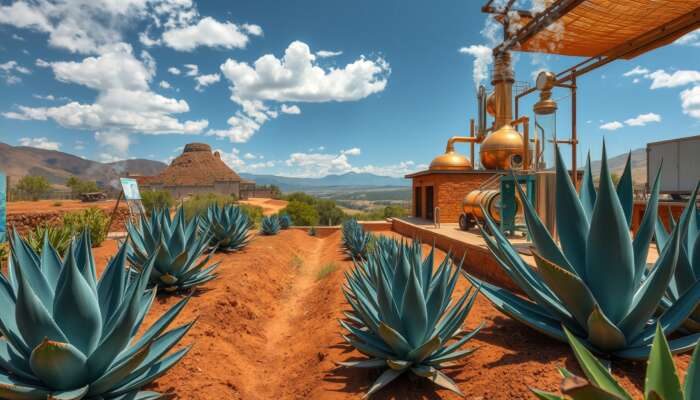
Guided day tour to a nearby palenque (best for learning and photos); dedicated mezcal bar or rooftop tasting in Centro (best for variety and an evening out); or a private tasting event/hosted tasting at a boutique hotel or restaurant (best for groups and celebrations).
Compare Your Options At A Glance
| Option | Typical cost | Duration | Best for |
|---|---|---|---|
| Guided palenque/distillery tour | MXN 800–2,000 per person (approx.) | Half day–full day | Hands-on production, photos, regional story |
| Mezcal bars & rooftop tastings | MXN 120–450 per flight | 1–2 hours | Evening social tastings, variety sampling |
| Private or hosted tastings | MXN 1,000+ for small groups | 1–3 hours | Groups, celebrations, curated pairings |
When To Go — Timing & Booking Windows
San Miguel is busy November–March (festival season and holidays). For calm evenings and easier booking, visit April–June or September–October. If you want a palenque visit, book 2–4 weeks ahead in high season.
| Best Months | November–March for festivals and events; April–June for quieter travel and good weather. |
| Booking Window | Mezcal bars: walk-in often possible; tours/palenque: reserve 2–21 days ahead depending on season. |
How To Choose The Right Experience
- Learn And Photograph pick a guided palenque or craft-distillery tour.
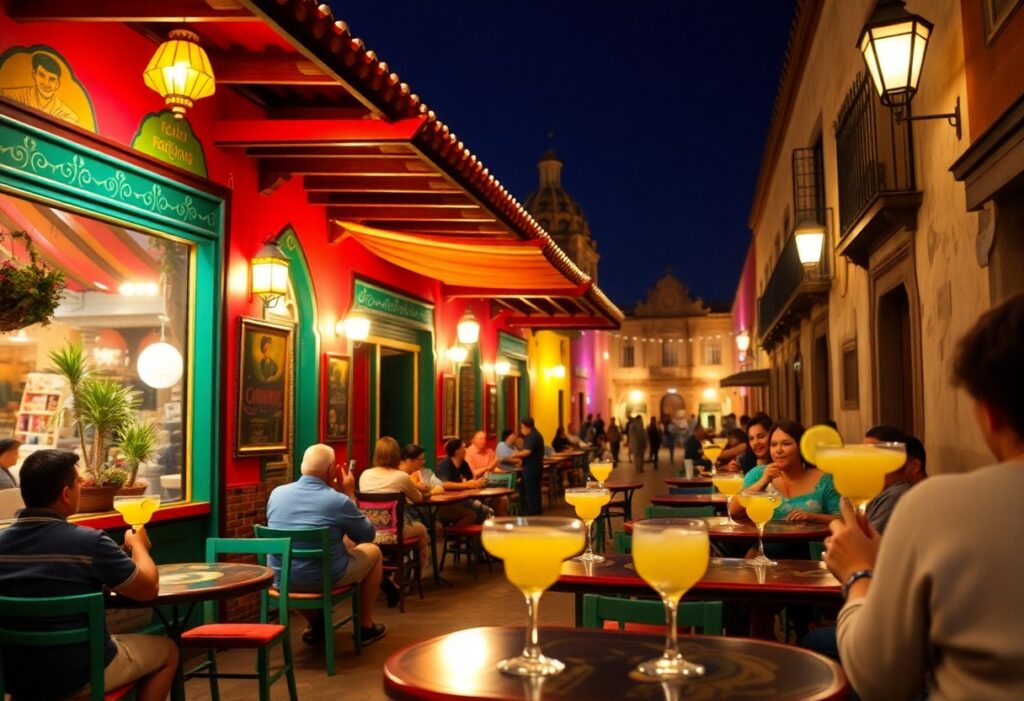
- Variety & Evenings Out head to a dedicated mezcal bar or a rooftop that advertises curated flights.
- Groups Or Celebrations arrange a private tasting with a hotel or restaurant sommelier.
For broader dining and drinks options near Centro, see our dining hub for recommendations and neighbourhood context: best restaurants & bars in San Miguel de Allende.
Finding Local Tastings (Practical Steps)
Because this page focuses on local planning rather than a global mezcal primer, the safest way to locate specific venues is to combine these three quick actions:
- Start at the Centro historic district after 6 p.m. — many mezcal bars concentrate here and on nearby rooftops.
- Ask your hotel or host for their current mezcal bar recommendations and whether they can book a hosted tasting; concierge suggestions often include opening hours and private- tasting options.
- Use local listings or the city’s dining hub for curated suggestions and links to current reviews: dining & drinks hub.
Note: we keep venue names and seasonal hours updated on the dining hub to avoid stale details on this planning page.
Tasting Technique: How To Read A Mezcal Flight
A quick tasting routine helps non-experts focus on what matters:
- Look: note color and viscosity.
- Smell: take short, then deeper inhales; try to separate smoke, floral, fruity, and vegetal notes.
- Sip: let a small amount coat the tongue; notice texture, spice, and the finish.
- Pace yourself: alternate sips of water and small palate cleansers (plain crackers or apple slices).
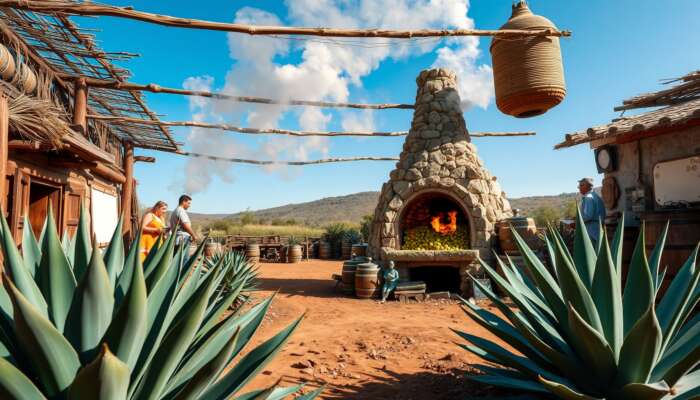
If you want the production story behind the bottle, reserve a palenque or workshop and ask about agave species—this is where espadín, tobalá and arroqueño reveal their differences.
Host Your Own Tasting In San Miguel
Hosting a small tasting is simple: choose three mezcals that differ by agave or production style (light to bold), provide plain crackers and water, and print short tasting notes for guests. Order or buy bottles from a trusted local shop and, when possible, include one artisanal mezcal to show traditional methods.
If you prefer a turnkey option, many boutique hotels and private chefs can organize guided tastings—ask them for a sample menu and per-person price.
Sustainability, Culture And What To Ask
Responsible mezcal producers emphasize sustainable agave harvesting, local employment and honest labeling (100% agave, no additives). When you visit or buy, ask:
- Which agave variety was used?
- Is it 100% agave or mixed/industrial?
- How is agave sourced and what are the producer’s sustainability practices?
Decision & Booking
Ready to choose? If you want curated local recommendations, start at our dining hub; if you prefer an immersive learning day, book a guided palenque tour early in high season.
Further Reading (Deep-Dive Sections)
Below are expanded topics retained from our longer mezcal coverage for readers who want production detail, tasting science, and hosting tips.
How Mezcal Is Made (Short)
Agave hearts (piñas) are roasted in earthen pits for smoky character, mashed, fermented and distilled—often in small cob distilleries—yielding diverse flavors depending on agave species and terroir.
Key Tasting Notes
Expect smoky, earthy, fruity and floral notes; some mezcals show spice, nuts or minerality. Tasting flights help compare these profiles side-by-side.
Hosting Tips (Brief)
Use neutral palate cleansers, label each sample, and order bottles that highlight contrasts—espadín for balance, tobalá for richness, and an arroqueño or tepeztate when you want boldness.
Frequently Asked Questions
Where Are The Best Mezcal Bars?
Many dedicated mezcal bars and rooftop venues cluster around Centro and the main plaza; for an updated list and context, check our dining & drinks hub linked above which curates current local spots.
Are Tastings Free?
Bars often offer paid flights; specialty shops may offer small sips when you purchase. Guided palenque tours and private tastings usually include a fee that covers transport and explanation.
How Should I Book A Tour?
Book tours through your hotel, a trusted local operator, or a listing on our ‘how to explore’ page; reserve earlier in November–March for festival dates.
If you want hands-on recommendations or help picking a specific bar or tour for your dates, tell us your travel window and party size and we’ll point you to the best options from our dining hub.

Clara Beaumont is a distinguished author and cultural enthusiast based in San Miguel de Allende. With a passion for exploring the diverse aspects of this vibrant city, she writes engaging pieces that illuminate its history, art, and community. Clara’s work aims to inspire both residents and visitors, fostering a deeper appreciation for the unique charm and rich stories that San Miguel de Allende has to offer.
Mezcal truly is a spirit with a personality—like that friend who tells the best stories after a couple of drinks. It’s fascinating how each bottle reflects its region, the type of agave, and even the individual distiller’s quirks. I once visited a mezcalería where the owner insisted that tasting mezcal is like a first date: if you don’t get a little surprised, you might be missing out on something special!
The emphasis on the traditional production methods of mezcal is particularly fascinating, as they highlight the importance of heritage and craftsmanship in modern spirits. Each sip can tell a story, shaped by the specific agave varietals and the unique processes of different mezcalerías.
You’ve touched on an intriguing aspect of mezcal—the complexity of its flavors and the traditional production methods. However, I wonder if there’s enough emphasis on the sustainability of agave farming practices, especially with the increasing popularity of mezcal. The rising demand might put pressure on local agave species and the ecosystems they grow in. It would be valuable to know how the mezcalerías you partner with address these concerns. Are there efforts to promote sustainable harvesting methods or support local farmers? Exploring these dimensions could enrich the conversation around mezcal and deepen our appreciation for not just the spirit, but the culture and environment it springs from. What are your thoughts on balancing the commercial aspects with sustainability in the mezcal industry?
You’ve raised such an important point about the intersection of mezcal production and sustainability. With the growing popularity of mezcal, it’s crucial that we pay close attention to the practices surrounding agave farming. The pressure on local ecosystems can definitely escalate if we’re not careful.
“That’s a fantastic point, and I’m glad you brought it up! If you’re interested in how some mezcalerías are leading the way in sustainable practices and supporting local farmers, check out this insightful resource.”
https://fallinginlovewithsanmiguel.com/transport
You’ve brought up a crucial point. The sustainability of agave farming is an important topic, especially as mezcal’s popularity grows. Many mezcalerías are starting to recognize this responsibility. Some are actively collaborating with local farmers to implement sustainable harvesting practices. This often includes replanting agave, selecting methods that don’t harm the ecosystem, and even creating programs that support farmers economically.
You raise a really important point about the sustainability of agave farming and its relationship to the growing popularity of mezcal. The depth of flavor and the traditional methods are definitely part of what makes mezcal special, but we can’t overlook the environmental impact that increased demand might have.
I’ve come across some insightful perspectives on culinary schools in San Miguel de Allende that might complement your thoughts on sustainable mezcal practices, especially considering the intersection of food, culture, and environmental impact.
‘Cooking Classes & Culinary Schools In San Miguel De Allende — Compare, Book, And Learn’
https://fallinginlovewithsanmiguel.com/cooking-schools-in-san-miguel-de-allende-a-global-culinary-adventure/.
I thoroughly appreciate your comprehensive exploration of mezcal and its significance within the context of San Miguel de Allende. The way you articulate the nuances of this distilled spirit really resonates with me, especially considering how diverse the agave species can be and how traditional methods contribute to the unique flavor profiles each batch can offer. It reminds me of the broader journey spirits take, not just in terms of ingredients but also in cultural heritage and local identity.
Your insights into mezcal and the cultural richness of San Miguel de Allende really resonate with me. I’ve recently developed a fascination with mezcal itself—not just for its unique flavors but also for the stories behind its production. Each agave species brings something different to the table, and learning about the traditional methods used in its distillation often adds a layer of appreciation to the tasting experience.
It’s fascinating how mezcal serves as a cultural bridge in San Miguel de Allende, reflecting the region’s rich heritage and the artistry behind its production. Having visited a few distilleries myself, I can’t stress enough how informative a guided tour can be. The stories shared by the mezcaleros about their craft elevate the experience beyond just tasting; it’s about understanding the land, the agave plants, and the generations of tradition involved.
It’s interesting how the mezcal scene in San Miguel de Allende reflects a broader cultural revival in Mexico, where artisanal crafts and local traditions are gaining prominence. I’ve found that mezcal tastings are often more than just about the drink itself; they become a storytelling experience that connects you to the land and its people.