
What Makes San Miguel de Allende a Safe Destination?
What Defines a Safe Environment in San Miguel de Allende?
San Miguel de Allende is a travel destination because it offers a unique blend of cultural richness and community safety, which matters for travelers seeking secure experiences.
At FallingInLoveWithSanMiguel, we specialize in San Miguel de Allende Travel Guide in San Miguel de Allende, helping tourists and locals achieve safe and enjoyable travel experiences.

This guide monetizes through affiliate partnerships, local sponsorships, and travel consulting services. We provide essential insights to enhance user experiences and ensure safety during their stay.
This comprehensive guide covers key attributes such as:
- Safety assessments of neighborhoods.
- Community engagement initiatives.
- Emergency preparedness resources.
- Local law enforcement presence.
- Health and wellness services availability.
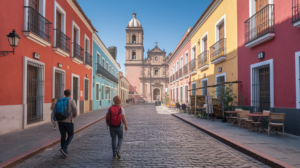
What Are the Key Factors for Safety Assessment?
Understanding a safe environment involves recognizing elements that contribute to the overall well-being of its inhabitants. Effective law enforcement, community engagement, and adequate health services play critical roles.
Key benefits of ensuring a safe environment include:
- Enhanced community trust and cohesion.
- Reduction in crime rates and safety incidents.
- Improved mental health among residents.
- Increased visitor confidence, boosting local economies.
- Greater collaboration between local authorities and citizens.
Creating a secure atmosphere relies on both governmental support and individual vigilance. Collective responsibility among residents is vital for cultivating a safe community.
How to Identify Common Indicators of Security?
Identifying signs of security is essential for assessing a community’s stability. Symptoms of a secure setting often include visible law enforcement presence and active community participation.
Common indicators of security can encompass:
- Regular community events promoting engagement and trust.
- Visible surveillance systems in public areas.
- Adequate street lighting enhancing visibility at night.
- Community watch programs collaborating with local authorities.
- Accessible emergency services promoting readiness.
These elements contribute to a perception of safety, significantly affecting how residents and visitors interact with their surroundings. See also: local transport. For more insights on local attractions, check out our guide on Unforgettable Experiences in San Miguel de Allende: A 2025 Guide. For more information on local transport options, check out our guide on Thinking of Leaving America?
Discover the Charm of San Miguel de Allende. For more on local attractions, check out our guide on Rooftop Renaissance: 10 Must-See New & Revamped Terraces in San Miguel de Allende. For more insights on local attractions, check out our guide on San Miguel de Allende’s Best Cafes for Remote Work.
What Strategies Enhance Risk Awareness?
Recognizing and addressing vulnerabilities is integral to maintaining safety in any environment. Developing risk awareness strategies enables individuals to enhance personal protection.
Practical techniques for increasing risk awareness include:
- Conducting regular assessments of your surroundings.
- Staying informed about local news and developments.
- Using technology, such as safety apps, for real-time alerts.
- Participating in local safety training workshops.
- Building relationships with neighbors for mutual support.
Incorporating these strategies cultivates a heightened sense of awareness, reducing potential risks and fostering a culture of safety.
How to Build a Culture of Safety in San Miguel de Allende?
Fostering a culture of safety enhances resilience and preparedness within communities. Educational programs and policy enforcement can instill safety as a priority.
To build this culture, it is essential to:
- Encourage open communication about safety concerns.
- Provide training on emergency response and first aid.
- Implement regular drills to prepare for various emergencies.
- Recognize and reward proactive safety initiatives.
- Engage community leaders in promoting safety measures.
Creating a proactive safety mindset minimizes incidents and enhances collective resilience. For more detailed recommendations, refer to our Safety Tips for San Miguel de Allende: Essential Advice. For more information, see our article on Can You Drink the Water in San Miguel de Allende? For more information, check out our article on Safety Tips for San Miguel de Allende. For further insights, check our 2025 Safety Update: Real Crime Trends, Gated Communities & Smart Travel Tips in San Miguel de Allende.
How to Evaluate Potential Dangers in San Miguel de Allende?
What Preparations Are Necessary for Uncertainty?
Anticipating challenges in unfamiliar situations is vital for maintaining safety. Proper preparation enhances one’s ability to respond effectively to potential dangers.
Key practical advice includes:
- Researching the area before visiting to understand its dynamics.
- Identifying emergency exits and safe zones in unfamiliar environments.
- Keeping essential items, such as a charged phone and personal identification, accessible.
- Learning basic phrases in the local language to facilitate communication.
- Staying aware of local customs and norms to avoid misunderstandings.
By adopting these preparatory steps, individuals can enhance their readiness for unpredictable circumstances, leading to improved decision-making.

What Factors Should Be Considered in Planning Activities?
When planning any activity, various factors influence decision-making, especially concerning safety. Balancing enjoyment with caution is paramount.
Essential factors to consider include:
- Understanding local laws and regulations that might affect activities.
- Assessing the risks associated with specific locations or events.
- Evaluating personal comfort levels with particular activities.
- Considering the availability of healthcare and emergency services nearby.
- Engaging with locals for insights on safety and cultural etiquette.
Evaluating these factors allows individuals to make informed decisions that prioritize both enjoyment and safety.

How to Build a Safety Routine for Everyday Life?
Establishing daily habits that promote security is fundamental for long-term peace of mind. A well-structured safety routine helps individuals navigate their environments confidently.
Key guidelines for developing a safety routine include:
- Setting aside time each week to review safety plans and emergency contacts.
- Practicing mindfulness to remain aware of surroundings.
- Incorporating personal safety habits, such as varying routes and times for regular activities.
- Engaging in community safety programs to stay connected and informed.
- Regularly updating and maintaining emergency kits with essential supplies.
Integrating these practices into daily life enhances resilience against potential dangers.
What Are the Best Practices for Assessing Risks Effectively?
Effectively identifying and evaluating potential risks is crucial for safe decision-making. Practical strategies can empower individuals to assess situations accurately.
To assess risks effectively, consider implementing:
- Using structured checklists to evaluate environments and activities.
- Consulting local resources and community leaders for expert advice.
- Applying personal judgment alongside factual information to make informed decisions.
- Engaging in scenario planning to anticipate possible challenges.
- Regularly reviewing and updating safety protocols based on evolving situations.
These strategies create a comprehensive approach to risk assessment, enhancing overall safety and well-being.
What Expert Insights Are Available on Safety in San Miguel de Allende?
What Professional Advice Exists for Risk Management?
Handling uncertainties effectively requires actionable steps grounded in expert analysis. Understanding local dynamics can enhance safety and confidence.
Some actionable steps include:
- Conducting periodic assessments of neighborhood crime trends.
- Engaging with local law enforcement for insights on recent incidents.
- Participating in community safety workshops to learn best practices.
- Establishing a personal safety network with trusted local contacts.
- Utilizing technology, such as neighborhood watch apps, for real-time alerts.
Real-world examples illustrate the effectiveness of these strategies. Communities that engage in safety workshops often report decreased crime rates and increased neighborly trust.
What Advanced Techniques Can Enhance Assurance?
Strengthening overall preparedness can enhance personal and community safety. Advanced techniques endorsed by specialists offer reliable approaches to security.
Key methods include:
- Implementing situational awareness training for individuals and groups.
- Developing emergency response plans tailored to specific environments.
- Conducting regular safety audits of personal and communal spaces.
- Utilizing behavioral analysis to identify potential threats in real-time.
- Fostering partnerships with local organizations to promote safety initiatives.
These advanced techniques bolster individual preparedness and enhance community cohesion.
How to Measure the Effectiveness of Safeguards?
Assessing the effectiveness of protective measures is essential to ensure alignment with community needs. Experts recommend employing specific tools for evaluation and improvement.
To measure effectiveness, consider:
- Utilizing surveys to gather feedback on safety perceptions from community members.
- Analyzing incident reports to identify trends and areas for improvement.
- Conducting regular drills and exercises to evaluate response plans.
- Collaborating with safety experts for third-party assessments.
- Adjusting safety protocols based on findings and community feedback.
Implementing these assessment tools allows for continuous refinement of safety measures.
What Are the Research-Backed Benefits of Safety Measures in San Miguel de Allende?
What Are the Key Advantages of Proactive Measures?
Proactive safety measures yield numerous evidence-based benefits that contribute to enhanced community well-being. Taking forward-thinking actions can lead to improved outcomes.
The key advantages of implementing proactive measures include:
- Increased individual and community confidence in safety.
- Reduction in fear and anxiety related to potential threats.
- Enhanced public health outcomes through community cooperation.
- Stronger economic growth due to increased tourism and investment.
- Greater resilience against emergencies and natural disasters.
These benefits highlight the importance of prioritizing safety in daily lives.
What Are the Long-Term Impacts on Community Well-Being?
The long-term effects of consistent safety practices have profound implications for the overall health and stability of communities. Sustained dedication to safety promotes resilience and adaptability.
Key impacts include:
- Enhanced mental health outcomes due to reduced stress and anxiety.
- Improved community cohesion through shared safety initiatives.
- Increased trust and collaboration among residents.
- Long-lasting economic benefits from stable environments.
- Greater public engagement in community affairs.
Communities known for their safety practices often report higher satisfaction levels among residents.
How to Integrate Evidence-Based Practices into Daily Life?
Applying research findings for better outcomes emphasizes adaptable methods that support ongoing personal growth. Integrating evidence-based practices enhances safety awareness.
Ways to apply research findings include:
- Incorporating safety education into community programs and schools.
- Encouraging participation in local safety drills and workshops.
- Utilizing technology to stay informed about local hazards and alerts.
- Promoting a culture of sharing safety knowledge among friends and family.
- Regularly reviewing and updating personal safety plans based on new information.
By actively engaging with research, individuals can empower themselves and their communities.
What Are the Common Challenges Faced in Ensuring Safety?
How Do External Factors Influence Safety?
External factors often complicate safety situations, influencing how individuals perceive and respond to risks. Understanding these factors aids in navigating challenges more effectively.
Common external influences include:
- Environmental conditions, such as natural disasters or urban decay.
- Economic instability affecting community resources.
- Cultural differences in understanding and addressing safety.
- Political changes impacting law enforcement practices.
- Technological advancements altering crime dynamics.
Awareness of these factors empowers individuals to adapt their behaviors and responses, contributing to a safer environment.
What Techniques Help Overcome Psychological Barriers?
Addressing psychological hurdles is crucial for building inner strength and coping mechanisms. Safety concerns often stem from fear and anxiety.
Techniques for overcoming these barriers include:
- Engaging in mindfulness practices to reduce anxiety.
- Seeking support from mental health professionals when needed.
- Participating in community-building activities to foster connections.
- Practicing positive self-talk and affirmations for confidence.
- Setting realistic goals for personal safety improvements.
Employing these techniques strengthens resilience and enhances overall well-being.
What Resilience Strategies Should Be Developed?
Fostering adaptability is key to handling difficulties effectively. Developing resilience strategies equips individuals with tools to overcome challenges.
Important methods for cultivating resilience include:
- Building strong social networks for support during crises.
- Setting aside time for self-care and stress management.
- Practicing problem-solving skills in everyday situations.
- Embracing a growth mindset that views challenges as opportunities.
- Regularly reflecting on personal experiences to learn and improve.
Integrating these strategies into daily life cultivates resilience and adaptability.
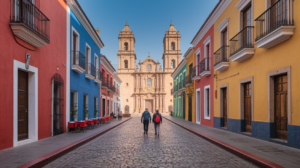
What Essential Practices Promote Overall Security?
What Core Habits Should Be Adopted Daily?
Implementing fundamental routines that promote safety is essential for enhancing personal security. Simple yet effective habits can make a significant difference.
Core habits to consider include:
- Establishing a regular check-in with family or friends about safety.
- Practicing situational awareness during daily activities.
- Designing contingency plans for emergencies and sharing them with loved ones.
- Keeping personal safety devices, such as pepper spray or whistles, accessible.
- Regularly reviewing and updating your knowledge of local safety resources.
Incorporating these habits into daily routines fosters a culture of safety.
How to Monitor and Adjust Safety Approaches?
Continuous evaluation of safety methods ensures their effectiveness in adapting to evolving needs. Monitoring and adjusting approaches enable individuals to maintain relevance in their safety practices.
Key strategies for ongoing evaluation include:
- Setting specific safety goals and reviewing progress regularly.
- Soliciting feedback from community members on safety initiatives.
- Staying informed about new safety technologies and practices.
- Participating in community safety meetings for updates and discussions.
- Adjusting personal safety plans to reflect changes in circumstances.
By prioritizing monitoring and adjustments, individuals can remain proactive in their safety efforts.
How to Foster a Supportive Network in the Community?
Building connections within a community plays a crucial role in enhancing overall security. A supportive network fosters mutual assistance and shared knowledge.
Key aspects of fostering a supportive network include:
- Encouraging community engagement through volunteer opportunities.
- Creating local safety groups to share information and resources.
- Promoting neighborhood watch initiatives for enhanced vigilance.
- Organizing safety fairs to educate residents on best practices.
- Facilitating open forums for discussing safety concerns and solutions.
By fostering a supportive network, communities can create an environment where safety is a collective responsibility.
See also: Travel & Adventure.


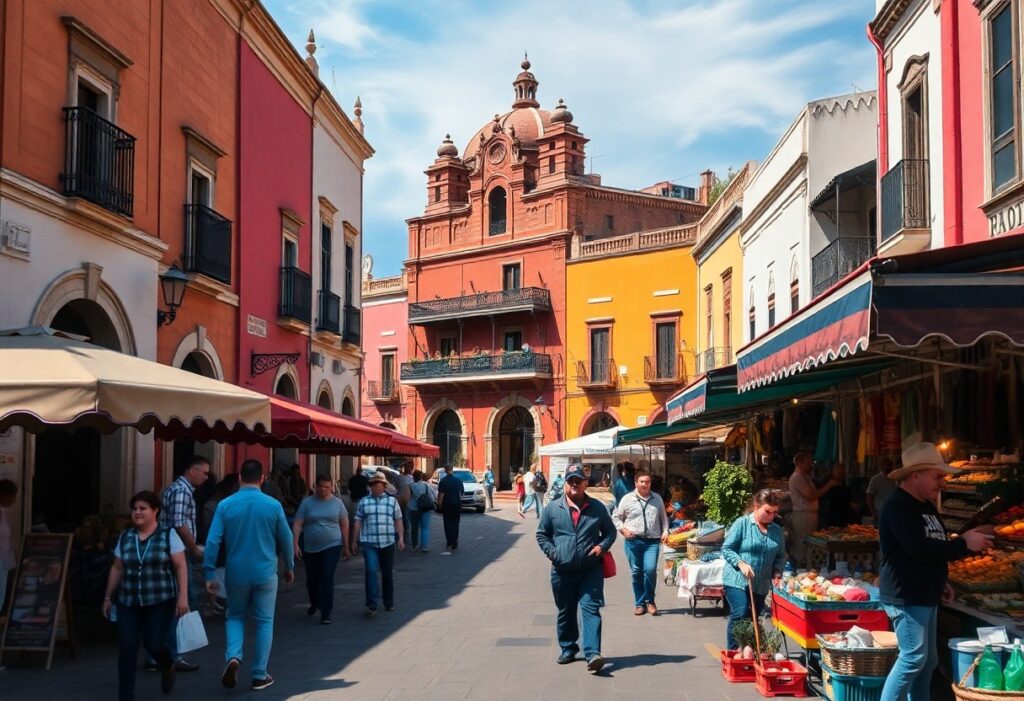
I love how you shed light on the safety aspects of San Miguel de Allende! It’s like having a personal safety guide that feels more like a wise old friend than just a bunch of facts and figures. I mean, who wouldn’t want to sip their coffee on a quaint plaza knowing there’s a solid safety net below?
What an interesting take on San Miguel de Allende’s safety! It’s great to see how community-centric initiatives can elevate the sense of security for both locals and visitors. I’ve always felt that a place’s charm often comes from its people, and it sounds like San Miguel has nailed that aspect.
You’ve touched on something truly special about San Miguel de Allende. The connection between the community and its sense of safety is fascinating. It’s not just about crime statistics; it’s the everyday interactions that create this warm, welcoming environment. Local events, art gatherings, or even just a chat at the mercado can foster that feeling of security.
“Absolutely! If you’re curious to experience the charm and warmth of San Miguel de Allende firsthand, check out this guide to explore its vibrant community and safety initiatives!”
https://fallinginlovewithsanmiguel.com/book-attractions
I appreciate how you’ve highlighted the unique blend of cultural richness and safety in San Miguel de Allende. It’s such a crucial consideration for travelers today, especially as we navigate through various concerns about security while exploring new destinations.