Ignacio Allende (1769–1811) was a military leader whose leadership and sacrifice helped spark Mexico’s fight for independence, and San Miguel de Allende still honors him through museums, annual ceremonies, and public monuments that visitors can see today. Plan your visit with the site’s complete travel guide for transport, lodging, and practical tips.
At-A-Glance: Casa De Allende & Key Dates
| Where Casa de Allende (Cuna de Allende 1, Centro) |
Hours & Admission Tue–Sun 9:00 AM–5:00 PM; adult entry ~80 MXN; audio guide available (additional fee). |
| Important Dates Birth: Sept 21, 1769 • Capture/execution: 1811 • Annual commemoration: Jan 21 (birthday events) |
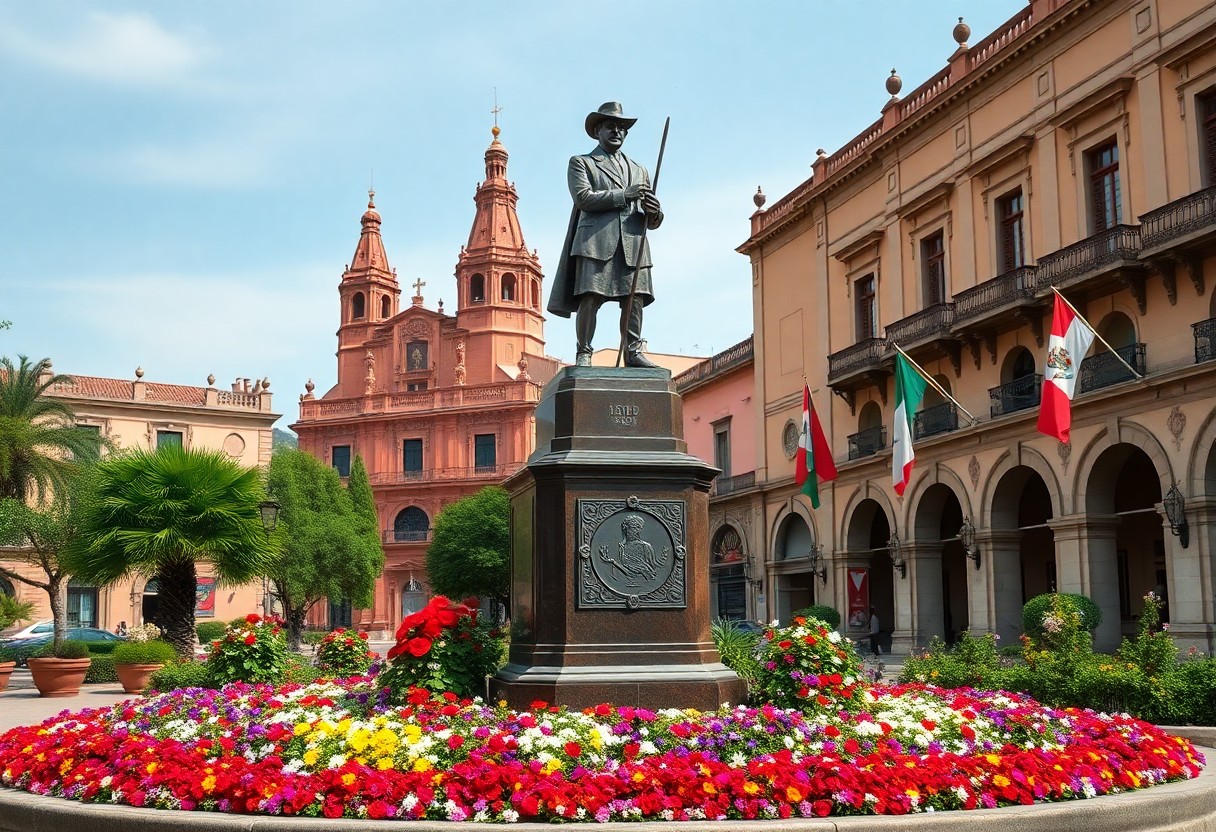
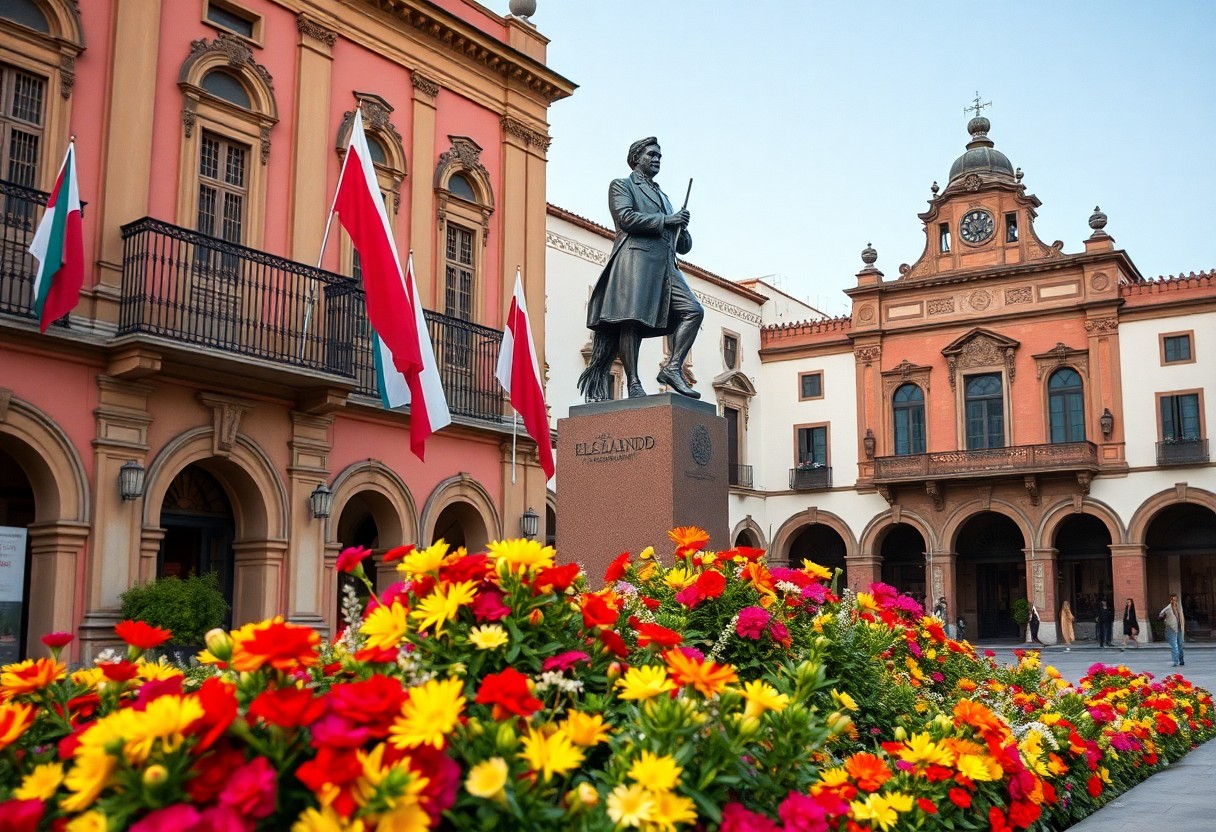
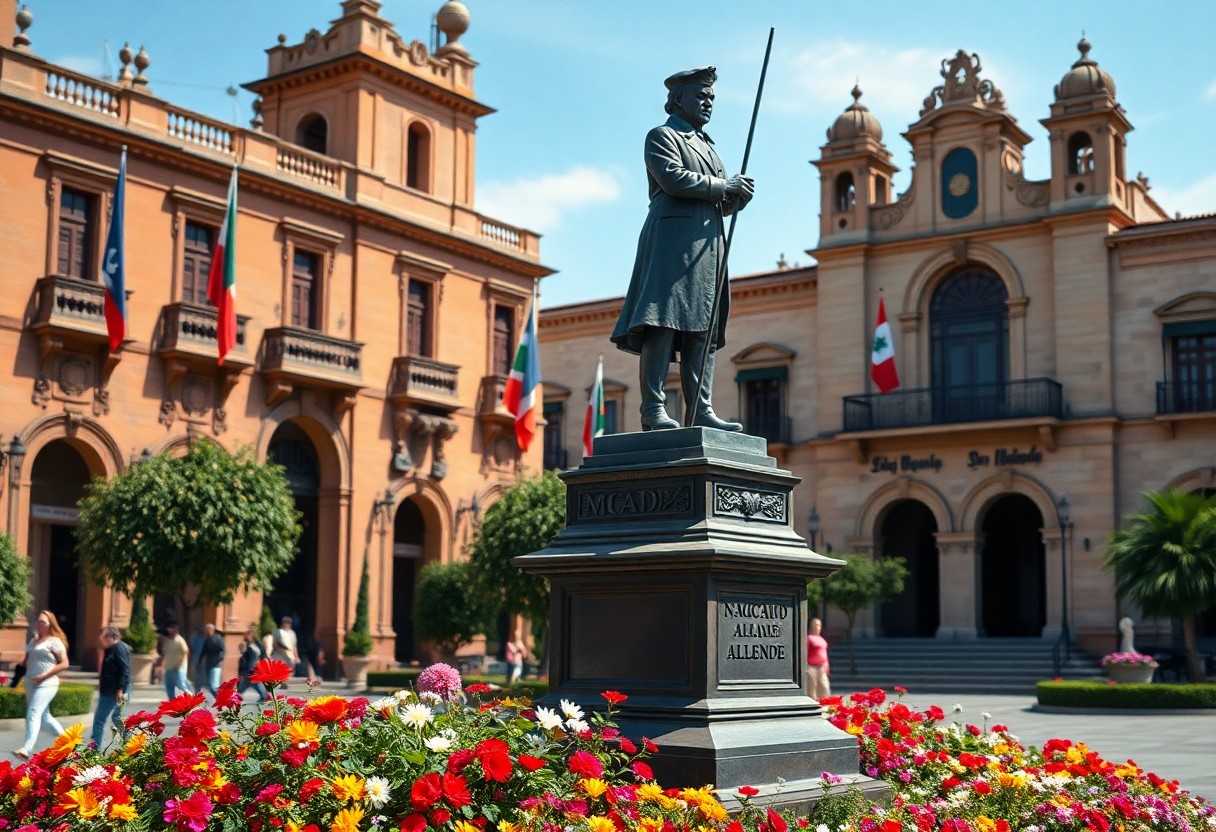
Monuments Main statue and parade route center near El Jardín and the parish church—easy walking from Centro hotels. |
| Quick Decision Should I visit? If you care about Mexican independence, local history, or colonial houses: yes. |
Accessibility Historic home with stairs; check with museum for mobility accommodations and guided tour options in English and Spanish. |
A Short Decision Table: Why Read This Page
| If you want… | Do this |
|---|---|
| Deep history of Ignacio Allende | Read the historical sections below; visit Casa de Allende to see primary artifacts. |
| Attend commemorations or festivals | Check the events calendar and book early for January ceremonies and peak festival dates. |
| Plan a practical visit (tickets, transport) | Use the complete travel guide for flights, hotels, and getting to Centro. |
Who Ignacio Allende Was — The Short Answer
Ignacio Allende was a Criollo military officer from San Miguel el Grande who joined the independence movement in 1810 and became one of its principal commanders alongside Miguel Hidalgo; his capture and execution in 1811 made him a martyr and the namesake of the town that became San Miguel de Allende.
Early Life, Military Training, And Rise To Leadership
Born in 1769 into one of San Miguel el Grande’s leading families, Allende received formal education and entered the Queen’s Regiment at 17. By 1798 he served as a cavalry officer in the Spanish colonial army, gaining the tactical skills, discipline, and network of fellow officers that later proved central to organizing the independence forces.
Family, Education, And Local Influence
His Criollo background offered both privilege and access to Enlightenment ideas circulating among New Spain’s educated class; those ideas—combined with Allende’s military experience—help explain his quick conversion from royal officer to revolutionary leader.
Revolutionary Leadership And Military Impact
Allende partnered with Miguel Hidalgo during the Grito de Dolores uprising in 1810 and provided the professional military leadership that reshaped a popular insurgency into a structured army. His strategic role included early victories in Guanajuato and other central cities, and his leadership helped swell rebel numbers dramatically during the first months of open struggle.
Key Battles And Outcomes
Allende’s tactical thinking influenced victories like Monte de las Cruces and city occupations that punctured Spanish control in central Mexico; however, the campaign faltered in 1811 when Allende and other leaders were captured. He was executed in Chihuahua later that year, and his martyrdom is central to his enduring legacy.
Commemorations, Events, And Local Traditions
San Miguel de Allende marks Allende’s life with civic ceremonies, parades, historical reenactments, and cultural shows—most visibly around his birthday on January 21. Street processions, concerts, and memorial services at the Casa de Allende draw both residents and visitors.
| Event | What to expect |
|---|---|
| January 21 Birthday Commemoration | Parade, civic honors, military pageantry near El Jardín and Casa de Allende. |
| Historical reenactments & forums | Local theater, lectures on Allende’s life, and school programs at the museum. |
| Cultural festivals | Music, dance, artisan markets—check seasonal events like film and opera festivals for overlapping dates (see film festivals). |
Timing And Booking Guidance
The best time to experience Allende-focused events is around January 21; weather is mild, but accommodations fill early. For peak-event travel, book hotels and any guided tours 6–8 weeks in advance—during major festivals or national holidays, aim for 3+ months.
| When | Booking window |
|---|---|
| January 21 ceremonies | Book 2–3 months ahead for Centro hotels. |
| Off-season (spring, fall) | Book 2–4 weeks ahead; easier availability. |
Ready To Plan Your Visit?
For logistics—flights, where to stay, and top activities—start with the travel hub, or check current events if you want to time a festival trip.
Visiting Casa De Allende: What To See
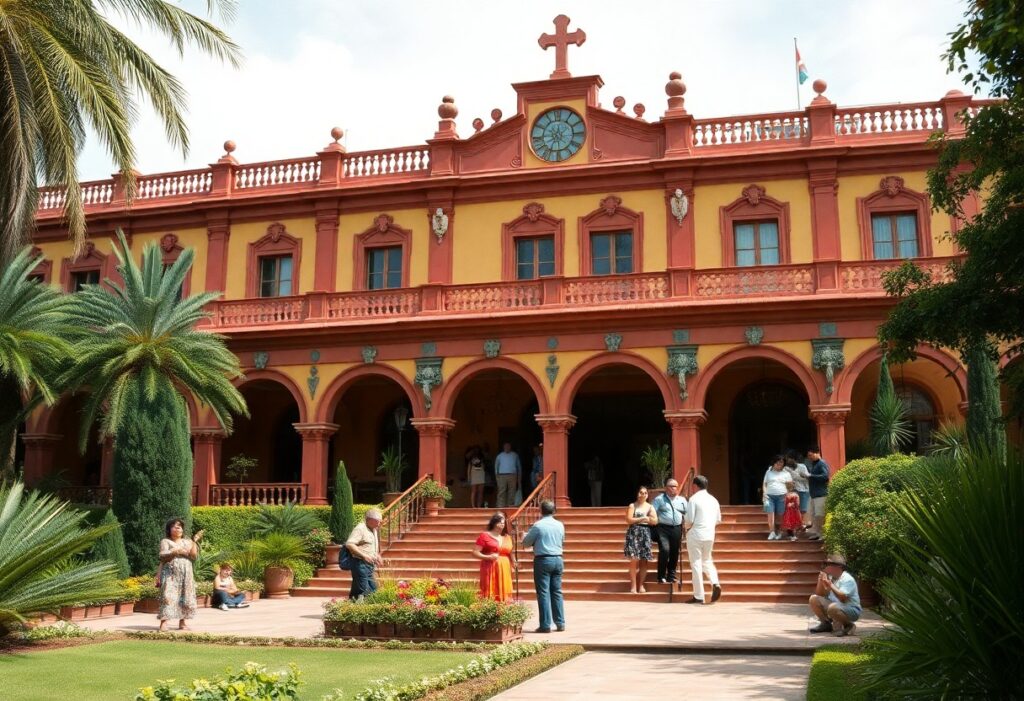
The Casa de Allende is an 18th-century colonial home with period rooms, family artifacts, and independence-era documents. Top highlights are the restored bedroom, Allende’s military uniform and sword, and original documents related to early 19th‑century planning for independence.
Guided tours are available in English and Spanish; group rates and school programs are common—contact the museum on arrival for schedules and audio guides.
Why Allende Matters To San Miguel De Allende Today
Beyond biography, Allende’s influence shaped local institutions—public education initiatives, support for trades, and civic identity. Naming the town “San Miguel de Allende” preserves that civic memory: the city’s museums, parades, and monuments keep his story visible for residents and visitors alike.
Frequently Asked Questions
What Was Ignacio Allende Known For?
He is known as a professional military leader who joined Miguel Hidalgo’s 1810 uprising, organized troops, and led early victories; his capture and execution in 1811 made him a national martyr.
When And Where Was He Captured?
Allende was captured in 1811 after a series of setbacks and was later executed in Chihuahua that same year; these events are central to his martyr status in Mexico’s independence narrative.
Where Is Casa De Allende And Can I Visit?
The Casa de Allende (Cuna de Allende 1, Centro) is open to visitors Tue–Sun 9:00 AM–5:00 PM with modest admission; guided tours and audio guides are usually available—see the travel guide for transport and lodging options nearby.

Eliot Mercer is an insightful author and local enthusiast, specializing in the vibrant culture and scenic beauty of San Miguel de Allende. With a passion for storytelling, he explores the rich history, diverse arts, and unique lifestyle of this enchanting Mexican town, providing readers with a captivating lens through which to view the community. Through his engaging writing, Eliot invites others to discover the charm and allure of San Miguel de Allende, sharing his personal experiences and deep appreciation for the area’s traditions and modern dynamics.
Your exploration of Ignacio Allende’s legacy in San Miguel de Allende raises fascinating questions about the complexities of hero worship and historical memory. It’s intriguing to consider how the narratives surrounding figures like Allende are shaped not only by their actions during monumental events like the Mexican War of Independence but also by the ongoing cultural practices and commemorations that keep their stories alive in contemporary society.
You’re spot on about the complexities of hero worship and how historical narratives unfold over time. It’s striking how much our understanding of figures like Allende can shift depending on the cultural lens through which we view them. In San Miguel de Allende, for instance, his legacy isn’t just about the battles fought or the ideals championed; it’s about the community’s collective memory and how they choose to honor him today.
You bring up a great point about the complexities of hero worship and the narratives surrounding figures like Ignacio Allende. It’s fascinating how historical memory is shaped not only by the events themselves but also by the cultural lens through which we view them today.
Your point about the complexities of hero worship and historical memory resonates deeply. It’s fascinating how we mold our understanding of historical figures like Ignacio Allende not just through the monumental acts they took part in, but also how their stories are woven into the fabric of cultural practices today.
Your reflection on the complexities of hero worship really highlights an important aspect of how we engage with history. It’s true that our understanding of figures like Allende often transcends the events themselves to encompass broader cultural narratives. Think about how his legacy is not just about political movements but also about the symbols and stories we pass down through generations. These stories shape our identities and can inspire new ways of thinking about justice and equity.
You’ve touched on a pivotal aspect of how we relate to historical figures like Ignacio Allende. The complexities of hero worship and how we remember our past can often pull us in different directions. Allende’s legacy, as you pointed out, is not just about the bravery he exhibited during the Mexican War of Independence but also how he is remembered today.
You’ve really nailed it with your thoughts on how we relate to figures like Ignacio Allende. It’s interesting to consider how the narrative around historical figures evolves over time. Allende’s bravery and contributions during the Mexican War of Independence indeed form a significant part of our understanding of him, but I find that the layers of how he’s interpreted today reveal so much more about our current values and beliefs.
I appreciate your exploration of Ignacio Allende’s legacy in San Miguel de Allende, a city that undoubtedly weaves a rich tapestry of history and culture. Growing up in a country where stories of independence and heroism are alive in our collective memory, I find it profound how figures like Allende can ignite a sense of pride and reflection that transcends generations.
It’s fascinating how the stories of figures like Ignacio Allende resonate so deeply across generations. Growing up with vibrant narratives of independence can shape one’s understanding of identity and belonging. I’ve often thought about the role that these historical legacies play not just in national pride but also in personal reflection.
Ignacio Allende’s story is a powerful reminder of how the legacies of individuals can shape entire societies. Walking through San Miguel de Allende today, it’s striking to consider how the values of sacrifice and perseverance resonate not only in the history of Mexico but also in our current struggles for freedom and justice worldwide. As we celebrate leaders like Allende, we also acknowledge the collective efforts of countless others who fought for change.
Your exploration of Ignacio Allende’s legacy in San Miguel de Allende paints a captivating picture of how this colonial gem is steeped in historical significance. I find it intriguing to consider how places like San Miguel not only preserve the memory of figures like Allende but also act as living testaments to the wider struggles for freedom and identity that resonate throughout Mexican history.
You’ve touched on a really profound aspect of San Miguel de Allende and how it reflects deeper struggles beyond just the life of Ignacio Allende. It’s fascinating to think about the layers of history that are embedded in its streets and architecture. While Allende serves as a key figure representing the fight for independence, the city itself embodies a much broader narrative of resilience and cultural identity.
It’s wonderful to hear your thoughts on Ignacio Allende’s legacy in San Miguel de Allende. You’re touching on a crucial point about how such places serve not only as memorials but as dynamic spaces that reflect ongoing narratives of freedom and identity.
Thank you for your thoughtful insights! If you’re interested in diving deeper into the rich history of San Miguel de Allende and its connection to freedom and identity, check out this resource that explores these themes further.
https://fallinginlovewithsanmiguel.com/seasonal-and-events
You’ve touched on an important aspect of San Miguel de Allende’s charm. The city not only remembers Ignacio Allende as a key figure in the fight for independence but also embodies a larger narrative that reflects Mexico’s evolving identity.
You really hit the nail on the head with that observation. San Miguel de Allende is such a fascinating blend of history and culture. The city feels alive with stories—from its colonial architecture to the vibrant arts scene. It’s like every cobblestone street has witnessed generations of change and resilience. A lot of people come for the picturesque views, but what keeps them coming back is that sense of connection to a shared history. It’s a reflection not just of the past, but of how those historical threads continue to weave into Mexico’s identity today. Seeing locals embrace their roots while also being part of a modern narrative adds layers to the experience. What aspects of the city’s evolution stand out the most to you?
“¡Exactamente! Si deseas explorar más sobre la rica historia y cultura de San Miguel de Allende, te invito a descubrir más aquí.”
https://fallinginlovewithsanmiguel.com/book-attractions
The legacy of Ignacio Allende is indeed a fascinating subject, particularly how it intertwines with the rich cultural tapestry of San Miguel de Allende. As we walk through the streets of this UNESCO World Heritage site, we not only celebrate Allende’s contributions to Mexico’s quest for independence but also witness how historical narratives shape contemporary identity.
You’ve touched on something really profound. The way Ignacio Allende’s legacy is woven into the fabric of San Miguel de Allende gives the place a unique resonance. It’s interesting to think about how the historical figures we celebrate are not just figures of the past but also serve as touchpoints for our contemporary identities. While wandering through those picturesque streets, it’s hard not to feel the echoes of history as we engage with the vibrant arts and community life that define the area today.
You raise an important point about the cultural complexity of San Miguel de Allende and its connection to Ignacio Allende. Walking those cobblestone streets certainly offers both a historical and a personal experience. It’s intriguing how the memories of figures like Allende are woven into the daily lives of people who inhabit that space today.
“Para explorar más sobre cómo la historia de Ignacio Allende influye en la identidad de San Miguel, te invito a descubrir este artículo que profundiza en su legado y su impacto cultural.”
https://fallinginlovewithsanmiguel.com/tours-and-excursions
I love how you highlighted Ignacio Allende’s impact on San Miguel de Allende. It’s fascinating to see how a city’s identity can be intertwined with the legacy of a person. I’ve visited the Casa de Allende Museum, and it really brings to life his early struggles and aspirations. It’s a poignant reminder of how much individuals can shape historical currents.
Ignacio Allende really does serve as a fascinating lens through which to view San Miguel de Allende’s transformation, doesn’t he? When you walk through the Casa de Allende Museum, you’re not just seeing artifacts; you’re stepping back into a pivotal moment in history. His journey from the local scene to becoming a key figure in the fight for independence illustrates the profound impact that one individual can have on a community and a nation.