
Moving to San Miguel de Allende works best when you treat the first months as a staged relocation rather than a single leap. Confirm the right Mexican immigration route, test a neighborhood before signing a long lease, build a realistic budget, map healthcare and transport, and give yourself time to decide whether daily life here fits you as well as a vacation does.
Is Moving To San Miguel Right For You?
| Priority | San Miguel tends to work well if… | Pause and test first if… |
|---|---|---|
| Lifestyle | You value culture, walkability, community and a smaller-city rhythm. | You need big-city anonymity, extensive public transit or nonstop services. |
| Housing | You can trade location, space and furnishing level to fit your budget. | You expect Centro space and quiet at an outer-neighborhood price. |
| Mobility | You are comfortable with hills, cobblestones or using taxis when needed. | Uneven streets or steep routes would make daily errands difficult. |
| Healthcare | You can plan private care and regional specialist access in advance. | You require frequent high-acuity specialist care very close to home. |
Still deciding whether the lifestyle itself fits? Read the separate pros and cons of living in San Miguel de Allende. This page is the practical relocation hub once you are seriously considering a move.
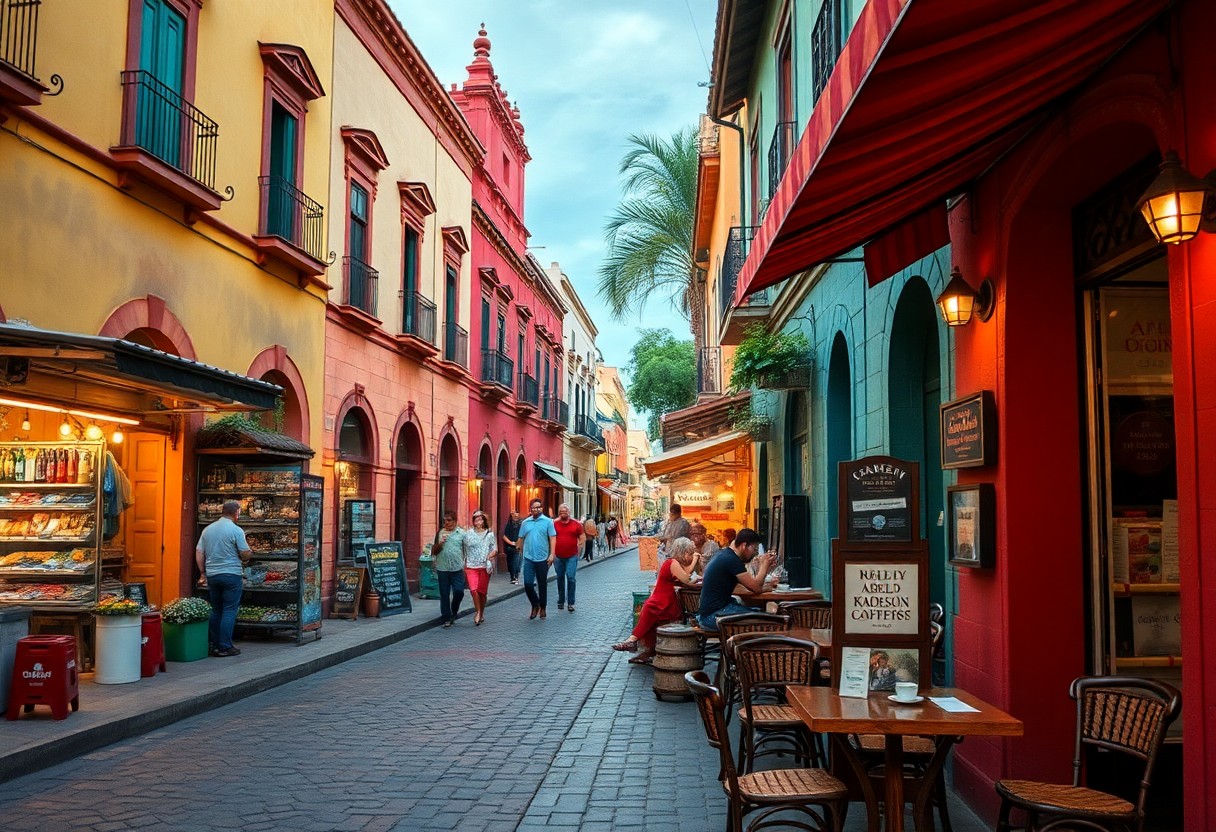
The Relocation Plan: Before You Move, First 30 Days, First 90 Days
| Stage | Main jobs |
|---|---|
| Before the move | Choose the immigration route, collect documents, set a budget, reserve temporary housing, check healthcare/insurance needs, plan arrival from QRO/BJX/MEX. |
| Days 1–30 | Complete any required residence-card process, test daily routes, compare neighborhoods, verify internet and utilities, identify healthcare and banking options. |
| Days 31–90 | Choose longer-term housing only after living the routine, build local service contacts, start Spanish/community routines, and decide whether buying property is even necessary. |
Residency And Immigration: Start With The Correct Status
A visitor stay and Mexican residency are different things. If your plan is to live in Mexico for more than a temporary visit, check the residence route that actually matches your situation rather than assuming repeated tourist entries are a relocation strategy.
Mexico’s official temporary-resident visa is designed for stays of more than 180 days and up to four years. Eligibility can be based on different routes, including economic solvency, family unity or employment, and procedures differ by route. Consulates also publish their own current documentary and financial requirements, so verify the specific Mexican consulate you will use before relying on a dollar figure from a blog.
- Start with the official SRE temporary resident visa information.
- Use the Instituto Nacional de Migración (INM) for in-Mexico immigration procedures and current instructions.
- Check the official 2026 migration-fee information rather than copying an old fee table.
If your route involves paid work, family unity or another special basis, use the relevant official procedure. This guide is planning information, not individualized immigration advice.
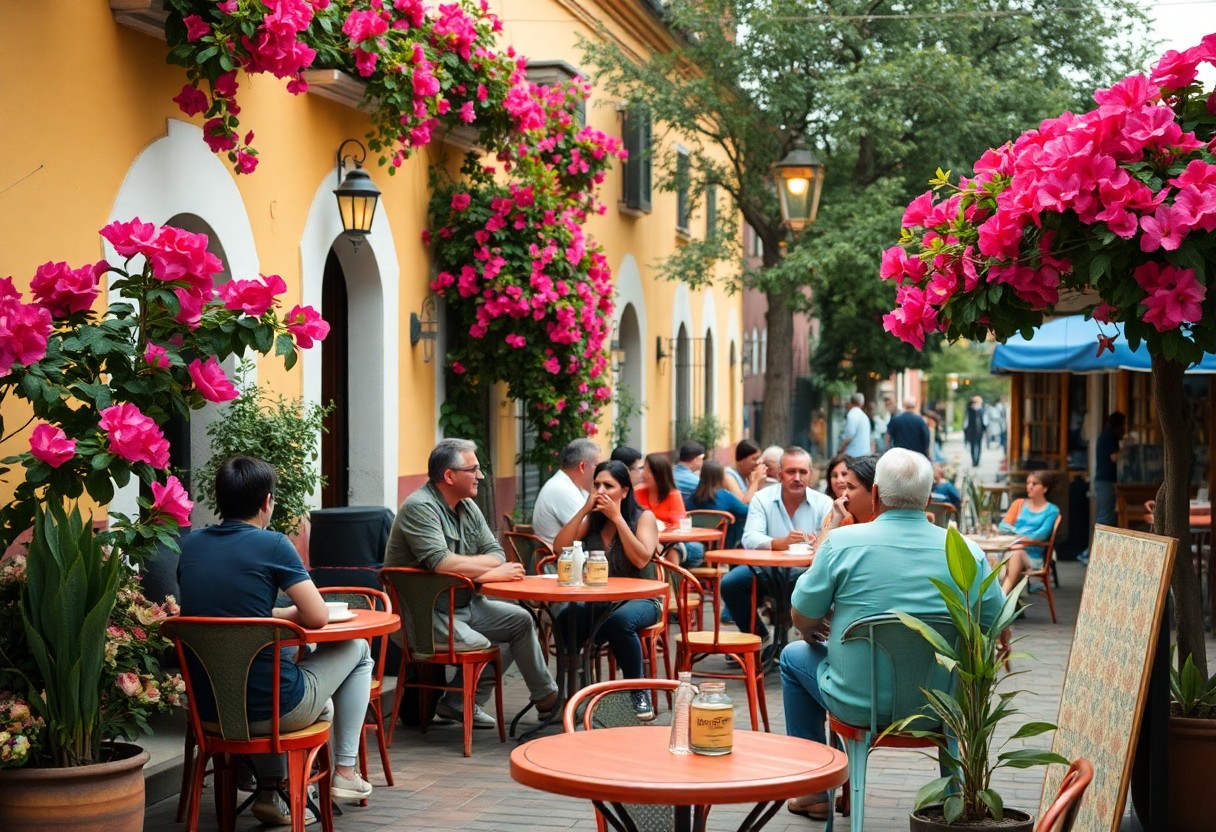
Build The Budget From Housing Outward
Housing is usually the largest variable, so do not anchor your move to a single “average monthly cost.” Centro, furnished short-term housing, larger homes, imported groceries, private healthcare and frequent dining can change the total quickly.
Use the dedicated 2026 San Miguel cost-of-living guide for current planning ranges and the long-term rental guide for leases, verification and recurring housing costs. Keeping the numbers on those specialist pages prevents this relocation hub from drifting out of sync.
Where To Live: Choose Daily Life Before A Neighborhood Name
The right colonia depends on what you want your ordinary Tuesday to look like. Centro maximizes walking access and activity but can mean more noise, tourists and higher prices. San Antonio and Guadalupe offer different balances of proximity and residential life. Hillside or farther-out areas can provide more space but increase transport dependence.
Rent first. A 30–90 day test stay is often more informative than a weekend house-hunting trip because you experience morning noise, hills, traffic, delivery access, water pressure, internet reliability and the route to the places you actually use.
Use the neighborhood decision guide to compare practical features and the location and map guide to understand the city’s position and access.
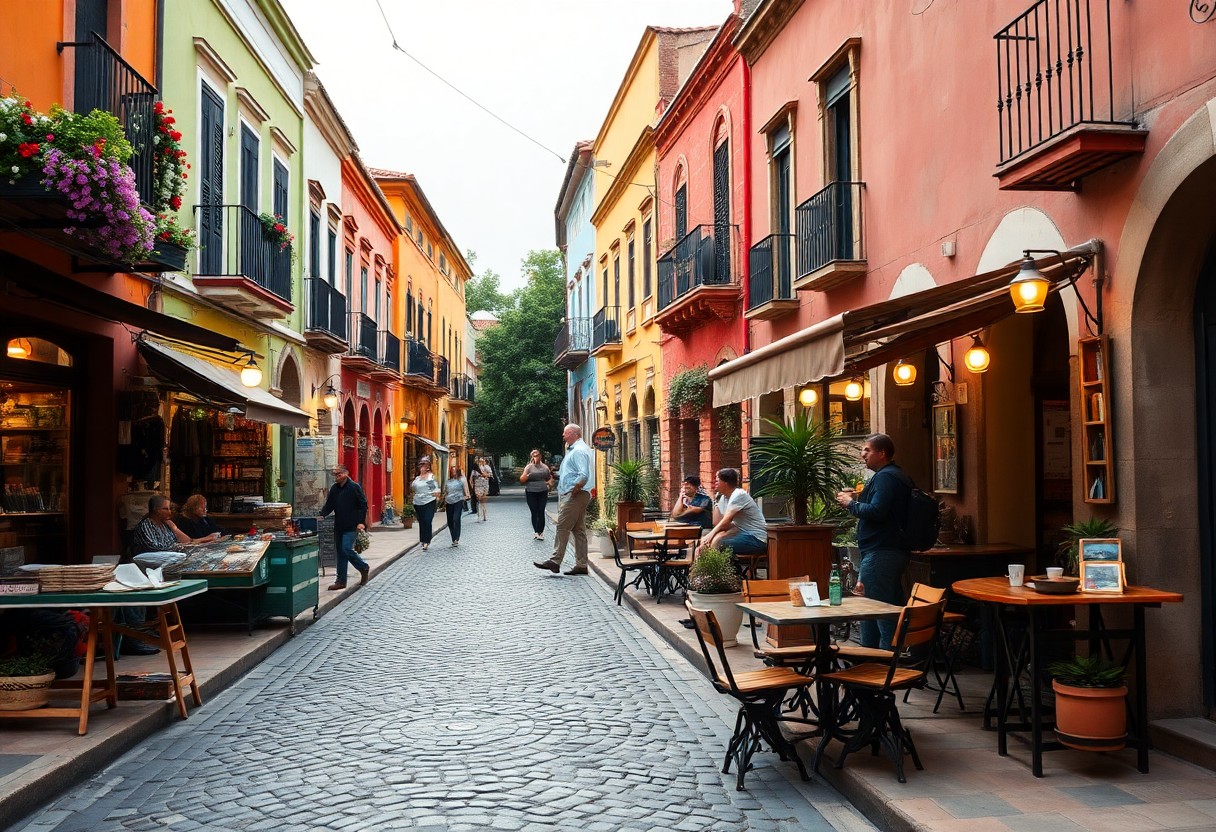
Healthcare, Safety And Water: Plan The Everyday Risks
Before signing a lease, decide where you would go for routine care, urgent care and a specialist referral. San Miguel has local private care, but people with complex medical needs should also plan how they would reach larger regional hospitals if a specialty is not available locally. Confirm insurance exclusions, pre-existing-condition rules and reimbursement procedures directly with the insurer.
For local precautions, neighborhoods and practical travel/resident safety, use the current San Miguel safety guide. For drinking and household water decisions, see the tap-water safety guide.
Internet, Work, Banking And Daily Setup
- Internet: verify the exact address, provider options and real connection quality before committing to a long lease; “good internet in the neighborhood” is not enough for remote work.
- Remote work: confirm that your immigration and tax setup fits what you actually do. A residence visa and permission to perform paid work are not automatically the same question.
- Banking: keep more than one way to access money during the transition and verify account-opening requirements directly with the bank.
- Phone and utilities: test coverage at the home, ask which services are included in rent, and photograph meter readings/condition at move-in.
- Spanish: English can get you through many visitor-facing situations, but Spanish materially improves housing, service, healthcare and community interactions.
If work flexibility is central to your move, the digital nomad guide goes deeper on coworking, Wi-Fi and remote-friendly housing.
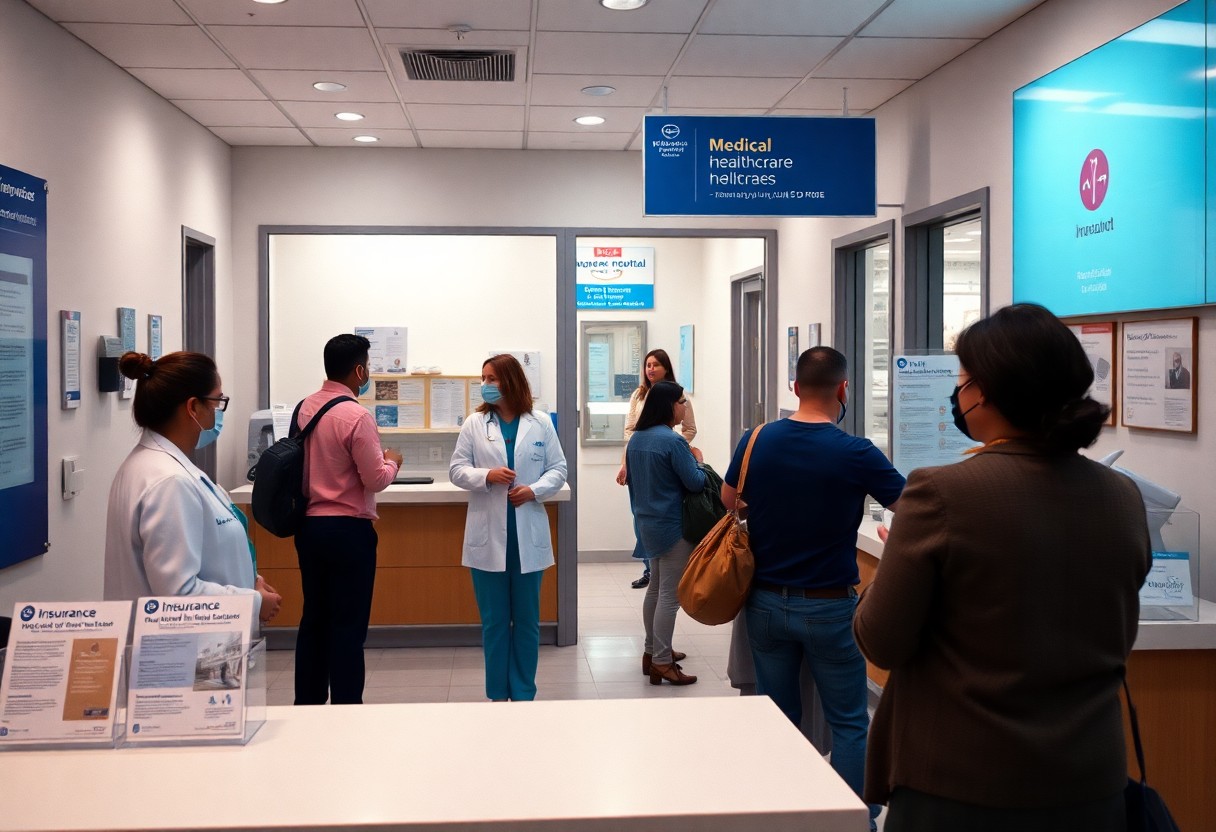
Families, Pets And Long-Term Commitments
Families should verify school language, accreditation, admissions timing, transport and support services directly with the school before choosing a neighborhood. Pet owners should ask landlords about written pet clauses and identify a veterinarian before arrival. If you plan to buy property, do not let a house purchase become the first step of the relocation process.
After you have tested daily life, use the home-buying guide and specialist real-estate coverage. Retiring rather than simply relocating? Use the separate San Miguel retirement guide.
When To Move
There is no universally best month: weather, festival crowds, rental availability and your own paperwork matter differently. The dedicated best time to move to San Miguel guide compares the seasons and booking windows without forcing that separate timing intent into this page.
Relocation Checklist
- Confirm the correct immigration route and the current requirements of the consulate/INM process that applies to you.
- Build a budget from current housing costs rather than a generic expat average.
- Book temporary housing before committing to a long-term lease or purchase.
- Test at least two neighborhoods at the times of day you will actually live there.
- Verify internet, water, utilities, mobility and noise at the exact property.
- Plan routine and urgent healthcare plus any specialist access you may need.
- Keep financial, identity and immigration documents backed up securely.
- Build Spanish and local community routines early instead of staying only inside an expat bubble.
- Wait before buying property until the city works for your real daily life.
Frequently Asked Questions
Can I move to San Miguel de Allende on a tourist entry?
A visitor entry is not the same as residence. If you intend to live in Mexico beyond a temporary visit, check the temporary/permanent residence route or another immigration status that fits your circumstances.
How long should I test San Miguel before signing a long lease?
A 30–90 day test stay is a useful planning window because it lets you experience noise, hills, errands, internet, transport and neighborhood rhythms that are easy to miss during a short vacation.
How much money do I need each month?
There is no useful single number without specifying housing, household size and lifestyle. Use the site’s dedicated 2026 cost-of-living page for current single, couple and family planning ranges.
Where do expats live in San Miguel de Allende?
Centro, San Antonio, Guadalupe and several hillside/outer neighborhoods all attract foreign residents, but the best choice depends on budget, mobility, noise tolerance, parking and how often you want to walk into Centro.
Should I buy a home immediately?
Usually not as a first relocation step. Renting first gives you information about the neighborhood, property systems and daily routine before you make a much harder-to-reverse decision.
Is San Miguel a good place to retire?
It can be, but retirement adds healthcare, residency, mobility and long-term financial questions that deserve their own evaluation. Use the retirement guide for that decision.
Ellie Thomson is an accomplished author and passionate advocate for the vibrant culture of San Miguel de Allende. Through her engaging writing, she explores a diverse range of topics that reflect the richness of life in this enchanting Mexican city. With a keen eye for detail and a deep appreciation for its history and community, Ellie shares stories that resonate with locals and travelers alike, inviting readers to discover the unique charm of San Miguel de Allende.
I appreciate your insights into the transformative experience that San Miguel de Allende offers. The blend of historic charm with modern amenities is indeed compelling, especially for those of us considering a significant lifestyle shift. However, while the city’s allure is undeniable, it’s crucial to highlight that the transition can come with its own set of challenges, particularly for newcomers.
You’ve raised an important point about the complexities of relocating to a place like San Miguel de Allende. While the city’s charm and amenities can be inviting, the reality of transitioning into a new environment can come with hurdles that are often understated.
You raise an important point about the challenges that come with relocating to a place like San Miguel de Allende. While the city’s historic charm and modern amenities certainly draw many in, the adjustment period can test newcomers. Adapting to a new culture, language barriers, and navigating local customs can feel daunting.
Your description of San Miguel de Allende really captures the essence of why so many people are drawn to this lovely city. I appreciate how you highlight the vibrant expat community there; it creates an inviting atmosphere for newcomers.
You really touch on something special there. The warmth and openness of the expat community in San Miguel de Allende do make a difference. It’s interesting how many people bring their unique backgrounds and experiences, enriching the city’s cultural tapestry. I’ve found that mingling with locals and fellow expats often leads to some of the most rewarding friendships and experiences. Have you visited any of the local art workshops or markets? They really showcase that mix of cultures and creativity that the city thrives on.
Relocating to San Miguel de Allende sounds like such an exciting adventure! Your description of the city as a “vibrant colonial gem” truly captures its essence. Having visited a few times, I can attest to the magical blend of history and modern life there. The stunning architecture, like the Parroquia de San Miguel Arcángel, is magnificent, and it’s easy to get lost in the charm of the cobblestone streets.
I’m glad you feel the same way about San Miguel de Allende! It’s one of those places where every corner seems to tell a story, isn’t it? The Parroquia is such a focal point, but I also love wandering through the local markets. You can really get a sense of the community there. The food, especially from the street vendors, brings a wonderful mix of flavors that matches the city’s vibrancy. Have you found any hidden spots you recommend? It’s always fun to hear about others’ experiences in such a lovely place.
San Miguel de Allende has a unique charm that truly captures the hearts of anyone who visits. You’re spot on about the Parroquia being a focal point; its stunning architecture really does draw you in. I love how it sets the stage for so many moments, whether you’re there for a sunrise walk or a sunset gathering.
San Miguel de Allende really does have a unique charm that pulls you in, doesn’t it? The combination of rich history and modern influences is something that continually captivates both locals and visitors alike. The Parroquia de San Miguel Arcángel is certainly a highlight, but have you also wandered through the less-traveled streets? Each corner holds a story, and the art galleries and local markets breathe life into the community.
“I’m so glad you resonate with the charm of San Miguel de Allende! If you’re considering a more in-depth experience, check out this guide I created to uncover even more of the city’s hidden treasures.”
https://fallinginlovewithsanmiguel.com/book-flight
The insights shared about relocating to San Miguel de Allende certainly resonate with anyone considering this transformative move. However, while the allure of the vibrant expat community and rich cultural landscape is undeniable, there are some nuances that warrant deeper exploration.
You bring up an important point about the nuances of relocating to a place like San Miguel de Allende. While the appeal of the expat community and the cultural richness really can draw people in, it’s essential to dig a little deeper to fully understand what life is like here.
You’re spot on about the nuances of relocating to a place like San Miguel de Allende. Many people see the colorful streets and artistic vibe and are instantly smitten, but understanding the complexity of daily life here is just as important. It’s a bit like peeling back layers of an onion; each layer reveals more about the culture, the challenges, and the beauty of the community.
It’s great to hear that my insights on relocating to San Miguel de Allende resonated with you. You’re right to point out that while the expat community and cultural richness are often highlighted, there are layers to this experience that deserve more attention.
“Absolutely, the nuances of this vibrant destination are worth exploring further—check out this insightful resource for a deeper dive into what makes San Miguel de Allende truly special!”
https://fallinginlovewithsanmiguel.com/photo-spots-in-san-miguel-de-allende-amazing-locations-to-capture
Your exploration of San Miguel de Allende as a relocation destination resonates with many dimensions that make this city truly captivating. Beyond its compelling aesthetic charm and historical significance, I believe the community’s vibrancy plays a pivotal role in the transformative experience you mention.
You’ve really captured a significant part of what makes San Miguel de Allende special. The aesthetic and historical aspects are definitely eye-catching, but the community’s vibrancy is what truly grounds the experience. It’s a town where art and culture thrive, and that sense of creativity permeates daily life.
You hit the nail on the head about the community vibe in San Miguel. It’s not just the stunning architecture or the history that draws people in; it’s the feeling you get walking through those streets. You see locals painting murals, musicians playing in the plaza, and galleries buzzing with creativity.
You’ve highlighted a key aspect of San Miguel de Allende that often gets overlooked—the community itself. The people here truly shape the experience of living in this vibrant city. From engaging with local artisans in the bustling markets to participating in community events, there’s a sense of belonging that is hard to match.
You’ve touched on something really important about San Miguel de Allende. The sense of community here adds a layer of richness that makes living in this city feel unique. I often find myself wandering the markets, and there’s something special about seeing the artisans at work—like that moment when you watch a potter shape clay into something beautiful. It’s not just a transaction; it feels more like a connection, doesn’t it?
You hit the nail on the head with that observation about the community vibe in San Miguel de Allende. It really does feel like a living organism, doesn’t it? The energy in the streets is contagious, whether it’s during a bustling market day or a low-key afternoon café sesh. The blend of locals and expats creates this melting pot where you can feel a certain warmth and openness. It’s almost like you’re stepping into a shared experience that encourages connection.
It’s great to hear that you resonate with the community vibe in San Miguel de Allende. There’s something unique about how the town feels alive, isn’t there? The streets pulse with an energy that’s hard to put into words, whether you’re navigating the chaos of a market day or savoring a quiet moment at a café.
You’ve captured it perfectly—the vibrancy of San Miguel de Allende is something special. The mix of art, music, and the daily rhythm of life, especially during market days, creates an atmosphere that feels almost electric. Walking through the markets can be a sensory overload, from the colors of fresh produce to the sounds of vendors calling out to their customers. It’s a microcosm of the town’s spirit.
Absolutely, the vibrant energy of San Miguel de Allende truly captures the heart! If you’re curious to explore more about this enchanting town and what it has to offer, check out this link for some great insights.
https://fallinginlovewithsanmiguel.com/book-attractions
You’ve touched on something I find really interesting—the community aspect in San Miguel de Allende. It’s not just the stunning architecture or the rich history that draws people in. The locals, both native and expatriate, contribute so much to the vibrant atmosphere. There’s an openness in the air that makes it feel welcoming, whether you’re attending one of the many cultural festivals or just chatting with a neighbor.
Your exploration of San Miguel de Allende as a relocation destination touches on so many vital aspects of what makes this city appealing—its rich history, the cultural tapestry woven through its community, and the diverse population that calls it home. However, while you paint an enticing picture, I believe it’s critical to delve into some complexities that might arise during this transformative journey.
Your observations about the complexities of relocating to San Miguel de Allende are not only astute but are also vital to consider. While my exploration might have showcased the charming allure of this city, the journey of making a new place home often involves dynamic layers that merit deep discussion.
You bring up an important point about the layers involved in relocating to a new place like San Miguel de Allende. The charm of the city can be incredibly enticing, but it’s often the underlying complexities that tell a more complete story.
You bring up a crucial point about the complexities of relocating. It’s easy to be swept away by the picturesque streets and vibrant culture of San Miguel de Allende, but, as you mentioned, the reality of making it a home comes with its own set of challenges. I’ve noticed that for many people, adjusting to a new environment goes beyond just physical space; it’s about integrating into a new community and understanding social nuances.
Your vivid depiction of San Miguel de Allende truly resonates with me, highlighting how its unique blend of historic charm and modern living creates a tapestry that is inviting and enchanting. Having spent time in a similar expat haven myself, I can wholeheartedly appreciate the transformative nature of such a relocation. The allure of experiencing daily life in a city adorned with stunning architecture and rich cultural heritage is indeed powerful.
Your appreciation for the blend of historic charm and modern living in San Miguel de Allende really captures the essence of what draws so many people to places like it. There’s something special about immersing oneself in a culture that feels both timeless and dynamic. The architecture, with its colorful facades and intricate details, doesn’t just serve as a backdrop for life; it defines it. Every corner turned can reveal a new story, a piece of history, or even a hidden café that sparks conversations with locals and fellow expats alike.
Your insights into the transformative experience of relocating to San Miguel de Allende resonate deeply with anyone contemplating such a significant life change. Having spent time in a similar vibrant expat enclave myself, I can attest to the unique blend of community, culture, and opportunity that defines cities like San Miguel.
Your experience in a vibrant expat enclave sounds intriguing. It’s interesting how places like San Miguel de Allende create such a rich tapestry of community, culture, and opportunity, isn’t it? I often think about how moving to a new city not only challenges our personal boundaries but also opens up avenues for growth and connection that we might not have anticipated.
I recently came across an article that beautifully captures the distinct architecture of San Miguel de Allende, and it really sheds light on how the city’s structures reflect its vibrant culture and community spirit.
‘The Architecture of San Miguel de Allende: Why It’s So Unique’
https://fallinginlovewithsanmiguel.com/unique-architecture-of-san-miguel-de-allende/.
Relocating to San Miguel de Allende really does sound like a game changer. I’ve been considering this move myself, largely because of the vibrant arts scene you’ve mentioned. It’s impressive how this city seems to hold onto its rich cultural heritage while also welcoming a diverse community of artists and creatives.
I really appreciate your insights on the transformative experience of relocating to San Miguel de Allende. It’s funny how sometimes you hear places described as transformative, and it feels like a cliché, but after visiting San Miguel, I can genuinely relate to that sentiment. There’s something about walking those cobblestone streets, surrounded by the stunning architecture, that sparks a sense of renewal.