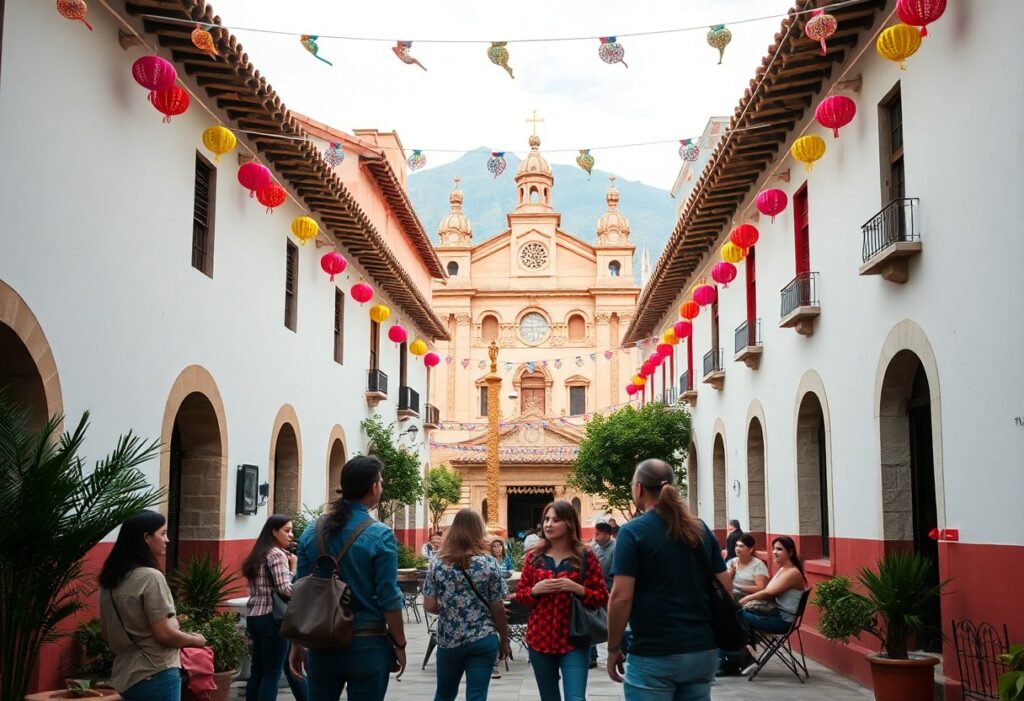
FallingInLoveWithSanMiguelSan Miguel Experiences & Itineraries · fallinginlovewithsanmiguel.comCooking Classes in San Miguel de Allende gives a focused starting point for the decision. Check requirements, trade-offs, and timing; before you commit, confirm the terms in writing. That keeps the choice aligned with your route, timing, and constraints.
Why Are Cooking Classes Essential for Culinary Enthusiasts?
Cooking classes are an invaluable resource for anyone looking to enhance their culinary skills because they provide hands-on experience and expert guidance, which matters for aspiring chefs and home cooks alike.
At FallingInLoveWithSanMiguel, we specialize in the San Miguel de Allende Travel Guide, helping travelers discover the best cooking classes in San Miguel de Allende, enabling them to immerse themselves in local cuisine and culture.
Our platform monetizes through partnerships with local cooking schools, offering curated recommendations and exclusive deals. We also provide resources that educate visitors about local culinary traditions and ingredients.
This comprehensive guide covers essential tools, key techniques, local ingredients, health benefits, and social aspects of cooking classes in San Miguel de Allende. For more information on various topics, check out our section on education-learning. See also: Attractions.
What Essential Tools Are Needed for Cooking Classes?
Having the right tools is crucial for any culinary adventure. Essential equipment includes:
Sharp chef’s knife: For precision cutting.
Sturdy cutting board: To provide a safe surface.
Pots and pans: For various cooking techniques.
Mixing bowl and measuring cups: To enhance baking endeavors.
Whisk and spatula: For effective mixing.
Safety is paramount; keep knives sharp and hands dry for effective handling. Investing in quality tools ensures efficiency in kitchen pursuits.
How Can Beginners Master Key Cooking Techniques?
What Skills Can Participants Gain?
Participants in cooking classes cultivate a range of skills that extend beyond the kitchen. Mastering techniques like chopping, sautéing, and stirring can significantly enhance cooking outcomes.
Proper knife grip improves control when chopping.
Fluid stirring ensures even cooking and flavor distribution.
Experimenting with techniques leads to culinary mastery.
These foundational skills transform everyday meals into culinary masterpieces, fostering personal growth and creativity.
What Are Common Ingredients in Cooking Classes?
Understanding staple ingredients is essential for any cooking class. Here’s a list of key ingredients and their benefits:
Olive Oil: Enhances flavor and provides healthy fats.
Garlic: Adds depth and complexity to dishes.
Salt: Essential for flavor enhancement.
Herbs (like Basil and Thyme): Elevate any dish.
Onion: A foundational flavor base.
Tomatoes: Provide acidity and sweetness.
Peppers: Introduce sweetness or heat.
Rice: A staple carbohydrate.
How Do Cooking Classes Enhance Skills?
What Are the Cognitive Benefits of Hands-On Learning?
Hands-on learning in cooking classes enhances cognitive function, supporting better memory retention and problem-solving abilities. Engaging with recipes challenges the brain to process information and execute tasks, stimulating mental agility.
Research shows that participants often experience a boost in critical thinking and adaptability skills. This mental stimulation benefits cooks of all ages, reinforcing that cooking is not only practical but also intellectually enriching.
What Health Advantages Do Cooking Classes Offer?
Participating in cooking classes promotes better nutrition by increasing vegetable consumption and reducing reliance on processed foods. Engaging in culinary activities can also provide stress relief, serving as a therapeutic outlet.
As of 2026, studies indicate that individuals who cook regularly report improved dietary habits and a more enjoyable relationship with food.
What Are the Key Ingredients in Popular Dishes?
How to Select Fresh Produce?
Selecting fresh produce is vital for achieving optimal flavor and nutrition. Look for vibrant colors, firm textures, and pleasant aromas. Seasonal options often provide the best taste, such as:
Summer: Juicy tomatoes.
Winter: Hearty squash.
Engaging with local farmers’ markets can also uncover unique fresh options.
How Do Spices Enhance Culinary Creations?
Spices are the unsung heroes of culinary arts, capable of transforming dishes. Understanding their roles can significantly enhance your cooking. For example:
Cumin: Adds earthiness.
Coriander: Brings citrus notes.
Experimenting with spice combinations can lead to unique creations that reflect personal taste.
What Are Advanced Techniques for Culinary Arts?
How to Master Complex Recipes?
Tackling intricate recipes requires a methodical approach. Break down each component, understanding the techniques required. Timing is crucial; learn to synchronize cooking steps for efficiency.
For instance, mastering the art of making a soufflé involves understanding the delicate balance of ingredients and exact timing for baking. Embrace these challenges to enhance your culinary skill set.
What Innovative Plating Ideas Can You Use?
Creative plating techniques elevate a meal from ordinary to extraordinary. Consider using contrasting colors or employing height for dimension.
Use simple garnishes to enhance aesthetics.
Focus on visual appeal to captivate guests.
What Specialized Tools Enhance Precision in Cooking?
For those serious about refining their skills, specialized tools can make a significant difference:
Precision Scales: Ensure accurate measurements.
Mandoline Slicer: Allows uniform cuts.
Blow Torch: Ideal for caramelization.
Thermometer: Ensures optimal cooking temperatures.
Food Processor: Streamlines prep work.
How to Continue Practicing Culinary Skills?
What Final Reflections Should You Consider?
As you conclude your culinary classes, reflect on the skills acquired and experiences shared. Each lesson contributes to your growth as a cook.
Consider journaling your journey, noting techniques mastered and new recipes explored. This practice solidifies knowledge and inspires future culinary adventures.
What Are Key Takeaways for Culinary Enthusiasts?
The culinary arts offer endless opportunities for exploration. Embrace the joy of cooking by experimenting with new ingredients and techniques.
Connect with fellow food enthusiasts for ongoing inspiration.
Every meal is a chance to learn and grow.
What Are the Social Aspects of Cooking Classes?
Cooking classes foster community building. Collaborative cooking creates opportunities for interaction and bonding over shared challenges and successes.
The relationships formed often extend beyond the kitchen, promoting ongoing connections and a positive culinary culture.
FAQs
What is the benefit of taking cooking classes in San Miguel de Allende?
Cooking classes in San Miguel de Allende provide an immersive experience in Mexican cuisine, allowing participants to learn traditional recipes while exploring local ingredients.
Are cooking classes suitable for beginners?
Absolutely! Many cooking classes cater to beginners, offering a supportive environment to learn essential techniques.
What types of dishes can I expect to learn in a cooking class?
Participants can expect to learn various dishes, from traditional Mexican staples to modern fusion cuisine, often utilizing local ingredients.
How can I choose the right cooking class for me?
Consider your skill level, the types of cuisine you’re interested in, and the class format. Reading reviews and talking to instructors can help you find the perfect fit.

Clara Beaumont is a distinguished author and cultural enthusiast based in San Miguel de Allende. With a passion for exploring the diverse aspects of this vibrant city, she writes engaging pieces that illuminate its history, art, and community. Clara’s work aims to inspire both residents and visitors, fostering a deeper appreciation for the unique charm and rich stories that San Miguel de Allende has to offer.