
El Charco del Ingenio is San Miguel de Allende’s desert botanical garden and conservation reserve — a compact natural sanctuary where native cacti, agaves, seasonal wildflowers and migrating birds meet restored habitats and clear walking trails. If you plan one outdoor stop from the centro, allow 1.5–3 hours.
- Typical hours: mornings to late afternoon (check local listings before you go)
- Admission: generally US$5–10 per person; discounts for students, seniors and groups may apply
- How long to plan: 1.5–3 hours for trails and viewpoints; half-day if you add a picnic or workshop
- Location & map: about 10–15 minutes from the centro — see the city map for routes (San Miguel map)
- Best season: October–April for dry weather; spring (March–May) for peak wildflower displays
Why visit El Charco del Ingenio?
El Charco del Ingenio blends conservation, education and a scenic escape — it’s both a high-desert botanical collection and an ecological reserve that protects endemic plants and migratory birds. The reserve’s restored habitats and interpretive trails let visitors see species and ecological interactions that are hard to find inside the city: agaves and columnar cacti, seasonal wildflowers, pollinators like native bees and butterflies, and dozens of bird species that either nest or pass through on migration.
For a complete introduction to San Miguel’s highlights and how El Charco fits into the broader visitor picture, see our cluster overview at San Miguel’s hidden-gem guide, which covers the best attractions, neighborhoods, and suggested day plans.
Decision table — who should visit and what to expect
| Visitor | Why go | How long / accessibility |
|---|---|---|
| Plant enthusiasts | Extensive native succulent and agave collections, plus rare endemics | 2–3 hours; many paved or compacted paths |
| Families | Easy trails, picnic areas, occasional children’s workshops | 1.5–2.5 hours; stroller access on main routes |
| Birdwatchers & photographers | Multiple observation points and varied seasonal species | 1.5–3 hours; early morning recommended |
| Visitors with limited mobility | Most main trails and facilities are designed for accessibility, but some slopes exist | Short accessible loop: ~30–45 minutes |
Timing: when to visit and when to book
Planning your visit around weather and seasonal displays will change how the garden looks and what you can do. Below is a compact timing table for what to expect and the recommended booking window for guided activities or group discounts.
| When | What to expect | Booking note |
|---|---|---|
| Oct–Apr (dry season) | Clear skies, comfortable daytime temps — ideal for walking and photography | No advance ticket needed on most days; guided tours fill in high season |
| Mar–May (spring) | Peak wildflower season and dramatic color on trails | Book early for weekend workshops or group rates |
| Jun–Sep (rainy months) | Greener landscape but occasional showers; some trails muddy | Check opening hours; off-peak discounts possible |
Getting there and accessibility
El Charco sits just outside the historic center — roughly a 10–15 minute drive depending on traffic. Public and private options connect the centro to the reserve; parking is available at the site.
Directions and local transit
Taxis and ride-share services (Uber operates in town) are the most convenient door-to-door option and take about 10–15 minutes from the Jardín Principal. Local buses and colectivos also run toward the outskirts; confirm routes and stops on the day of travel. For consolidated planning, see our transportation guide for public transit options and taxi tips.
Accessibility notes
The main visitor loops include fairly wide, compacted pathways suitable for wheelchairs and strollers; however some viewpoints and steep trails are uneven. Rest areas and signage are available in Spanish and English at primary junctions. If mobility is a concern, ask at the entrance about the shortest accessible route and facilities.
Use the embedded map to get turn-by-turn directions or to pin nearby parking and transit stops.
What you’ll see: flora, fauna and conservation highlights
El Charco del Ingenio is curated as a high-desert botanical garden and a conservation reserve. Collections and habitats emphasize local ecosystems — semi-arid scrub, rocky ravines and the reservoir edge — and the site protects many native species.
Flora highlights
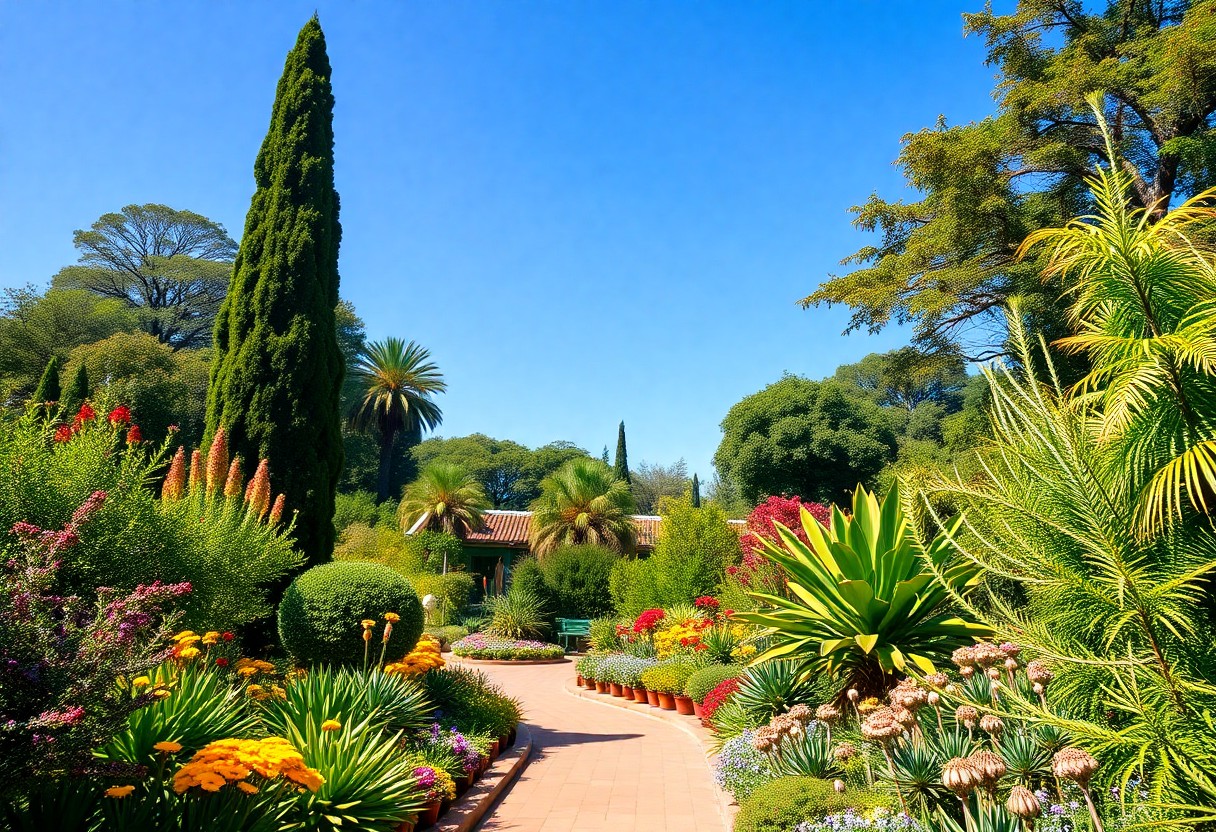
Expect to see a broad array of agaves and cacti adapted to the central highlands, as well as endemic wildflowers that bloom seasonally. The garden’s living collections are used for education and to propagate vulnerable local species; interpretive panels explain adaptation strategies like water storage, spines as sun shields, and seasonal dormancy.
Rare and endangered plants
Conservation areas protect a number of low-distribution plants endemic to the region. The reserve’s propagation and restoration work supports reintroduction efforts and scientific study, linking visitors to active ecological stewardship.
Fauna you may encounter
The garden’s mosaics of habitat attract over fifty bird species (hummingbirds, woodpeckers and seasonal migrants), pollinators like native bees and butterflies, and small mammals. Early morning is best for birdwatching; photographers and nature-watchers will find multiple observation points along quieter paths.
Activities: trails, tours and photography
Trails range from short accessible loops to longer routes that climb to viewpoints overlooking the reservoir and dry canyon. Guided walks and workshops are scheduled seasonally; these are the best way to learn about the reserve’s plant adaptations and restoration projects.
Hiking and viewpoint tips
Wear sturdy shoes for steeper dirt sections. Trails are well signed; follow markers for the difficulty level you prefer. Bring water — the high altitude and dry air mean you dehydrate faster than at sea level.
Guided tours and workshops
Looking beyond one reserve? Compare garden tours in San Miguel de Allende to choose between guided and self-guided experiences.
Guided tours explain plant collections, restoration work and local ecology. Workshops range from plant propagation to photography classes; if you want a workshop or guided birdwalk, book in advance during March–May or holiday weekends.
Photography
Golden hour lighting highlights succulents’ textures and wildflower color. Bring a telephoto for birds and long lenses for detail shots of agaves and blooms. Respect signage and fenced conservation zones — close access protects seed banks and fragile habitats.
History and conservation work
El Charco del Ingenio has evolved from a local landmark to a focused conservation project. Its foundation was driven by community groups and botanists who recognized the area’s unique biodiversity and the need to protect native ecosystems from development pressure. Since then, the reserve has emphasized habitat restoration, control of invasive species, and community education.
Restoration work includes reintroducing native plants, protecting seed sources, and experimenting with water-conserving management techniques appropriate for the high-desert environment. This on-the-ground conservation makes the reserve a living laboratory and an important educational resource for San Miguel and surrounding municipalities.
Practical visitor tips and etiquette
- Check posted hours and any special-event closures before you go.
- Wear comfortable walking shoes and sun protection; the high-altitude sun is strong.
- Bring a refillable water bottle — some sites offer refill stations but carry water if you’ll be on trails for longer.
- Stay on marked paths, do not pick plants, and follow signage to protect restoration zones.
- Consider a guided tour for deeper context on species and restoration projects.
Entrance, tickets and group rates
Admission is kept affordable to encourage local access and community participation. Typical adult fees are around US$5–10; student, senior and local resident discounts may be available. Group bookings for school visits or guided groups often receive reduced rates — contact the reserve in advance for quotes and to confirm guided tour availability.
If you are planning a visit during a busy weekend or want a workshop, book sooner rather than later (see the timing table above). Many community events and festival-related free-entry days are announced locally — check local listings or the reserve’s channels on the day of travel.
Safety and local context
San Miguel de Allende is a popular tourist city with a reasonable safety record, but normal travel precautions apply. For guidance on staying safe in town, practical tips on walking at night, and travel advisories, see our in-depth safety guide at Is it safe in San Miguel de Allende?
On-site safety: stick to marked trails, maintain adequate hydration at altitude, and supervise children near cliff edges and water. Wildlife observations are best done from observation points — do not attempt to touch or feed animals.
Nearby stops to round out a half-day or full-day outing
Combine a Charco visit with close cultural and culinary stops for a richer day. The historic centro (Jardín Principal and Parroquia) is minutes away from most garden drop-off points; the Sanctuary of Atotonilco and nearby natural parks make excellent extended-day options.
For food after a walk, the city has a range from market stalls to rooftop dining; our broader San Miguel guide highlights top dining picks and photo-friendly places in the centro — see activities and restaurants in the main San Miguel guide for ideas and timing suggestions.
Sample half-day plan
- Morning: arrive at opening time for cooler temperatures and better bird activity.
- First hour: accessible loop and interpretive panels to orient yourself.
- Second hour: longer trail to viewpoints and the reservoir edge; photography at golden hour if staying late.
- Finish: quick stop at the visitor center or garden shop, then return to centro for lunch.
Frequently asked questions
How much does it cost to enter El Charco del Ingenio?
Expect typical admission in the US$5–10 range; student, senior and group discounts are often available — check at the gate or on the reserve’s announcements for temporary free-entry days.
Is it safe to walk around San Miguel de Allende at night?
San Miguel’s centro is generally safe in well-populated areas, but practice normal precautions such as using well-lit routes and avoiding isolated streets at night; full safety tips are on our safety guide.
How long does it take to walk the reserve?
Plan 1.5–3 hours depending on trails chosen and time for photography or a guided tour; the shorter accessible loop can take 30–45 minutes.
What should I wear to a botanical garden visit?
Comfortable walking shoes, sun protection (hat, sunscreen), and layered clothing for temperature swings; bring a refillable water bottle and insect repellent in warmer months.
Can I drink the tap water in San Miguel de Allende?
Tap water is typically not recommended for visitors; use bottled or properly filtered water for drinking — refill stations may be available on-site but confirm before relying on them.
El Charco is a focused nature stop best paired with a few central-city highlights. For a broader itinerary that includes top cultural sites, restaurants and practical travel tips, see our main guide to San Miguel’s highlights.
Final note — stewarding the reserve
Visitors support El Charco’s conservation mission simply by coming: admission and program fees help maintain restoration work, botanical collections and community education. Follow signage, stay on trails and consider a guided tour or workshop if you want to support the garden’s research and outreach more directly.
Photo credits: site images retained from the original article.

Ellie Thomson is an accomplished author and passionate advocate for the vibrant culture of San Miguel de Allende. Through her engaging writing, she explores a diverse range of topics that reflect the richness of life in this enchanting Mexican city. With a keen eye for detail and a deep appreciation for its history and community, Ellie shares stories that resonate with locals and travelers alike, inviting readers to discover the unique charm of San Miguel de Allende.

I love how you highlight the hidden gardens of San Miguel de Allende. It’s fascinating to think about how these green spaces not only provide a refuge from the busy streets but also serve as vital ecosystems for both native and exotic flora. During my last visit, I found myself lost in the vibrant colors and fragrances, which reminded me of how important these spaces are for mental health and well-being. Engaging with nature, even in small doses, can significantly reduce stress and enhance our mood.
I appreciate your thoughts on the hidden gardens of San Miguel de Allende. It’s interesting to consider how these green spaces not only provide a refuge from the hustle and bustle but also play a crucial role in maintaining our mental health. When we step into one of these gardens, it’s almost like entering a different realm, where the chaotic sounds of the city fade and the colorful blooms draw us in.
I love the idea of hidden gardens as a peaceful escape in such a vibrant city like San Miguel de Allende. There’s something incredibly rejuvenating about immersing yourself in nature, especially when it showcases such rich biodiversity. I remember my visit to similar gardens in Oaxaca, where the blend of native plants and artistic landscaping created such a serene atmosphere.
I really enjoyed reading your post about the hidden gardens of San Miguel de Allende! It’s fascinating how such a seemingly bustling city can hide these tranquil oases of biodiversity. I’ve always been captivated by the idea of gardens as not just places where plants grow, but as spaces that tell stories about the culture, ecology, and even the history of a region.
Your depiction of San Miguel de Allende’s hidden gardens captures a unique juxtaposition of nature and urban life that many cities struggle to achieve. Having visited some of these spaces, I can attest to their ability to evoke introspection amid the bustling reality of modernity. However, I wonder about the long-term sustainability of these gardens—will they continue to thrive amidst urban development pressures? Additionally, the cultural interplay between traditional gardening methods and modern conservation practices could offer rich insights. How do locals balance preserving biodiversity with the influx of tourism? Exploring these complexities could deepen our appreciation for these green sanctuaries and their importance in both ecological and cultural contexts. What do others think?
I love the idea of hidden gardens as a sanctuary away from the city’s hustle! San Miguel de Allende’s mix of colonial charm and rich biodiversity sounds like the perfect backdrop for reconnecting with nature. I’ve always found that spending time in botanical spaces not only offers peace but also inspires creativity. Interestingly, many of these gardens focus on native species, which can highlight the importance of preserving local ecosystems. Have you explored any specific gardens that capture this blend of tranquility and biodiversity? I’m curious about your personal favorites or any unique experiences you’ve had while wandering through them!
You’re right—hidden gardens really do offer a retreat from the chaotic buzz of city life. San Miguel de Allende, with its stunning colonial architecture and vibrant landscapes, has this wonderful way of making you feel both grounded and inspired.