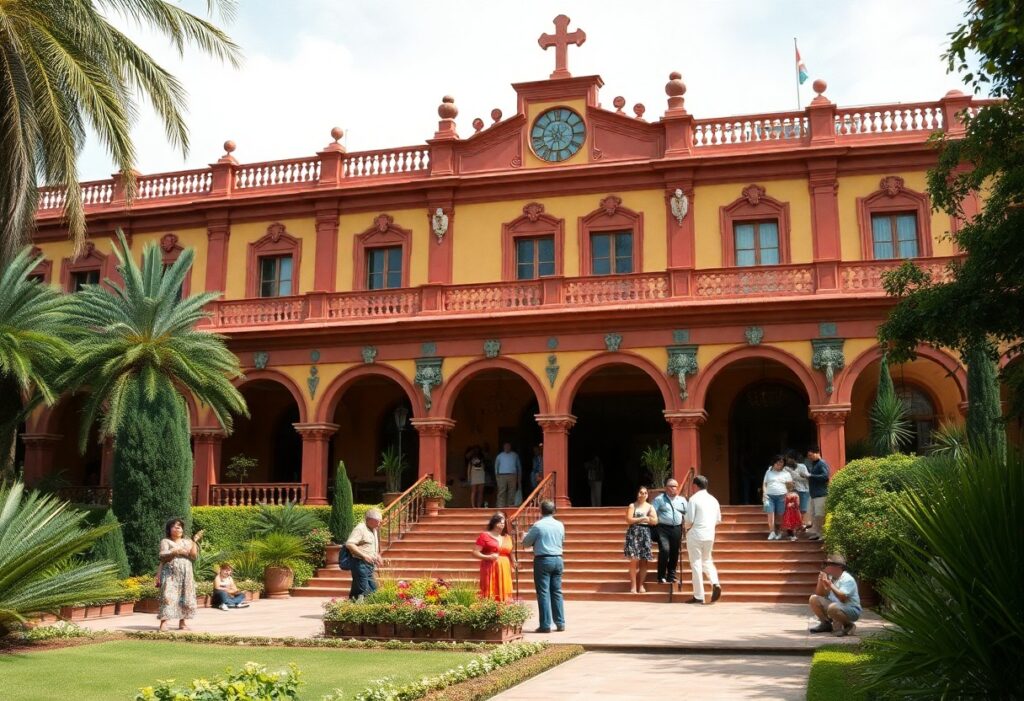
FallingInLoveWithSanMiguelSan Miguel Experiences & Itineraries · fallinginlovewithsanmiguel.comUnesco Sites in San Miguel De Allende sets the context so you can choose with fewer surprises. Prioritize requirements first, then trade-offs; use timing as the final check; before you commit, confirm the terms in writing. Use it to make one clear decision and move forward confidently.
Overview of UNESCO Sites
What Defines a UNESCO Site?
UNESCO sites are recognized for their universal cultural or natural significance because they contribute to the preservation of global heritage. This matters for travelers and heritage enthusiasts who seek to understand and appreciate the world’s cultural narratives.
At FallingInLoveWithSanMiguel, we specialize in San Miguel de Allende Travel Guide in San Miguel de Allende, helping tourists and culture seekers achieve an enriching travel experience. Our guides offer insights into the unique heritage of the region, ensuring visitors connect with the cultural landscape.
This guide monetizes through partnerships with local businesses, offering curated experiences and accommodations that enhance the visitor journey. Additionally, we provide affiliate links to services and tours, ensuring that every traveler finds the best options for their needs.
The scope of this guide covers:
Detailed descriptions of UNESCO sites in San Miguel de Allende
Tips for sustainable travel and local engagement
Historical context and significance of each site
Visitor information and practical travel tips
Community-driven initiatives and preservation efforts
What is the Historical Evolution of UNESCO Sites?
How Have UNESCO Sites Developed Over Time?
The historical evolution of UNESCO sites showcases a journey through shared human achievements. These sites illustrate how collective memory shapes our understanding of history. Each site tells a unique story, often marking pivotal moments that resonate across cultures.
From ancient civilizations to modern developments, the transformation of these sites reinforces their relevance and enduring legacy. This dialogue between past and present fosters a deeper connection to the values these sites represent.
What is the Importance of Site Conservation?
Why is Site Conservation Essential?
Site conservation is vital for safeguarding invaluable heritage for future generations. This ethical responsibility promotes not only cultural preservation but also environmental sustainability. Engaging in conservation efforts reinforces our commitment to protect irreplaceable assets that tell the story of our shared human experience.
The benefits of preservation extend beyond the immediate, ensuring that future generations can explore, learn, and appreciate the richness of global heritage.
What Are the Key Historical Backgrounds of UNESCO Sites?
Which Key Periods Have Influenced Site Development?
Key periods in site development reveal significant influences that shape their formation. Various eras, such as the Renaissance or the Industrial Revolution, have contributed to the richness of our cultural landscapes. Each period leaves an imprint on the sites we recognize today.
Architectural styles, social movements, and technological advancements intertwine to create unique identities. These influences create a tapestry of history that resonates with contemporary audiences, ensuring that the past remains relevant and celebrated.
How Do Cultural Influences Shape Site Identities?
The cultural influences that contribute to site identities are as diverse as the world itself. Elements such as religion, art, and local traditions intertwine to create a rich narrative for each UNESCO site. These inspirations enhance their universal appeal, making them not just local treasures but global landmarks.
The fusion of indigenous practices with colonial histories often results in sites that reflect a complex cultural dialogue. This duality enriches the heritage narrative, inviting visitors to explore the multifaceted nature of our world.
What Are the Evolutionary Practices of Site Management?
Over time, practices related to site management and presentation have evolved to maintain relevance. As society’s values shift, so too must the strategies employed in preserving these sites. Adaptation has become crucial, ensuring that sites not only withstand the test of time but also resonate with contemporary audiences.
Modern practices focus on sustainability, education, and community engagement. This fosters a sense of ownership and responsibility among stakeholders, which is critical for the longevity of heritage sites.
How Are UNESCO Sites Designated?
What Criteria Guide the Designation Process?
The designation of UNESCO sites is guided by a rigorous evaluation process. This ensures that each site possesses outstanding universal value. The criteria encompass cultural significance, historical importance, and natural beauty, creating a robust framework for assessment.
A thorough examination of integrity and authenticity is essential. This allows the UNESCO World Heritage Committee to select sites that exemplify the remarkable achievements of humanity and the natural world.
What Steps Are Involved in Site Recognition?
The steps involved in the recognition of UNESCO sites include procedural aspects that ensure thorough assessments. Initially, a country proposes a site to the UNESCO World Heritage Centre, followed by comprehensive documentation and evaluation by experts.
This process emphasizes the integrity of the site and its adherence to conservation standards. The final decision rests with the World Heritage Committee, which deliberates on the site’s merits based on established guidelines.
What Challenges Are Faced in the Designation Process?
The designation process for UNESCO sites can encounter various obstacles. These include bureaucratic delays, insufficient documentation, and resistance from local communities. Overcoming these challenges requires strategic planning, effective communication, and an emphasis on community involvement.
Engaging stakeholders early in the process fosters a sense of ownership and support, which is vital for a successful outcome. Expert analysis suggests that building capacity within local communities can significantly enhance the chances of designation by aligning their interests with global heritage goals.
What Are Expert Insights on San Miguel de Allende UNESCO Sites?
What Advanced Techniques Are Used for Site Analysis?
Advanced techniques for site analysis involve a combination of traditional and innovative methodologies. Techniques such as Geographic Information Systems (GIS) and archaeological surveys provide actionable insights into a site’s historical context and significance.
Utilizing these tools allows experts to assess site integrity, conduct impact assessments, and create detailed preservation plans. By integrating modern technology with established practices, sites can be managed more effectively.
What Strategies Ensure Effective Management of UNESCO Sites?
Effective management strategies for UNESCO sites must consider diverse factors that ensure sustainability. Real-world examples of best practices include community engagement initiatives, educational outreach programs, and adaptive reuse of historic structures.
These approaches foster a collaborative environment where local communities actively participate in site stewardship. By promoting awareness and appreciation, management strategies create lasting benefits for both the heritage sites and the surrounding communities.
What Are Long-Term Impact Assessments for UNESCO Sites?
Long-term impact assessments provide valuable insights into the enduring effects of UNESCO sites on their communities and environments. By employing detailed evaluations, experts can guide future conservation efforts.
These assessments involve monitoring social, economic, and environmental impacts. This allows for adaptive management strategies that respond to changing circumstances. Providing ongoing evaluations reinforces the commitment to sustainable practices.
What Benefits Do UNESCO Sites Offer?
How Do Sites Enhance Education?
UNESCO sites serve as exceptional educational tools that promote learning through accessible resources and programs. By offering guided tours, workshops, and interactive experiences, these sites foster a deeper understanding of cultural and natural heritage. These UNESCO sites are vital to the local arts & culture scene, enriching the community and attracting visitors.
Educational initiatives often cater to diverse audiences, including students, educators, and tourists. Through active engagement, UNESCO sites become living classrooms that inspire future generations to value and protect their heritage.
What Are the Economic Advantages of UNESCO Sites?
The economic advantages of UNESCO sites extend beyond direct tourism revenue. They stimulate broader prosperity by attracting investments, creating jobs, and enhancing local businesses.
The presence of a UNESCO designation elevates a site’s profile. This increase in foot traffic leads to improved infrastructure and community development, fostering an environment where cultural preservation and economic growth thrive.
What Social Impacts Arise from UNESCO Sites?
UNESCO sites foster community cohesion, illustrating positive changes in societal structures. They serve as focal points for cultural exchange, bringing together diverse groups to celebrate shared heritage.
This communal emphasis on preservation strengthens social ties and encourages collaborative efforts. As communities engage with their UNESCO sites, they cultivate pride and stewardship, ensuring that cultural narratives are preserved.
What Research-Backed Benefits Exist for San Miguel de Allende UNESCO Sites?
What Are Evidence-Based Preservation Methods?
Evidence-based preservation methods are crucial for ensuring the longevity of San Miguel de Allende’s UNESCO sites. These techniques draw from extensive research and best practices to guide effective implementation.
Strategies such as condition assessments, community involvement, and sustainable tourism models help maintain the integrity of these heritage sites. By focusing on actionable steps, preservation efforts can be tailored to address unique challenges.
How Are Health and Well-Being Connected to UNESCO Sites?
Research has established strong connections between UNESCO sites and health and well-being. Visitors often experience relaxation, reduced stress, and enhanced overall well-being through cultural engagement and natural environments.
The act of exploring heritage and nature can uplift spirits and promote mental health, highlighting the intrinsic value of preserving these cultural landmarks.
What Innovations Are Reshaping Site Applications?
Innovation in site applications draws directly from research and technological advancements. Examples include virtual reality tours, interactive exhibits, and mobile applications that provide educational content.
These adaptive technologies make sites accessible to a broader audience while creating new pathways for cultural engagement. By embracing innovation, UNESCO sites can remain relevant and appealing.
Why Are UNESCO Sites Important?
What Role Do Sites Play in Identity Formation?
UNESCO sites play a crucial role in shaping shared identities, underscoring their significance in cultural continuity. They serve as repositories of collective memory, reminding communities of their historical narratives and cultural achievements.
By fostering a sense of belonging and pride, these sites become integral to local identity, reinforcing connections between inhabitants and their heritage.
How Do UNESCO Sites Contribute to Environmental Conservation?
Environmental contributions of UNESCO sites extend beyond cultural preservation. These sites often protect vital ecosystems, biodiversity, and natural resources, highlighting the interconnectedness of cultural and environmental heritage.
By promoting sustainable practices and environmental stewardship, UNESCO sites contribute to global efforts in combating climate change and preserving natural landscapes.
What Ethical Considerations Are Involved in Site Management?
Ethical considerations in the handling of UNESCO sites focus on equitable approaches to preservation and management. Engaging local communities in decision-making processes ensures that their voices are heard.
Ethical stewardship also involves recognizing the rights of indigenous peoples and protecting their cultural heritage. By prioritizing inclusivity and collaboration, preservation can reflect diverse perspectives.
What Are the Economic and Tourism Benefits of UNESCO Sites?
UNESCO sites significantly enhance local economies by drawing tourists, generating jobs, and boosting trade. The influx of visitors stimulates local businesses, encouraging the development of services that benefit both tourists and residents. See also: Attractions.
This economic value reinforces the importance of these sites in heritage conservation and community development, promoting cultural exchange and sustainable practices.
What Are Current Preservation Efforts for UNESCO Sites?
What Modern Tools Are Used for Site Protection?
Modern tools for the protection of UNESCO sites emphasize innovative solutions. Technologies like drone surveillance, 3D modeling, and remote sensing provide precise data for monitoring site conditions and detecting potential threats.
These tools enable proactive management, ensuring preservation efforts are informed by accurate and up-to-date information.
How Does Community Involvement Enhance Preservation Efforts?
Community involvement is crucial in preservation efforts, highlighting collaborative dynamics that foster sustainable stewardship. Engaging local residents in the care and management of UNESCO sites promotes a sense of pride and responsibility.
Community-led initiatives, such as volunteer programs and educational workshops, empower individuals to take an active role in protecting their heritage.
What Are Future-Proofing Strategies for UNESCO Sites?
Future-proofing strategies focus on adaptability, ensuring that UNESCO sites endure evolving challenges. These strategies encompass sustainable practices and contingency planning.
By anticipating potential threats and implementing proactive measures, stakeholders can safeguard the integrity and accessibility of these sites. Future-proofing efforts underscore the importance of resilience in the face of uncertainty.
What Does the Future Hold for UNESCO Sites?
What Emerging Trends Are Influencing Site Development?
Emerging trends in site development anticipate shifts that will significantly influence UNESCO sites. There is a growing focus on integrating technology into visitor experiences, enhancing accessibility, and promoting sustainable tourism practices.
As global awareness of environmental issues rises, UNESCO sites are adopting eco-friendly measures that prioritize conservation while welcoming visitors.
What Potential Challenges Lie Ahead for UNESCO Sites?
Potential challenges ahead for UNESCO sites include climate change, urbanization, and the impacts of mass tourism. Addressing these issues proactively requires collaboration among governments, conservationists, and communities.
Developing adaptive strategies will be essential in mitigating these risks, ensuring the protection of these invaluable heritage resources.
What Sustainable Pathways Are Available for the Future?
Sustainable pathways forward emphasize enduring practices that promote responsible evolution. Embracing adaptive reuse, community engagement, and environmental stewardship enables UNESCO sites to thrive amidst changing conditions.
By prioritizing sustainability in all aspects of site management, stakeholders can ensure that cultural and natural heritage remains accessible and relevant.
FAQs
What is a UNESCO site?
A UNESCO site is a location recognized for its outstanding universal value, encompassing cultural, historical, or natural significance that promotes global awareness and preservation efforts.
How many UNESCO sites are there globally?
As of 2026, there are over 1,100 UNESCO World Heritage Sites around the world, each showcasing unique cultural and natural heritage deemed significant for humanity.
What are the benefits of visiting UNESCO sites?
Visiting UNESCO sites provides educational opportunities, fosters cultural exchange, supports local economies, and promotes a deeper appreciation for global heritage.
How does UNESCO help in site preservation?
UNESCO provides guidelines, funding, and technical assistance to help countries preserve their heritage sites while fostering international cooperation and awareness around cultural significance.
What role do local communities play in UNESCO site management?
Local communities are crucial in managing UNESCO sites, as their involvement fosters a sense of ownership, ensures culturally sensitive practices, and enhances the sustainability of preservation efforts.
What challenges do UNESCO sites face today?
UNESCO sites face challenges such as climate change, urbanization, and mass tourism, which threaten their integrity and require adaptive management strategies.

Sophie Valdez is a passionate author and cultural enthusiast based in San Miguel de Allende. With a keen eye for detail and a love for storytelling, she writes compelling pieces that explore the rich history, vibrant culture, and hidden gems of this enchanting city. Through her engaging narratives, Sophie invites readers to discover the unique charm of San Miguel de Allende, making her work a go-to resource for both visitors and locals alike.