
If you want a restorative meditation retreat in San Miguel de Allende, pick by duration and intensity—then confirm schedule, accommodation, and cancellation terms in writing before you book. Start by checking flights and arrival options to lock dates early.
Which Retreat Type Suits You? (One-Screen Decision Table)
Booking Checklist: Non-Negotiables Before You Pay
- Daily Schedule — get a sample timetable showing waking/meditation, meals, workshops and free time.
- Instructor Credentials — names, training and how many retreats they’ve led.
- Accommodation & Meals — confirm room type, shared vs private, and dietary options.
- Cancellation & Refund Policy — ask for written terms, including illness or travel changes.
- Accessibility & Posture Options — whether chairs are available, movement breaks, and rest options.
- Post-Retreat Support — follow-up sessions, recorded meditations, or local community groups.
Tip: insist on emailed confirmation of the timetable and cancellation terms — verbal promises are common but hard to enforce.
Typical Local Options And What They Cost
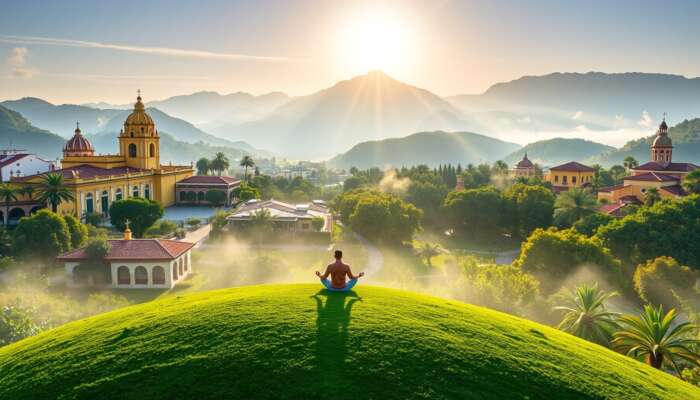
San Miguel’s retreat scene is made of boutique hotel weekends, community-center day programs, and rural immersion weeks. You won’t find mass corporate retreats here; expect small-group formats and Spanish/English bilingual leaders.
- Boutique Wellness Weekend (Hotel-Based) — 2–3 nights, guided sessions, shared meals. Typical price: $350–$800 per person depending on room and inclusions.
- Community Day Retreats (Studio Or Cultural Center) — one-day program with meditation and lunch. Typical price: $40–$90.
- Rural 5 — 7 Day Immersive Retreats — more intensive schedules, often outside the city; typical price: $700–$1,500 depending on lodging and teacher experience.
Where to look: check local spa and hotel listings, and ask retreat organizers for references; our spas and hotels pages list nearby wellness properties and lodging to pair with a retreat stay.
Logistics: When To Go, Getting Here, And Where To Stay
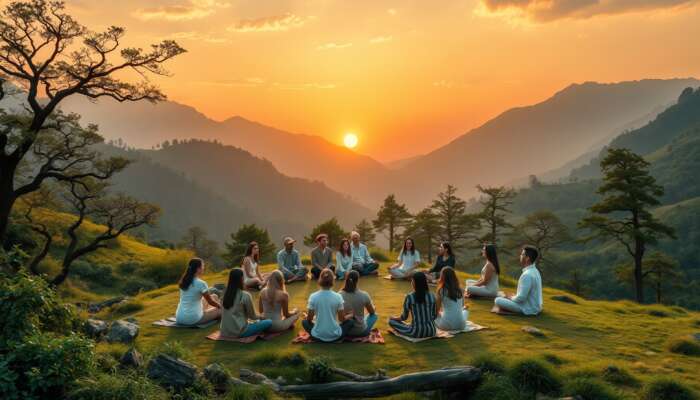
Best months: October–May for dry weather and clear mornings; avoid major festivals unless you want a lively city atmosphere. Book 2–3 months ahead for weekend retreats and 4–6 months for popular week-long programs.
- Getting Here Compare flight options and arrival logistics early — start with our flights guide to plan dates and connections (San Miguel flights).
- Where To Stay Pair a retreat with nearby lodging for easy walking access or book a hotel with shuttle service; see our hotels guide for recommendations (San Miguel hotels).
- Local Transport If you plan day trips or longer retreats outside town, reserve a car or shuttle in advance — our car rental page explains options (car rental).

What To Expect Day-To-Day (Merged Schedule + Techniques)
Most retreats use a predictable rhythm: morning practice, a mid-morning workshop or lecture, restorative lunch, an afternoon period for reflection or movement (yoga/mindful walking), then evening practice or sharing circles. Common techniques include breathwork, guided visualization, body scans and loving-kindness meditation.
- Early Morning — 45–75 minutes of seated practice to set the day.
- Midday — instruction, movement, or silence; lighter meals to support practice.
- Afternoon — personal reflection time and optional one-on-one with instructors.
- Evening — guided relaxation, group sharing or gentle movement.
Post-Retreat Integration & Local Follow-Up
Ask organizers about follow-up: weekly online sits, local meetups, or recordings. If you want to continue in person, San Miguel has studios and spas that offer ongoing classes and restorative sessions—see our spas page to plan recovery or a complementary wellness day (spas & wellness).
First: confirm your chosen retreat’s schedule and cancellation policy in writing. Next: lock flights and lodging—start with our flights page and hotels guide to compare options.
Frequently Asked Questions
- Do I Need Prior Meditation Experience?
No—day and short retreats welcome beginners. Longer silent retreats expect some prior practice; check prerequisites before booking. - What Should I Pack?
Comfortable clothes for layered temperatures, a small travel cushion if you prefer, water bottle, and a journal—see our packing guide for visitor essentials. - How Far In Advance Should I Book?
Book flights and lodging 2–3 months ahead for peak season; for week-long retreats, reserve 4–6 months ahead.
If you want help narrowing options based on available dates and desired intensity, check flights first, then compare short retreats to weekend hotel packages using our hotels and spas listings to find an ideal pairing.

Ellie Thomson is an accomplished author and passionate advocate for the vibrant culture of San Miguel de Allende. Through her engaging writing, she explores a diverse range of topics that reflect the richness of life in this enchanting Mexican city. With a keen eye for detail and a deep appreciation for its history and community, Ellie shares stories that resonate with locals and travelers alike, inviting readers to discover the unique charm of San Miguel de Allende.

It’s fascinating how choosing the right meditation retreat can serve as a transformative experience, not just for our mental well-being, but also for our overall outlook on life. Your breakdown of different retreat lengths really aligns with how personal circumstances can dictate our journey toward mindfulness.
Choosing a meditation retreat truly is a personal journey, and it can be surprising how different lengths of retreat can impact our experience. Some people find that even a short weekend getaway gives them just the right amount of clarity to spark change, while others might need an extended stay to dive deeper into their practice.
Your exploration of meditation retreats in San Miguel de Allende truly resonates with the growing desire many of us have for balance and restoration in our fast-paced lives. The way you’ve laid out a decision checklist is not only practical but invites us to consider mindfulness as an integral part of our travel experiences.
Your insights on selecting a meditation retreat in San Miguel de Allende are incredibly practical and timely, especially given how busy our lives can get. I appreciate the emphasis on using a checklist to minimize the stress of planning, which can often distract from the very purpose of a retreat—restoration and self-discovery.
This is such a thoughtful approach to planning a meditation retreat, especially in a place as serene as San Miguel de Allende. It really resonates with the idea that not every retreat suits everyone—some people thrive in longer, more intense settings while others might just want a taste of the experience.
It’s fascinating to see how structured decision-making can seamlessly blend with something as fluid and personal as choosing a meditation retreat. Your checklist approach is incredibly practical, especially since the variety of options in a beautiful place like San Miguel de Allende can be overwhelming. I remember my first retreat experience—I signed up impulsively without doing much research and ended up in a program that was too intense for my beginner level. The structured planning you suggest would have saved me from that.
This checklist approach is really practical! I recently went on a meditation retreat that was about 5 days, and I found it was just the right amount of time to dive deep without feeling overwhelmed. The balance of a little sightseeing mixed in was perfect for keeping my energy up and my mind open. It’s interesting how duration and intensity can completely change the experience.
I appreciate the insights you’ve shared in your post about planning a meditation retreat in San Miguel de Allende. It’s refreshing to see a structured approach to such a personal journey. The idea of using a checklist to narrow down options resonates with me. I recall when I was looking for a retreat, I felt overwhelmed by the options, so having a clear framework like the one you provided could have made it much easier.
I appreciate the structured approach you’ve laid out for navigating meditation retreats in San Miguel de Allende; it’s a region renowned for its serene ambiance and beautiful landscapes. The emphasis on creating a checklist before booking is incredibly practical, as it encapsulates the importance of preparation in fostering a fulfilling experience, especially in a space that promotes mindfulness and tranquility.