San Miguel de Allende’s churches are both art and living history: dramatic facades, richly painted interiors, and everyday community life that reward even a short visit.
Quick Decision Table: What To See By How Much Time You Have
Architectural Highlights: Styles And Materials
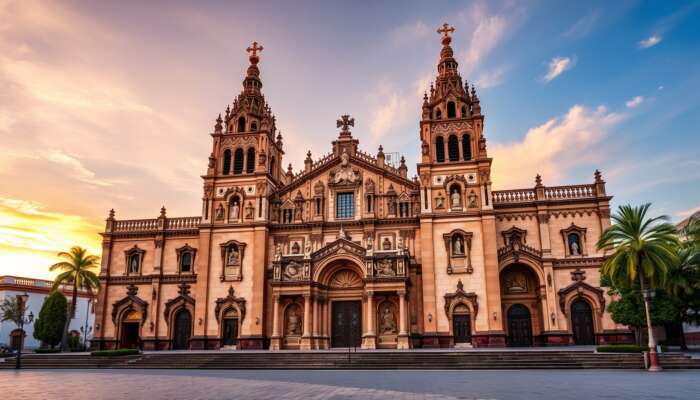
San Miguel’s churches are a mix: Baroque exuberance in carved stone and tile; Neoclassical symmetry with columns and restrained facades; and Gothic references (pointed arches, vertical emphasis) layered through later restorations. Local stone, brick and adobe shape both look and performance—stone for lasting façades, adobe for thermal interiors.
Inside The Churches: What To Look (And Photograph) For
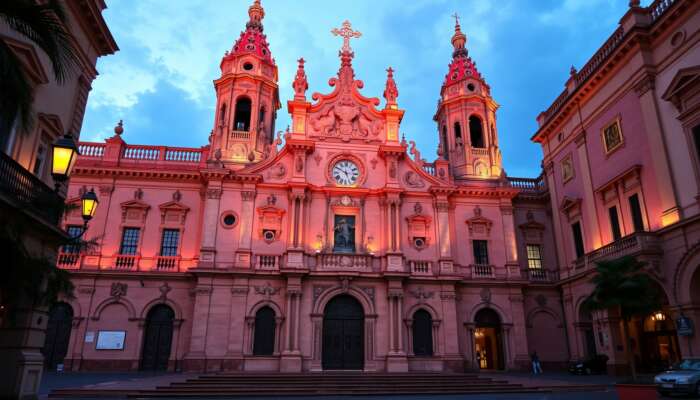
Key Interior Elements
- Altarpieces (retablos) with polychrome woodwork and gilding.
- Ceiling murals and painted vaults—look for local devotional scenes.
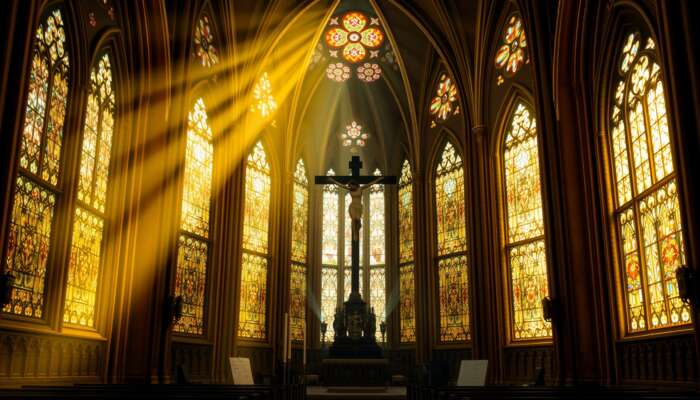
- Stained glass and natural light that animate sculptures at certain hours.
Facade Details And Symbolism
Stone carvings, saints’ niches and bell towers are not decorative only—they communicate local devotion, patronage, and celebration cycles. Noticing motifs (angels, agricultural symbols, native flora) tells you a lot about local identity.
Visitor Planning: Quick Facts And Practical Tips
- Golden hour (late afternoon) lights the Parroquia beautifully.
- Arrive early to avoid tour groups inside smaller chapels.
- Bring a wide lens for interiors; respect “no flash” signs.
Conservation, Construction, And Local Craft
Traditional techniques—carved stonework, painted retablos and local tile—require specialist artisans for repairs. Community and municipal programs keep important sites maintained; when visiting you support that work through donations and respectful use of space.
If your interest is deeper—history, restoration or architecture—see our feature on cathedrals and major churches for longer analyses and recommended reading.
If you prefer an expert-led walk that combines architecture and history, our recommended church tours cover the Parroquia, neighborhood chapels, and El Santuario. Book or compare options at the church tours page.
Short FAQ
How Long Should I Plan For Each Church?
Plan 20–45 minutes at small chapels; 45–90 minutes at major sites (Parroquia, El Santuario) if you include interior photography and reading plaques.
Is Photography Allowed Inside?
Usually yes for personal use; avoid flash near fragile paintings and follow posted rules—some services restrict photography.
Are The Churches Safe To Visit?
Yes—San Miguel is widely visited and churches are central public spaces; for general safety guidance see our safety update.
Want broader trip planning—flights, where to stay, and other activities to combine with church visits? Start with our complete travel guide or check flight options and nearby photo spots to plan a route that matches your time and interests.

Ellie Thomson is an accomplished author and passionate advocate for the vibrant culture of San Miguel de Allende. Through her engaging writing, she explores a diverse range of topics that reflect the richness of life in this enchanting Mexican city. With a keen eye for detail and a deep appreciation for its history and community, Ellie shares stories that resonate with locals and travelers alike, inviting readers to discover the unique charm of San Miguel de Allende.
Your exploration of the architectural significance of the churches in San Miguel de Allende resonates deeply with me, especially as someone who has always appreciated the stories buildings can tell. Each church, with its unique blend of styles, seems to reflect the cultural evolution of the town itself, often serving as a touchpoint for both local and visiting communities throughout history.
I’ve always been captivated by the stories behind San Miguel de Allende’s churches! Each one seems to whisper a piece of history, from the intricate baroque details at Parroquia de San Miguel Arcángel to the more modest but equally charming chapels scattered around town. It’s fascinating how architecture can reflect the cultural blend that’s so unique to this region. I remember my last visit there, walking through the cobblestone streets and stumbling upon a lesser-known church that was almost completely empty—just myself and the soaring arches. It really gave me a moment to reflect.
I completely get what you’re saying about those hidden gems around San Miguel de Allende. It’s incredible how each church tells its own story, often without anyone around to witness it. That feeling of having a space all to yourself can be really powerful, especially with those soaring arches creating such a serene environment.
I’m so glad to hear you share that passion for San Miguel de Allende’s churches! If you’re interested in exploring more about their history and hidden gems, check out this link for some incredible insights and tips for your next visit.
https://fallinginlovewithsanmiguel.com/food-and-drink
Your exploration of the architectural significance of the churches in San Miguel de Allende offers a fascinating lens on how history and culture intertwine through architectural design. The varied styles, from Baroque to Neoclassical, not only reflect the city’s rich colonial past but also speak to the diversity of influences that have shaped it over the centuries. One detail that could be particularly enriching for visitors is the opportunity to engage with local artisans who preserve traditional construction techniques.
You’ve touched on something essential about the churches in San Miguel de Allende—the connection between architecture and the narratives shaped by culture and history. The complexity of its architectural styles is truly a testament to the city’s evolution. Each religious structure carries stories that echo the diverse influences over centuries, and it’s remarkable how Baroque exuberance can cohabitate with Neoclassical restraint under one skyline.
I appreciate your insights on the churches of San Miguel de Allende; they truly are a reflection of the city’s diverse architectural heritage. Every time I visit, I find myself lost in the intricate details and the stories they tell. The Parroquia de San Miguel Arcángel, with its neo-Gothic spires, really stands out and feels like it’s calling you to explore deeper into the city’s history.
I found your insights on the architectural significance of the churches in San Miguel de Allende truly captivating. It’s fascinating how these structures tell such rich, layered stories that reflect the cultural and historical evolution of the region. Each church embodies unique design elements that merge indigenous and colonial influences, which speak volumes about the town’s diverse heritage.
I completely agree with your insights on the architectural significance of the churches in San Miguel de Allende. Each one tells such a unique story, blending influences from different eras and cultures. I remember walking through the historic center and being struck by the vibrant pink of La Parroquia de San Miguel Arcángel. It’s amazing how these structures not only define the skyline but also encapsulate the rich history of the town.
Your insights on the churches of San Miguel de Allende certainly resonate with anyone who has experienced the blend of art and community that characterizes this place. The Parroquia de San Miguel Arcángel, in particular, almost feels like a character in the town’s story—its facade a dramatic statement that draws you into the local narrative.
You’ve totally captured the enchanting essence of San Miguel de Allende’s churches! I remember wandering around the Parroquia de San Miguel Arcángel and feeling like I’d stumbled right into a postcard—seriously, I half-expected to see a few angels taking selfies in front of that fabulous facade!
Your insights on the churches of San Miguel de Allende highlight their dual role as both artistic treasures and vital centers of community life. It’s interesting to consider how these spaces serve not only as historical markers but also as living embodiments of cultural identity. The Parroquia de San Miguel Arcángel, with its striking neo-Gothic facade, really epitomizes this blend.
Your post beautifully captures the essence of San Miguel de Allende’s churches, especially the importance of planning ahead to make the most of such a rich cultural experience. I visited a few years ago and found the Parroquia de San Miguel Arcángel to be mesmerizing, not just for its facade but for the way it draws the community together. It’s fascinating how these churches serve not only as architectural wonders but also as living monuments to the city’s vibrant history and communal spirit.
Your exploration of San Miguel de Allende’s churches encapsulates not just their architectural splendor, but also the vibrant community life that sustains them. I find it particularly interesting how the churches serve as a focal point not only for tourists but also for locals, playing a vital role in everyday life that transcends mere visitation.