
Artisan bread in San Miguel marries traditional techniques with vibrant local ingredients — the result is crusty, flavorful loaves you won’t forget.
For quick, practical choices on where to taste these breads, see our curated list of the town’s best bakeries linked below.
Explore the best bakeries in San Miguel (addresses, hours & short picks)
Quick Picks — Which Artisan Loaf To Try First
- Best Sourdough for tang and texture — ask a bakery for long-ferment loaves.
- Best Pastries & Viennoiserie morning visit; pair with coffee at local cafés.
- Best For Local Flavors look for maize blends or herb-forward focaccias that use regional produce.
- Best For Dietary Needs seek bakeries advertising gluten-free or whole-grain options — check the linked bakery guide.
- Best Vibe choose a bakery with outdoor seating to enjoy bread with a coffee and people-watching.
For names, maps and hours, see the site’s full round-up of best bakeries in San Miguel.
Why Artisan Breads Stand Out
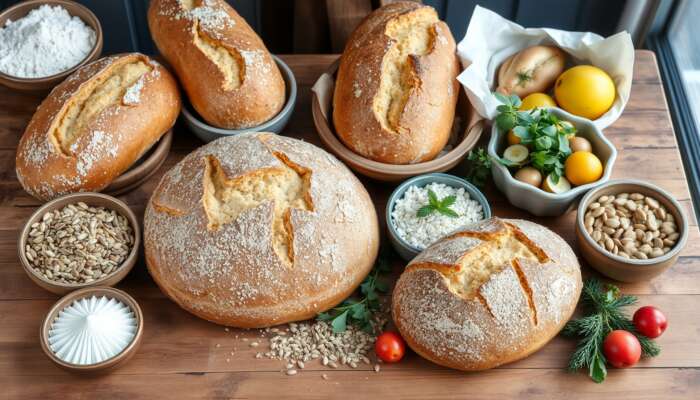
Ingredients First. Artisan baking prioritizes unbleached flours, natural leavens (sourdough starters or long pre-ferments), filtered water and simple salts — that minimalist ingredient list puts flavor front and center and creates contrast between crunchy crust and tender crumb.
Adding whole grains, seeds, local herbs or seasonal fruit brings regional character: each addition shifts texture and aroma and helps bakeries tell a local-food story while supporting nearby producers.
Fermentation: Flavor And Digestibility
Slow fermentation is the artisan hallmark. Natural yeasts and bacteria break down starches and proteins over hours (or overnight), producing lactic acids and organic compounds that create sourdough’s complexity and improve digestibility. Cooler, longer ferments usually yield deeper flavor; warm, short ferments speed things up but offer less nuance.
Technique Matters
Hand-mixing, stretch-and-folds, cold retardation and steam-assisted baking are the routine tools of an artisan baker. These decisions—how long to autolyse, how often to fold, whether to bake on a stone—determine crumb structure, crust thickness and shelf life.
How San Miguel Bakers Put Local Flavor Into Loaves
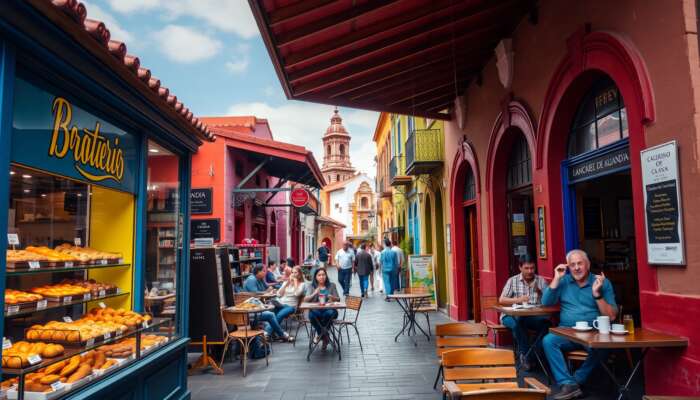
San Miguel’s artisan scene blends international technique with Mexican ingredients: some bakers use local maize blends, others incorporate native herbs, seasonal fruits or Oaxaca-style chiles for unique savory-sweet loaves. Many bakeries also emphasize community sourcing—buying from nearby farmers or milling regional grains.
Common local techniques include overnight preferments for stronger flavor, and open-crumb shaping for ciabatta-style loaves that pair well with regional cheeses and chiles. Visiting bakeries and asking about their starter or mill source is the fastest way to learn what makes each shop different.
Where To Find Practical Bakery Details
Because addresses, hours and specific offerings change frequently, we funnel bakery recommendations and maps to our central list — see the Best Bakeries in San Miguel page for the latest, and pair that with nearby cafés and restaurants using our café guide or our restaurant picks when planning where to eat the bread you buy.
A Simple At-Home Sourdough Starter Formula And Timeline
If you want to replicate artisan results at home, this compact formula and schedule covers the essentials for one medium loaf.
| Ingredient / Step | Measure / Timing |
|---|---|
| Flour | 500 g unbleached bread flour (option: 20% whole grain) |
| Water (hydration) | 350 g (70% hydration) — adjust by feel |
| Salt | 10 g (2% of flour weight) |
| Starter | 100 g active sourdough starter (fed 4–12 hrs earlier) |
| Autolyse + folds | 20–60 min autolyse, then 3–4 stretch-and-folds every 30 min |
| Bulk ferment | 4–6 hrs at room temp or 12–18 hrs in fridge (cool retard for flavor) |
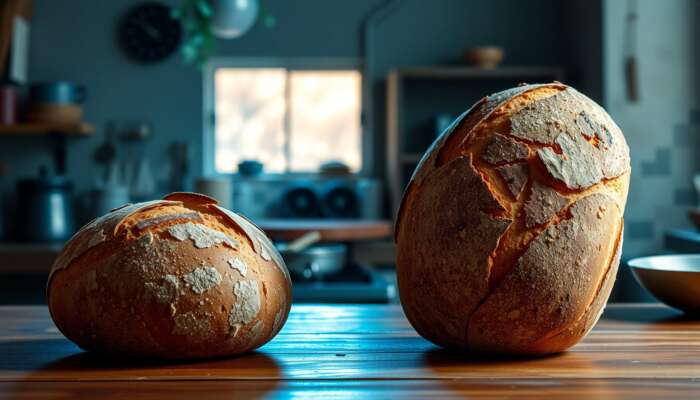
Preheat oven to 450°F (230°C) with a stone or Dutch oven; bake 25–40 minutes depending on loaf size. For more on temperature’s effect on crust and crumb, see the photo below.
Timing: When To Visit And What To Expect
San Miguel is busiest during high season (November–March), when bakeries often sell out earlier in the day. For quieter mornings, visit on weekday mornings; for special markets or festival breads (holiday panadería items), consult local event calendars.
| When | What changes | Booking / tip |
|---|---|---|
| High season (Nov–Mar) | More tourists; early sell-outs for artisan loaves | Arrive early or call ahead; check the monthly weather guide when planning travel. |
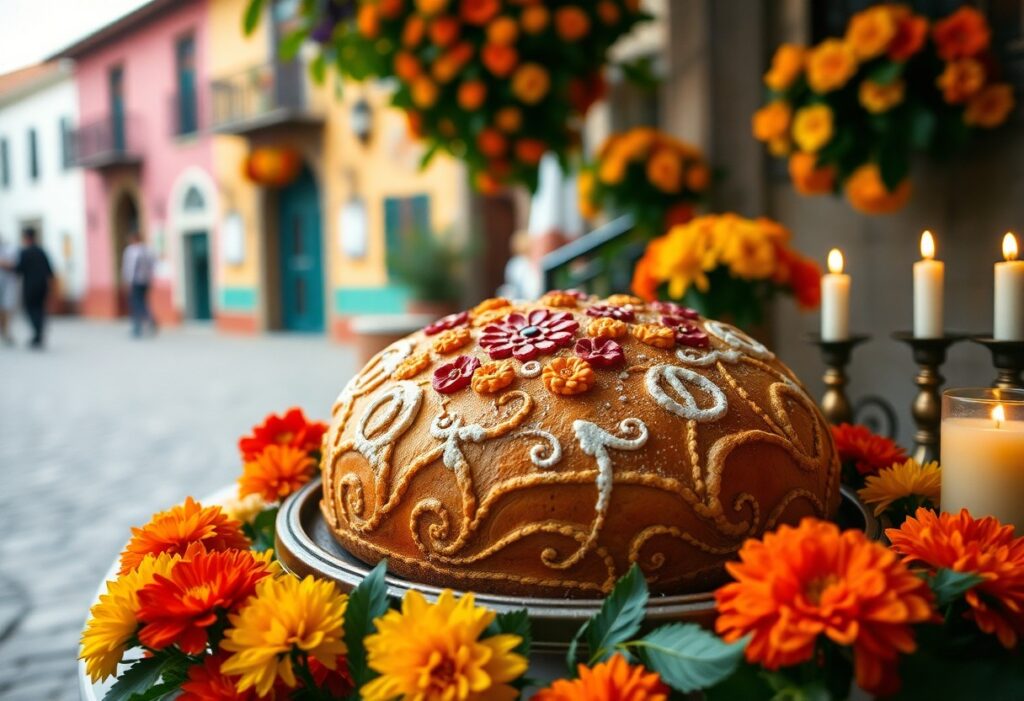
| Festival days (e.g., Día de Muertos) | Special breads like pan de muerto and seasonal pastries | If visiting for events, pair bakery stops with our activities guide to plan timing. |
| Off-peak (May–Sep) | Fewer crowds, easier to explore new bakeries | Mornings are ideal; bakeries may make fewer batches, so still visit by mid-morning. |
Where To Go: Short Local Discovery & Next Step
To keep this post focused on how artisan breads are made and why they matter locally, we centralize the up-to-date bakery listings on our main roundup of best bakeries in San Miguel, which contains maps, addresses and notes about what to try at each shop. Use the café and restaurant pages to plan a full meal around your bakery finds: local cafés often know the day’s freshest loaves and restaurants sometimes source bread from the town’s best artisans.
Plan your bakery route
Start with the best-bakeries list (maps & hours), then add a café stop for coffee and a restaurant later if you want a sit-down meal.
Frequently Asked Questions
What Is San Miguel Bakery Known For?
Local bakeries blend European techniques with Mexican ingredients—expect both classic sourdough and regionally inspired loaves featuring maize, herbs and seasonal fruit.
Where Can I Find Addresses And Hours?
Our curated Best Bakeries page lists current addresses, opening times and short notes for each shop.
Is Artisan Bread Healthier Than Commercial Bread?
Artisan loaves often use simpler ingredients and natural fermentation that can improve digestibility and flavor, but nutritional differences depend on grain choice and portion size.

Sophie Valdez is a passionate author and cultural enthusiast based in San Miguel de Allende. With a keen eye for detail and a love for storytelling, she writes compelling pieces that explore the rich history, vibrant culture, and hidden gems of this enchanting city. Through her engaging narratives, Sophie invites readers to discover the unique charm of San Miguel de Allende, making her work a go-to resource for both visitors and locals alike.
I really love how you’ve highlighted the importance of high-quality ingredients in artisan breads. It’s fascinating how something as simple as flour and water can transform into such a complex flavor experience! I remember visiting a local bakery that sources all its grains from nearby farms. The flavors were incredible—each loaf seemed to tell a story of the land and the community behind it.
Your insights on the uniqueness of artisan breads really resonate with me. It’s fascinating how the choice of ingredients can transform a simple loaf into a true work of art. I’ve noticed that when I choose artisan bread, there’s often a story behind it, particularly regarding the local sources of the grains and seeds. I remember trying a loaf from a nearby bakery that included heirloom wheat varieties. The flavor was unlike anything I had tasted before—rich, complex, and a reflection of the region’s agricultural history.
Your exploration of the unique qualities of artisan breads truly resonates with my own experiences when baking at home. The emphasis on unbleached flour and natural yeast really does transform the outcome, allowing for a complexity in flavor that we often overlook in standard commercial breads.
Your exploration of what makes artisan breads special resonates deeply with me, especially the emphasis on high-quality ingredients. It’s fascinating how the choice of flour and yeast can transform bread from a mere staple into a culinary experience. I remember my first encounter with a true artisan loaf; the contrast between the crusty exterior and the tender crumb was profound, and it made me realize how much mass-produced breads often fall short in flavor and texture.
I completely understand that feeling you experienced with your first artisan loaf. It’s eye-opening how the right combination of flour and yeast can create something so much richer than typical store-bought bread. There’s really an artistry in the process, isn’t there?
Your exploration of artisan bread in San Miguel truly highlights the beautiful marriage between traditional baking techniques and local flavors. I couldn’t agree more with your emphasis on the unique character that vibrant regional ingredients bring to the loaves.
Reading about the artisan bread scene in San Miguel evokes so many delightful memories of my own culinary explorations in various cities. The way the post highlights the marriage of traditional techniques with local ingredients truly resonates with me. It shines a light on how food isn’t just sustenance; it tells the story of a place and its people.
The intersection of traditional baking techniques with vibrant local ingredients truly transforms the experience of artisan bread, particularly in a unique culinary environment like San Miguel. Your highlighting of various aspects, from sourdough’s tangy allure to gluten-free options, resonates deeply with my own experiences in exploring local bakeries. Each loaf tells a story not just of skill and technique, but of the cultural and agricultural elements of the region it comes from.
It’s great to hear your perspective on the connection between traditional baking and local ingredients. In San Miguel, there’s a palpable energy that comes from incorporating the region’s flavors into each loaf.
“I’m glad to hear you resonate with those experiences! If you’re interested in diving deeper into the world of artisan bread and discovering local bakery gems, check out this link for more insights and delicious inspiration.”
https://fallinginlovewithsanmiguel.com/book-flight