San Miguel de Allende is best known as Mexico’s living colonial jewel — a compact UNESCO World Heritage center where architecture, art and annual traditions shape daily life. For practical visits and full itineraries, start with the site’s Ultimate Activity Guide.
San Miguel de Allende is famous for its exceptionally well‑preserved Spanish colonial architecture (centered on the pink Parroquia), a long-standing international arts scene, vibrant festivals such as Day of the Dead, and a historic role in Mexico’s independence — all concentrated within a walkable, photogenic old town.
- Architecture, plazas and colonial charm
- Art studios, galleries and hands‑on workshops
- Rich festival culture and living traditions
If your trip is focused on activities and logistics, use the Complete Travel Guide; if you want museums, history and culture, read on — this page is the cultural hub that supports activity pages.
| When to visit | What you’ll find | Booking window |
|---|---|---|
| Oct–Nov (Day of the Dead season) | Spectacular altars, processions, and a surge of cultural events. | Book 2–4 months ahead for hotels and workshops. |
| Dec–Feb (dry, cooler) | Pleasant walking weather, holiday events; higher rates. | Book 1–3 months ahead at peak properties. |
| Mar–May (shoulder season) | Art fairs, clearer skies; lively café culture. | Book 3–6 weeks ahead for good deals. |
| Jun–Sep (rainy season) | Lower prices, greener surroundings; afternoon showers. | Often bookable last minute; allow flexibility for weather. |
1. The Short Cultural Answer
San Miguel is celebrated because its historic center remains an intact example of highland colonial urban design, concentrated with an unusually active arts ecosystem and recurring festivals that keep traditional crafts, music and public ritual visible year-round. UNESCO protection (2008) recognized the town’s architectural coherence and cultural continuity.
2. History And Unesco Significance
Founded in the mid‑16th century, San Miguel developed as a strategic colonial inland settlement and later became a hub of early independence activity. Ignacio Allende, one of Mexico’s independence leaders, is part of the city’s story and local memory. In 2008 UNESCO cited the historic center for its preserved urban fabric: narrow cobbled streets, plazas, and a consistent palette of materials and forms that create cultural integrity across the town.
That UNESCO designation matters because it ties preservation priorities — from façade conservation to limits on intrusive new construction — to the city’s identity. For travelers interested primarily in monuments and museums, this page focuses on why these elements endure culturally rather than how to book tours; the Complete Travel Guide redirects you to logistics and itineraries.
3. Architecture: The Parroquia And Beyond
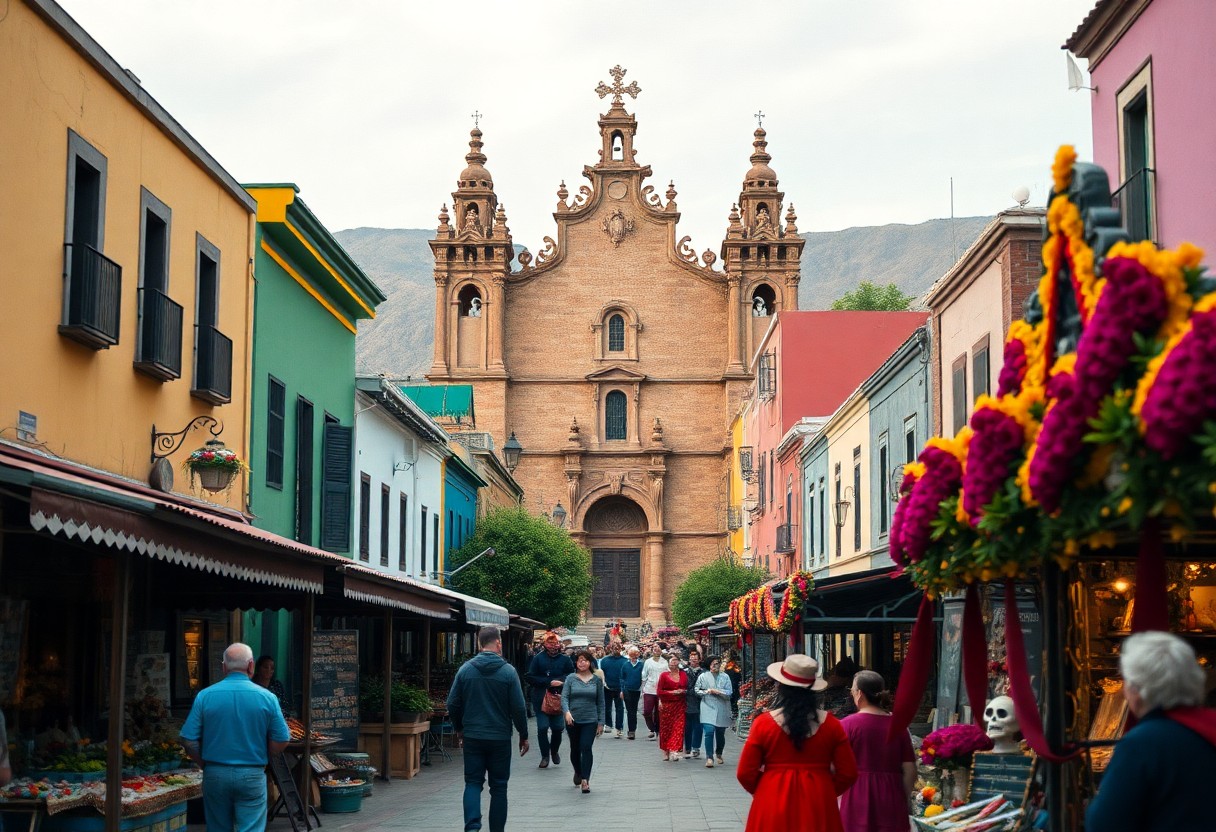
The Parroquia de San Miguel Arcángel — the pink neo‑Gothic church with its sculptural spires — is the visual anchor and a key reason for the city’s fame. Its unusual façade (the work of local craftsman Zeferino Gutiérrez) and dominant silhouette create iconic photographs and a strong sense of place.
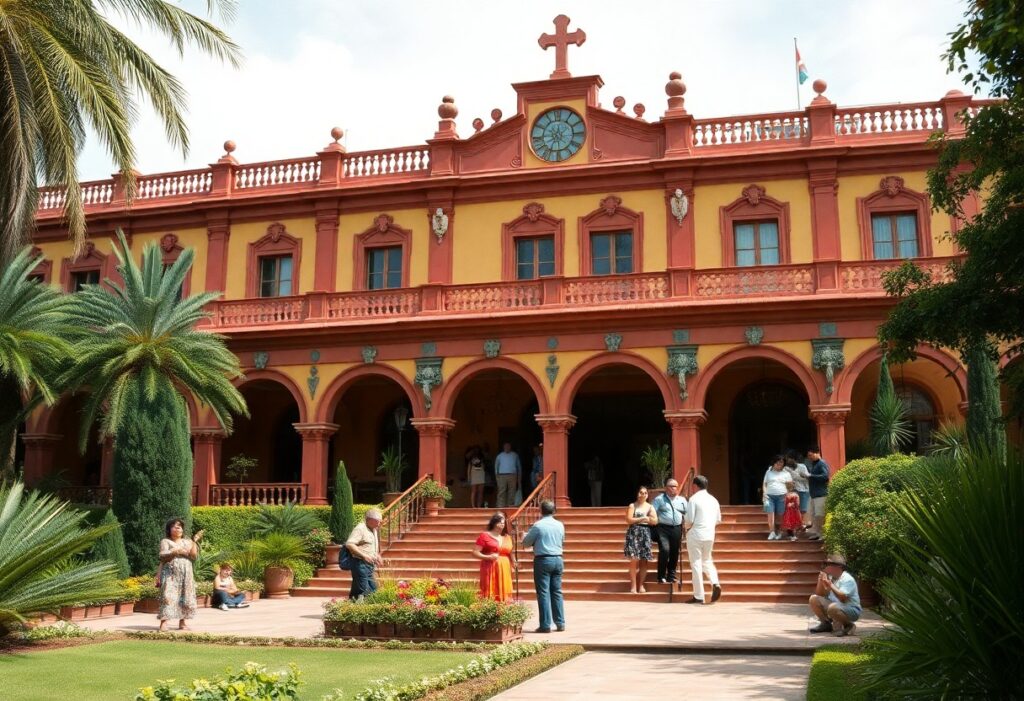
Beyond the Parroquia, San Miguel’s value is in its ensemble: baroque portals, interior courtyards, carved wooden balconies, and layered masonry that reflect centuries of adaptation. For a focused guide to the churches and their art, see the site’s dedicated Cathedral resource at Cathedrals of San Miguel de Allende — Your Ultimate Guide.
4. Why Artists And International Communities Settle Here
San Miguel’s artistic reputation started with early art schools and foreign residents drawn by low living costs and cultural life, then matured into formal institutions and a gallery network. The Instituto Allende and multiple ateliers support year‑round instruction; creative residency programs and crafts traditions keep local techniques in circulation.
The city’s pattern — studios clustered inside converted colonial factories and mansions, regular exhibition openings and an open‑studio culture — makes art accessible to visitors and supports an international community that contributes to galleries, boutiques and craft markets. For hands‑on learning (photography, painting or ceramics), see local workshop listings such as Photography Workshops in San Miguel de Allende and the institute pages referenced across the site.
5. Festivals, Public Ritual And Calendar Highlights
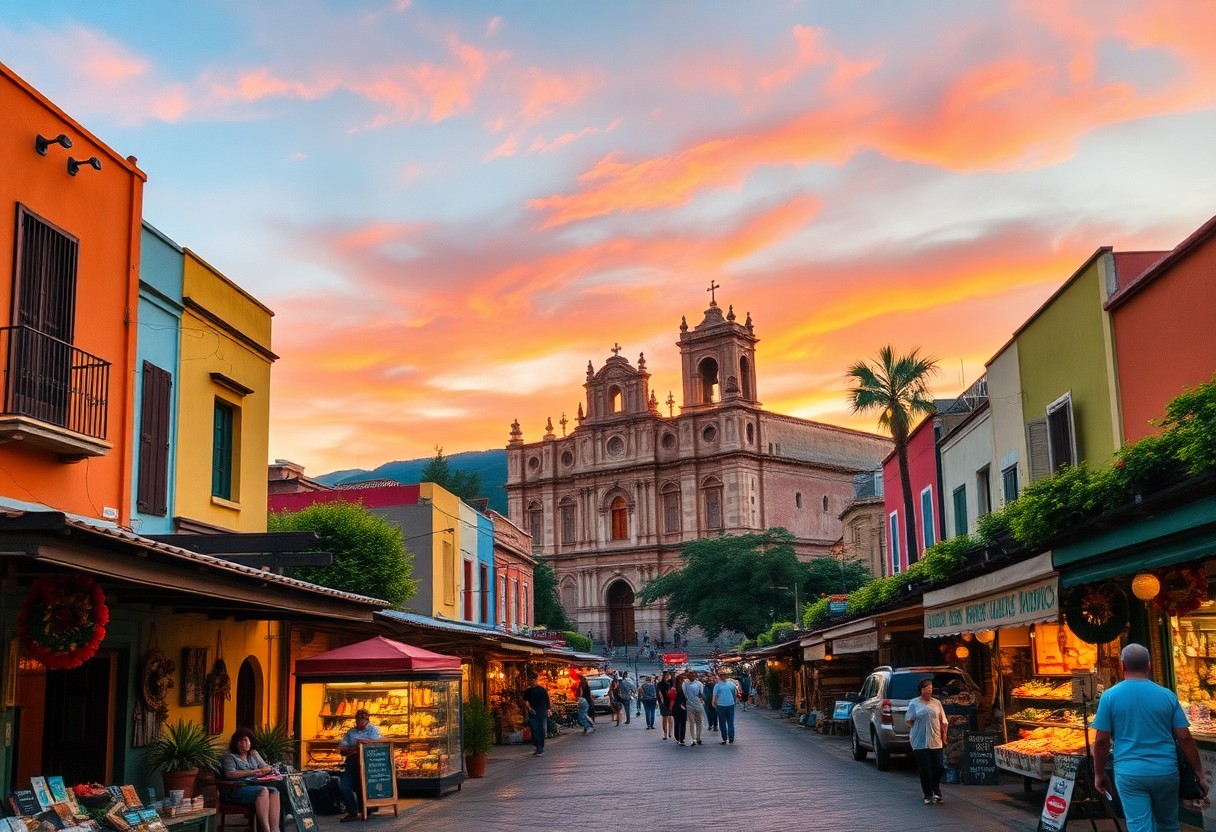
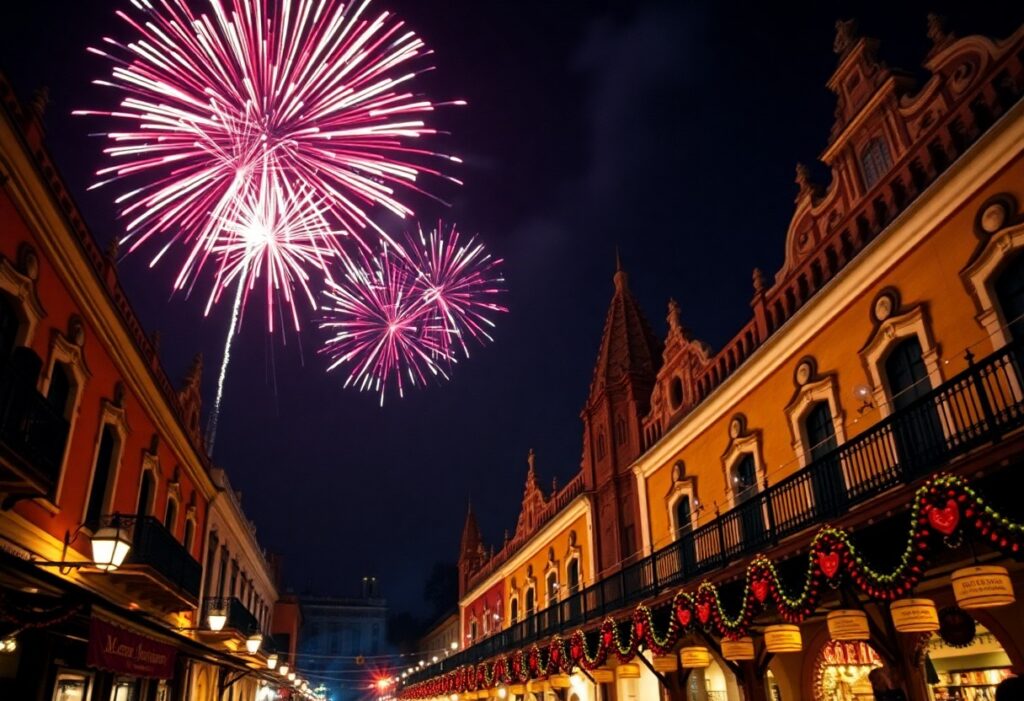
Public festivals are a living mechanism for cultural transmission in San Miguel. Day of the Dead (October–November) is the largest cultural magnet — altars, cemetery vigils and community ofrendas draw domestic and international visitors. Other signature events include the San Miguel International Film Festival and music and opera programming that activate historic venues.
If your visit must match a festival, plan earlier: hotels and special programming book fast. See the site’s events hub for current festival schedules at San Miguel de Allende — Events.
How Festivals Shape The Visitor Experience
- Public plazas become stages: expect processions, altar displays and pop‑up artisan markets.
- Local participation remains strong — many events are community rituals, not just tourist shows.
- Some festivals close streets and change public transport patterns; allow extra time for movement.
6. Markets, Crafts And Culinary Culture
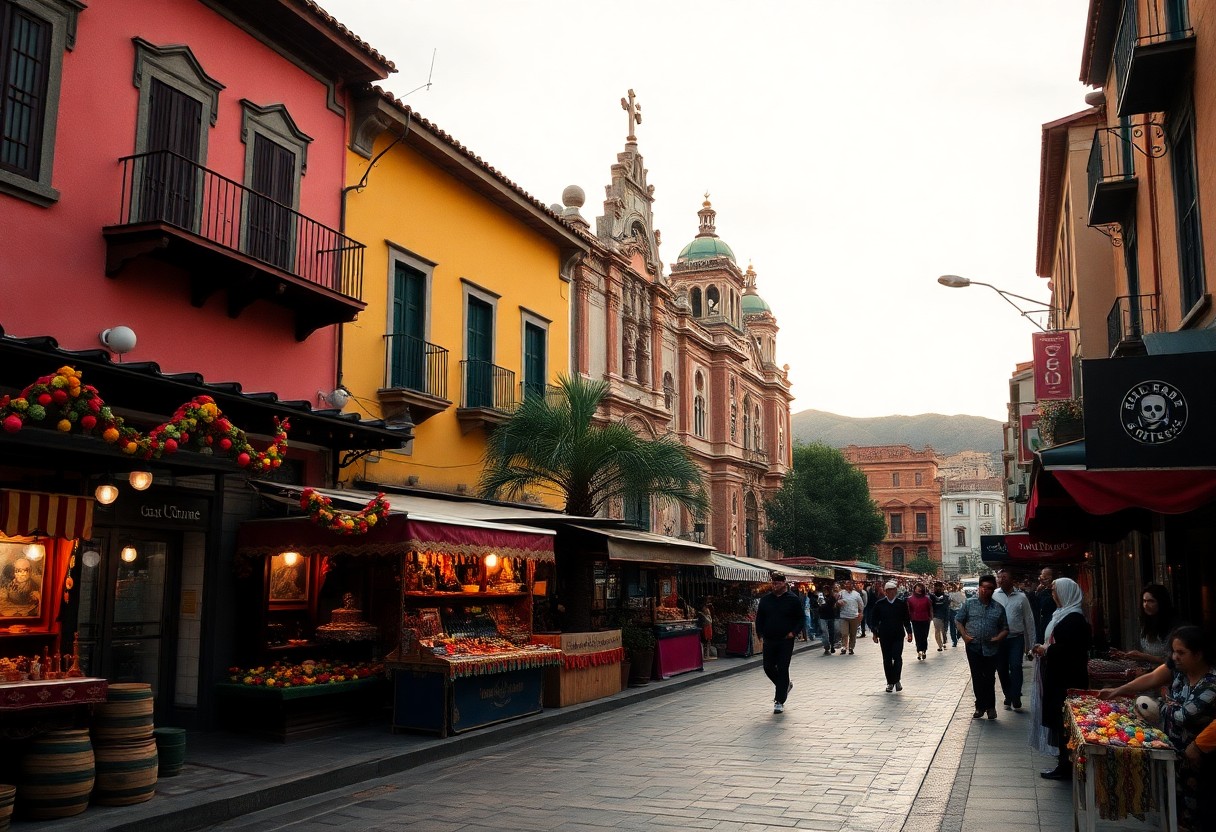
San Miguel’s artisan markets and boutiques are a major cultural resource: hand‑woven textiles, ceramics, silverwork and contemporary craft find a market here. These marketplaces are where traditional techniques meet new design sensibilities — valuable both as souvenirs and as evidence of living craft traditions.
The food scene pairs regional specialties with international influences; rooftop restaurants, cafes and street stalls coexist. For focused dining recommendations, use the site’s curated restaurant list at Top Dining Picks.
7. Education, Workshops And Cultural Learning
San Miguel’s learning ecosystem — language schools, Instituto Allende programs, and artisan workshops — attracts long‑stay students and short‑term learners alike. If your reason to visit is study or creative development, prioritize multi‑day workshops and verify calendar dates well in advance; many popular programs have seasonal intakes.
Local community initiatives also run public lectures, craft demonstrations and conservation projects; these are often announced on the site’s cultural calendar and in local newsletters.
8. Getting There And Practical Access Tips
San Miguel’s small size makes it pedestrian friendly in the Centro, but travel into the region requires planning. The closest major airport is Querétaro (QRO), about 75 minutes by road. For options from Mexico City and other hubs see Flights & transport and the Complete Travel Guide for routes and transfer suggestions.
Local movement: much of the town is cobblestone and narrow — wear comfortable shoes. Taxis, shuttles and occasional rideshare options cover short trips beyond Centro; guided walking tours are often the most efficient way to blend history with on‑street context (see the activities hub linked below).
9. How This Page Fits With Other Guides On The Site
This article is deliberately a cultural and historical hub: it explains why the place matters. For hands‑on planning (daily itineraries, time‑sensitive bookings, activity suppliers) the site’s activity and travel pages are the authoritative operational resources:
- Ultimate Activity Guide — detailed things to do, tours and booking notes.
- Complete Travel Guide — logistics, transfers, and where to stay.
- Cathedrals guide — deep dive on religious architecture and tours.
When you’re ready to move from context to action — tours, ticketed museum visits, or guided day trips — use the Ultimate Activity Guide, which collects providers, sample itineraries and practical booking tips.
10. Preservation And Visitor Responsibilities
San Miguel’s cultural value depends on local conservation and respectful tourism. Simple practices help: avoid climbing historic façades, follow photography rules in churches and private collections, buy from registered artisan stalls when possible, and support cultural institutions through tickets and donations.
Frequently Asked Questions
Why Is San Miguel De Allende A Unesco World Heritage Site?
UNESCO recognized San Miguel’s historic center for its exceptional preservation of the colonial-era urban layout, coherent architectural style and continuity of traditional uses in the public realm — plazas, churches and civic spaces that still anchor community life.
When Is Day Of The Dead In San Miguel And What Should Visitors Expect?
Day of the Dead events build across October into early November; the main displays and cemetery vigils are concentrated in the last week of October and November 1–2. Expect elaborate altars, processions and cultural programming; book hotels and any workshop or guided cemetery visits 2–4 months in advance if you want reserved seats or curated experiences.
Are The Art Schools Open To Short‑term Visitors?
Yes — many institutes and private studios offer week‑long or weekend workshops in painting, ceramics, photography and printmaking. Check schedules and registration deadlines on institution pages or the site’s workshop listings; peak workshop periods fill early (spring and autumn).
How Does San Miguel Compare To Guanajuato Or Oaxaca For Culture?
Each city emphasizes different traditions: San Miguel is compact, internationally oriented and strongly art‑school driven with a preserved colonial core; Guanajuato is denser with theatrical festivals and mining heritage; Oaxaca offers deep indigenous craft and gastronomy traditions. Use comparative posts on the site to plan multi‑city trips.
Explore more on this site:
- Your Ultimate Guide to Activities — curated day trips and providers.
- Complete Travel Guide — where to stay and how to get around.
- Cathedrals guide — detailed church tours and visitor notes.
Last updated: factual and editorial content consolidated from the site’s cultural resources to act as a focused cultural hub supporting the activity and itinerary guides.

Sophie Valdez is a passionate author and cultural enthusiast based in San Miguel de Allende. With a keen eye for detail and a love for storytelling, she writes compelling pieces that explore the rich history, vibrant culture, and hidden gems of this enchanting city. Through her engaging narratives, Sophie invites readers to discover the unique charm of San Miguel de Allende, making her work a go-to resource for both visitors and locals alike.
San Miguel de Allende truly has a unique ability to weave together the past and present, doesn’t it? I remember wandering through its enchanting streets and feeling a palpable connection to the stories that echo from its colonial architecture. The way art flourishes there, from vibrant murals to small galleries showcasing local talent, is a testament to the city’s creative spirit.
San Miguel de Allende truly feels like stepping into a living canvas! During my visit last year, I was particularly struck by the way the city’s artistic vibe intersects with its rich history. The vibrant murals reflecting local legends and cultural narratives really brought the streets to life for me. It’s fascinating how places like San Miguel serve as a nexus for both tourists and local artists—creating this dynamic exchange of ideas and inspiration. Have you had a favorite art piece or gallery that left a lasting impression during your explorations? It would be interesting to hear more about the emerging artists capturing the essence of this beautiful town!
I completely resonate with your experience in San Miguel de Allende. It’s such a unique blend of artistry and history that really draws you in. The way the murals tell local stories is a beautiful way to connect not just with the culture, but also with the people who call the city home.
San Miguel de Allende truly embodies the spirit of creativity and resilience that is so prevalent in Mexico. I recall my visit to the vibrant art galleries, where I was not only inspired by the works displayed but also by the stories of local artists forging their paths. It’s fascinating how the town’s rich history interweaves with modern artistic expressions, creating a dynamic dialogue between the past and the present.
I completely relate to your experience in San Miguel de Allende. The way the galleries pulse with life from both local artists and their stories is truly moving. It’s inspiring to see how those narratives shape the art itself, blending the town’s colonial legacy with contemporary visions.
“¡Qué hermoso recordar esas vivencias! Si te gustaría explorar más sobre la magia creativa de San Miguel de Allende, te invito a descubrir lo que esta encantadora ciudad tiene para ofrecer.”
https://fallinginlovewithsanmiguel.com/transport
Es genial escuchar que compartes esa conexión con San Miguel de Allende. La energía de las galerías y la historia detrás de cada obra realmente crean un ambiente único. Una de las cosas que más me encanta es cómo cada artista tiene su perspectiva y su voz, lo cual refleja la diversidad y la inspiración que la ciudad ofrece.
“¡Claro! Te invito a sumergirte en la magia creativa de San Miguel de Allende y descubrir más sobre todo lo que esta maravillosa ciudad tiene para ofrecer aquí: [enlace].”
https://fallinginlovewithsanmiguel.com/photo-spots-in-san-miguel-de-allende-amazing-locations-to-capture
I’ve always found San Miguel de Allende to be such a fascinating intersection of history, art, and culture. Your description beautifully encapsulates the city’s unique charm and allure. I remember my first visit; wandering through its cobblestone streets felt like stepping back in time, with the vibrant colors and Spanish colonial architecture whispering stories of the past. The artistic community there is indeed thriving, and it was inspiring to see how many local artists reinterpret their heritage through contemporary art forms.
San Miguel de Allende truly is a gem of Mexico, blending history and artistry in a way that’s both inspiring and invigorating. I remember wandering its cobblestone streets, each turn revealing another captivating mural or artisan shop—there’s such a palpable energy in the air! It’s fascinating how the city not only attracts established artists but also serves as a nurturing ground for emerging creatives, fostering a vibrant community that draws influence from both its rich colonial past and modern ideas.
San Miguel de Allende truly embodies the essence of Mexico’s colonial charm and artistic spirit, and your discussion highlights what makes this city so exceptional. As someone who has visited several colonial cities in Mexico, I find San Miguel de Allende to stand out not just for its architectural beauty but for the palpable sense of community among its artists and locals.
San Miguel de Allende indeed captures a unique intersection of art and history that deeply resonates with many travelers. During my visit, I was struck not just by the architectural beauty but also by the palpable sense of community among artists and locals—there’s an unmistakable spirit of collaboration that fuels the creative energy. I found it interesting how this city, despite its popularity, maintains a sense of authenticity that isn’t always easy to find in tourist destinations.