San Miguel de Allende uses Central Time (UTC-6), the Mexican peso (MXN) is primary, and U.S. visitors should have a passport valid for at least six months. The TL;DR below lists the few things to set before you go and the quick actions to take on arrival.
- Time Central Time (UTC-6). Set devices before arrival; small DST changes typically in early April and late October — verify seasonally.
- Money Mexican Peso (MXN); cash is common—carry small bills and use bank ATMs for safe withdrawals.
- Passport & Entry Passport recommended with at least six months’ validity; tourist permits issued on arrival for most visitors.
- Health & Safety Pack basic meds, consider travel insurance, and save local emergency numbers in your phone.
Which Quick Actions You Need (Day Trip → Move)
| Visitor type | Immediate must-dos |
|---|---|
| Day-tripper / overnight | Set phone to UTC-6, bring cash for markets, keep passport copy; plan walking route in centro. |
| 1–7 day visitor | Withdraw small MXN at bank ATM, confirm transport from airport, pack layers for cool evenings. |
| Long stay / moving | Ensure passport validity 6+ months, arrange health insurance, research bank options and long-term housing. |
| Budget travelers | Use cash for markets, read our budget tips, and book shuttles early. |
When To Go — Timing And Booking Windows
| Window | Weather & crowd note | Booking advice |
|---|---|---|
| Oct–Apr (best weather) | Mild, dry; peak season Nov–Mar. | Book hotels 6–10 weeks ahead in peak months; tours earlier for festivals. |
| May–Sep (rainy season) | Afternoon showers, fewer crowds, lower rates. | Good value—book 2–4 weeks ahead for best deals. |
| Festival dates | Events (e.g., cultural festivals) draw heavy demand. | Reserve 3+ months ahead for accommodations and key experiences. |
For detailed guidance on longer moves, timing, and seasonal considerations see our planning piece: Best time to move to San Miguel de Allende.
Time Zone & Daylight Saving
San Miguel de Allende follows Central Standard Time (UTC-6). Mexico sometimes observes Daylight Saving Time; in practice most interior states switch in early April and late October. Because DST rules can change, double-check dates before travel and set phones to UTC-6 on arrival.
Money, Cards & Atms
The Mexican Peso (MXN) is the local currency. Cash remains common at markets, small restaurants, and taxis; larger hotels and many restaurants accept cards.
- Use bank-affiliated ATMs (inside banks or malls) for safer withdrawals and better rates.
- Avoid changing large sums at airport kiosks—banks and official casas de cambio usually have fairer rates.
- Notify your bank before travel and carry a backup card; choose cards with no foreign-transaction fee if possible.
Passport, Visas & Entry
Most foreign visitors enter Mexico with a passport and receive a tourist permit on arrival allowing up to 180 days. As a rule, keep your passport valid for at least six months from your travel dates and carry a photocopy or digital scan in a secure place.
Getting Around & Transportation
San Miguel’s centro is compact and best explored on foot—cobblestones and narrow streets make walking the most pleasant option. Taxis are inexpensive for short trips; shared shuttles and private transfers connect the city with nearby airports and towns.
For routes, connections, and shuttle options, see the broader travel guide: San Miguel de Allende: your complete travel guide.
Packing & Quick Checklist
Pack for layers, comfortable walking shoes, sun protection, and a small day bag for water and valuables. For a full day-by-day capsule list, visit our packing guide linked below.
- Passport copy, bank cards, small MXN notes
- Light layers + warm jacket for evenings
- Comfortable shoes for uneven cobbles
- Basic meds, travel-size first-aid, and any prescriptions
- Portable charger, plug adapter, and a secure day bag
Health, Emergency Contacts & Safety Basics
Carry travel insurance that covers medical care; Hospital General and Hospital de la Comunidad serve visitors, and many clinics have English-speaking staff. Standard emergency numbers: Police/Fire/Medical — 911; Red Cross — 065. Save the local tourist police contact and your consulate details before travel.
For more on safety and practical precautions, read our in-depth safety guide: San Miguel de Allende — safety & tips.
Our timing and move-planning guide covers when to relocate, visa timelines, and where to settle in town.
Frequently Asked Questions
What Should I Pack For San Miguel De Allende?
Pack layers for warm days and cool nights, comfortable walking shoes for cobblestones, sun protection, a compact first-aid kit, and copies of travel documents.
What Not To Bring?
Avoid carrying large sums of cash; leave unnecessary valuables at home and skip bulky formalwear unless attending a specific event.
How Do I Prepare My Stomach For Mexico?
Stay hydrated, eat at reputable places, use bottled or filtered water if recommended, and bring over-the-counter remedies for mild stomach upsets; travel insurance can help for more serious issues.
More to explore: Complete travel guide • Budget tips.

Ellie Thomson is an accomplished author and passionate advocate for the vibrant culture of San Miguel de Allende. Through her engaging writing, she explores a diverse range of topics that reflect the richness of life in this enchanting Mexican city. With a keen eye for detail and a deep appreciation for its history and community, Ellie shares stories that resonate with locals and travelers alike, inviting readers to discover the unique charm of San Miguel de Allende.
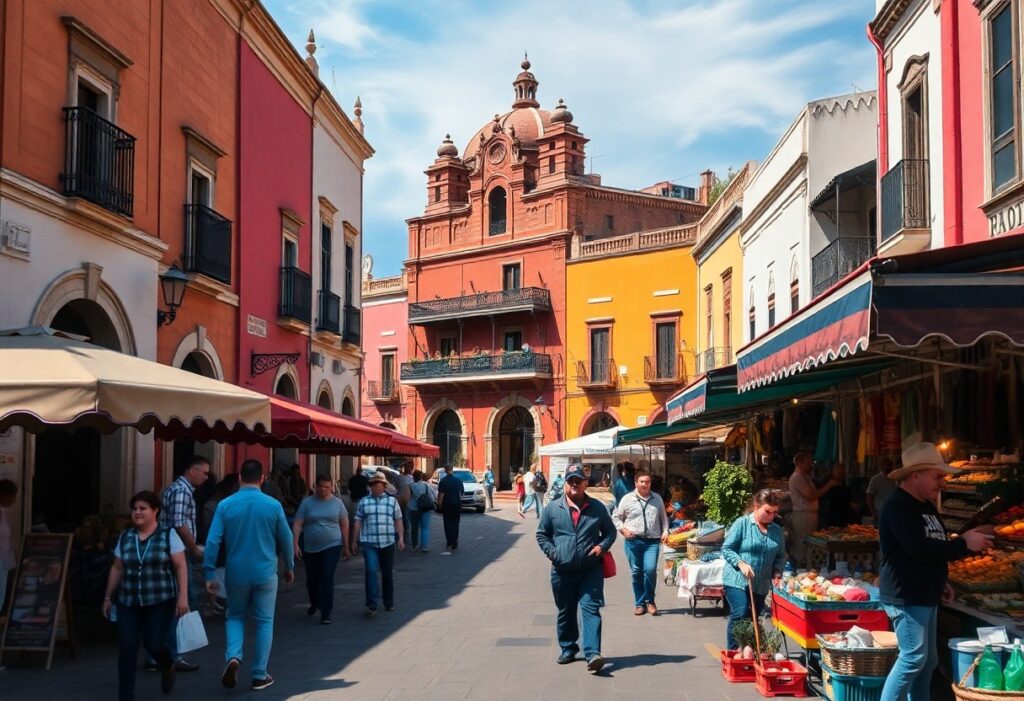
Your insights on navigating San Miguel de Allende are spot on! I remember my first visit to this picturesque city and how important it was to embrace local customs, especially when it comes to currency. I made the mistake of relying too heavily on credit cards at first and quickly learned that many smaller shops preferred cash. It’s such a charming place to explore on foot, and having pesos on hand made interactions with local vendors and artisans even more enjoyable.
It’s great to hear that your first experience in San Miguel de Allende came with those valuable lessons. The cash tip is a game changer! I found that having pesos not only simplifies transactions but also opens up more opportunities to connect with the locals. They really appreciate the effort and sometimes even offer a little bonus, like a discount or a local tip for hidden gems.
I completely relate to your experience with cash in San Miguel de Allende. It’s interesting how a place’s charm often ties back to its customs and day-to-day life. Unlike many touristy spots where credit cards are the norm, the local economy really thrives on cash transactions. I remember strolling through the markets and feeling a deeper connection to the vendors when I could hand over pesos directly.
Your experience resonates with many who visit San Miguel de Allende for the first time. The charm of navigating its cobblestone streets is best appreciated with a bit of preparation, especially when it comes to finances. Relying on credit cards can indeed create a disconnect from the vibrant local culture. Carrying pesos not only eases transactions but also opens up opportunities for more authentic interactions.
It’s great to hear you enjoyed your time in San Miguel de Allende. It really is a special place, isn’t it? I remember my first visit as well, and I had a similar experience with cash. The local markets have such a vibrant atmosphere, and being able to haggle a little in pesos definitely added to the experience.
I’m glad you resonate with the charm of San Miguel de Allende! It really does capture a unique energy. The markets are a feast for the senses, aren’t they? I found that haggling can feel like a dance; it’s all about connecting with the vendors. Each interaction reveals a story, whether it’s about their craft or just a shared laugh over a price. Did you stumble upon any hidden gems there, maybe a favorite stall or artisan? I’d love to hear about your finds.
Navigating the logistics of a trip can definitely make or break the experience! I remember my visit to San Miguel de Allende last year—such a beautiful place steeped in history! The Central Time Zone can be a bit confusing for some, especially if you’re traveling from a far-off location, but it’s nice knowing that it aligns with major cities like Mexico City and Guadalajara.
Navigating logistics can indeed set the tone for a trip, and it sounds like your time in San Miguel de Allende was special. I’ve heard so many good things about that place—its vibrant art scene and charming streets draw a lot of travelers in. The history really adds depth to the experience.
Navigating the logistics does play a big role in shaping the experience, doesn’t it? San Miguel de Allende really does offer a unique vibe, especially with its rich history that feels alive in every corner. The blend of colonial architecture and contemporary art makes wandering the streets feel almost like stepping into a living gallery.
You captured the essence of San Miguel beautifully. The vibrancy of the art scene really does feel alive, almost as if the city itself is a canvas being painted anew every day. Walking through those winding streets, you get a real sense of the history and culture that has shaped the community.
“I’m glad you share my enthusiasm for San Miguel de Allende! If you’re curious to explore more about this enchanting destination and its hidden gems, check out this guide.”
https://fallinginlovewithsanmiguel.com/book-hotel
I completely agree; the logistics of a trip can often make or break the experience. In San Miguel de Allende, the charming streets really do invite you to slow down and soak it all in, which is a nice counterpoint to the fast-paced life we often lead. The art scene is especially captivating—there’s so much local talent showcasing everything from traditional folk art to contemporary pieces.
If you’re curious about how San Miguel de Allende stacks up against Oaxaca, I came across an insightful guide that breaks down the charm and character of each place, which might help in planning your next adventure.
‘San Miguel De Allende Vs Oaxaca — Which Should You Visit? Quick Side‑by‑Side Guide’
https://fallinginlovewithsanmiguel.com/san-miguel-de-allende-vs-oaxaca-comparison/.
San Miguel de Allende has such a rich cultural tapestry that it’s no wonder travelers are drawn to its charm. I’ve visited a couple of times, and each experience feels like peeling back the layers of history and art that the city offers. One thing I found particularly helpful was connecting with locals who often shared insider tips on the best places to eat or lesser-known art galleries.
Your insights about navigating San Miguel de Allende are crucial for anyone considering a trip to this beautiful destination. The reminder about the local currency being Mexican pesos is particularly pertinent, as I think many travelers often underestimate just how much of a difference it can make to be prepared in this regard. Having cash on hand not only eases transactions at local markets or smaller eateries but also helps in connecting with the community in a more genuine way. I remember during my last visit to a small taco stand, the experience of handing over cash felt much more personal than swiping a card would have.
Navigating the practical aspects of travel can often overshadow the adventure itself, yet as you highlighted, being well-prepared for a destination like San Miguel de Allende can significantly enhance the experience. It’s fascinating how the charm of this colonial city extends beyond its beautiful architecture and vibrant arts scene to thoughtful considerations that impact our journey.
You’re spot on about how the practical elements of travel can sometimes feel like they take center stage. In a place like San Miguel de Allende, preparation allows us to dive deeper into its essence—like understanding the local traditions or trying out an off-the-beaten-path restaurant that’s not in the guidebooks. Those thoughtful considerations turn a good trip into a transformative experience.
You really captured the essence of what travel should be. It’s interesting how the logistics can often overshadow the real experience. I think the way we prepare — seeking out local traditions or hidden gems — really sets the tone for our whole journey. In San Miguel de Allende, I found that just wandering the streets and engaging with locals at a small café can lead to some of the best moments.
Navigating the travel logistics for a destination like San Miguel de Allende can indeed feel a bit daunting, especially for first-time visitors. I appreciate the emphasis on key factors like time zone, currency, and travel documents. These details might seem mundane on the surface, but they lay the groundwork for a seamless travel experience, allowing us to immerse ourselves fully in all the beauty and culture that San Miguel has to offer.
It’s interesting that you mention the importance of having Mexican pesos on hand. This really highlights a broader trend in travel where local currency often trumps credit cards, especially in regions where small businesses flourish. I remember visiting a smaller Mexican town where even the restaurants preferred cash, which made me reflect on the varying degrees of financial inclusivity in different travel destinations. It’s a reminder to travelers that while modern conveniences are expanding, there’s still a strong cultural reliance on cash in many places, which can enhance the local experience.
You’ve touched on a key aspect of travel that often gets overshadowed by the convenience of digital payments. Having local currency can lead to some genuine interactions with shop owners and locals in smaller towns, who might feel more comfortable with cash. I’ve noticed that paying with pesos can spark conversations about the region, food, or even local tips that you wouldn’t stumble upon otherwise.
“You’re absolutely right! To make the most of your local experiences, consider checking out this resource for tips on managing cash while traveling.”
https://fallinginlovewithsanmiguel.com/food-and-drink
You’ve hit the nail on the head! There’s something about handing over a few crumpled bills that opens up a whole new world of possibilities while traveling. I remember being in a small market where I awkwardly fumbled with my credit card, only to be met with a puzzled look from the vendor. But when I finally pulled out some pesos, a genuine grin spread across their face, and suddenly we were swapping stories over local delicacies—I learned about the best street tacos in town and even got the lowdown on where to find the hidden waterfalls nearby.
“Absolutely! If you’re looking for great tips on navigating cash in your travels, check out this helpful resource!”
https://fallinginlovewithsanmiguel.com/food-and-drink
You’ve brought up something really important about the way we connect with the places we visit. When you’re navigating a new country, the energy shifts when cash enters the scene. There’s a certain authenticity to handing over a bill, seeing the seller’s smile, and perhaps exchanging a few words about the product or the area. Those little bits of human interaction can make a lasting impression, creating a richer travel experience. It’s like your wallet becomes a bridge to personal stories and regional culture.